January 2009 in “ScholarlyCommons (University of Pennsylvania)” The P133R mutation in AKR1D1 enzyme causes harmful bile acid buildup, explaining related health issues.
 10 citations
,
November 2017 in “Journal of Investigative Dermatology”
10 citations
,
November 2017 in “Journal of Investigative Dermatology” A mutation in the FAM83G gene is linked to skin and hair abnormalities in two related individuals.
 28 citations
,
November 2013 in “The journal of investigative dermatology/Journal of investigative dermatology”
28 citations
,
November 2013 in “The journal of investigative dermatology/Journal of investigative dermatology” GMG-43AC may help reduce unwanted hair growth and treat certain hair loss conditions.
44 citations
,
January 1984 in “Molecular and Cellular Biochemistry” 33 citations
,
May 2018 in “Stem Cell Reports” Krt15+ cells in the mouse intestine resist radiation and can start tumors.
 1 citations
,
December 2022 in “BMC Genomics”
1 citations
,
December 2022 in “BMC Genomics” The Msx2 gene affects feather development in Hungarian white geese and a specific gene variation could indicate feather quality.
30 citations
,
June 1993 in “The Journal of Cell Biology” The oncoprotein causes abnormal hair growth without increasing skin cancer risk.

The document concludes that the development of certain tumors is influenced by genetic background and that a specific gene modification can lead to tumor regression and reduced growth.
1 citations
,
December 2020 in “International journal of molecular sciences” External factors can cause skin cancer cells that usually don't spread to grow and form tumors in mice.
 July 2018 in “Kidney international”
 Genetic testing for EGFR mutations is crucial in similar cases.
13 citations
,
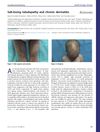
February 2012 in “International Journal of Dermatology” A new genetic mutation in the CDH3 gene causes hair loss and eye problems in young people.
October 2024 in “Frontiers in Oncology” A new gene mutation linked to Olmsted syndrome may increase cancer risk, suggesting the need for ongoing patient monitoring.
 3 citations
,
April 2022 in “Frontiers in Physiology”
3 citations
,
April 2022 in “Frontiers in Physiology” Ptch2 plays a key role in controlling stem cell function and the ability to regenerate after birth.
8 citations
,
April 2016 in “Experimental Dermatology” The type of tumor suppressor affects the form of skin cancer from hair follicle stem cells.
 3 citations
,
May 2022 in “The journal of investigative dermatology/Journal of investigative dermatology”
3 citations
,
May 2022 in “The journal of investigative dermatology/Journal of investigative dermatology” Skin lesions in Carney Complex are caused by a gene change in some skin cells that leads to increased pigmentation and may lead to tumors.
 245 citations
,
January 1998 in “Genes & Development”
245 citations
,
January 1998 in “Genes & Development” Hoxc13 gene is essential for hair, nail, and papilla development.
 40 citations
,
June 2013 in “Scientific Reports”
40 citations
,
June 2013 in “Scientific Reports” A gene variant in KRT71 causes the curly fur in Selkirk Rex cats.
33 citations
,
August 2009 in “Journal of Investigative Dermatology” Overexpressing the epigen gene in mice leads to enlarged sebaceous glands and greasy fur.
53 citations
,
July 2002 in “Journal of Investigative Dermatology” The Dfl mutation in mice causes poor sebaceous gland function and complete hair loss.
5 citations
,
November 2013 in “Journal of Investigative Dermatology” The glucocorticoid receptor helps protect skin from tumors and other issues.
March 2026 in “World Rabbit Science” DKK4 can be used to improve wool quality in Zhexi Angora rabbits.
38 citations
,
October 2001 in “British Journal of Dermatology” Keratin K6irs is a marker for the inner root sheath of hair follicles in mice and humans.
1 citations
,
September 2015 Gefitinib treatment led to unexpected hair growth in two lung cancer patients.
15 citations
,
August 2019 in “F1000Research” CMG2 and TEM8 receptors have distinct roles in skin and growth disorders, affecting collagen breakdown and growth.
2 citations
,
August 2023 in “Development Genes and Evolution” 6 citations
,
March 2007 in “BioTechniques” PCR genotyping in cre-loxP mice can be inaccurate due to unintended gene deletions in non-target tissues.
24 citations
,
February 1986 in “Cancer” A pancreatic tumor caused high glucagon levels and symptoms, but treatment reduced glucagon and shrank liver tumors.
1 citations
,
September 2001 in “PubMed” ONO-3403 effectively reduces mouse skin tumor growth without side effects.
PTHrP is important for bone formation and may be targeted for osteoporosis treatment and longevity therapies.
31 citations
,
February 2007 in “Molecular Carcinogenesis” Overexpressing ATF3 in mice's epithelial cells may lead to oral cancer.