 1 citations
,
December 2022 in “Animals”
1 citations
,
December 2022 in “Animals” Blocking miR-27a increases sheep hair follicle stem cell growth and decreases cell death, which could help improve wool quality and treat hair loss.
24 citations
,
December 2018 in “Inflammation and Regeneration” Phospholipase A2 enzymes play key roles in skin health and disease.
January 2016 in “Methods in molecular biology” HAP stem cells in hair follicles could help repair nerves and spinal cords.
37 citations
,
April 2015 in “Development Growth & Differentiation” The Hippo signaling pathway helps control organ size during regeneration by regulating gene expression.
 38 citations
,
April 2017 in “PLOS Genetics”
38 citations
,
April 2017 in “PLOS Genetics” GRHL3 is important for controlling gene activity in skin cells during different stages of their development.
23 citations
,
May 2023 in “Cell Proliferation” TGF-β and FGF pathways are crucial for skin development and regeneration.
July 2025 in “Frontiers in Medicine” Mutations in the LIPH gene cause woolly hair in a child.
39 citations
,
October 2012 in “Familial cancer” New therapies for Birt–Hogg–Dubé syndrome are being developed based on understanding the FLCN gene's role.
 April 2024 in “Cellular signalling”
 Activating TRPMLs helps human cells important for hair growth and increases hair growth in mice.
 January 2025 in “Cellular and Molecular Biology”
 The PIP5K1A gene helps cashmere growth in goats by promoting cell proliferation, and melatonin boosts its expression.
 119 citations
,
November 2014 in “Trends in Cell Biology”
119 citations
,
November 2014 in “Trends in Cell Biology” Fibroblast growth factor receptor signaling controls cell development and repair, and its malfunction can cause disorders and cancer, but it also offers potential for targeted therapies.
 August 2013 in “Nature Reviews Drug Discovery”
 New treatments for cancer and skin disorders show promise in disrupting harmful cell interactions and promoting hair growth.

Proper niche formation in Drosophila requires Slit-Robo signaling for cell migration.
 April 2017 in “Journal of Investigative Dermatology”
 Targeted siRNA therapy may be a promising treatment for KID syndrome by reducing mutant gene expression and improving cell communication.
S1PR1 helps control inflammation in blood vessel cells by affecting gene activity differently in various cell types and locations.
 25 citations
,
November 2017 in “Molecular Medicine Reports”
25 citations
,
November 2017 in “Molecular Medicine Reports” PlncRNA-1 helps hair follicle stem cells grow and develop by controlling a specific cell signaling pathway.
 September 2013 in “Science”
 Special astrocytes improved learning and memory in rats after a stroke.
 October 2022 in “Frontiers in Genetics”
 The research found new potential mechanisms in mouse hair growth by studying RNA interactions.
 1 citations
,
January 2023 in “Journal of Drugs in Dermatology”
1 citations
,
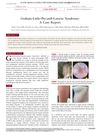
January 2023 in “Journal of Drugs in Dermatology” Early detection of Graham-Little-Piccardi-Lasseur syndrome is key for better management.
April 2026 in “Development” Hemidesmosomes and Notch signaling help skin cells mature by moving them to the outer layer.
Ganoderma lucidum extract may help treat stress-related hair loss.
 11 citations
,
March 2014 in “Journal of Investigative Dermatology”
11 citations
,
March 2014 in “Journal of Investigative Dermatology” Genetic mutation and carcinogen treatment are both needed for skin cancer to develop in these specific mice.
8 citations
,
July 2023 in “Inflammation and Regeneration” ALKBH5 helps wounds heal faster by stabilizing PELI2 mRNA.
 March 2023 in “Scientific reports”
 Hair growth-related cells need the enzyme SCD1 to help maintain the area that supports hair growth.
ERK activation spreads between cells in mouse skin, linked to cell division and influenced by TPA and EGF receptors.
September 2025 in “Journal of Investigative Dermatology” SLC3A2 is crucial for hair follicle stem cell function and hair growth.
 1 citations
,
June 2024 in “PLoS ONE”
1 citations
,
June 2024 in “PLoS ONE” HAP-cell-sheets improved wound healing in diabetic mice.
 6 citations
,
April 2010 in “Cellular Reprogramming”
6 citations
,
April 2010 in “Cellular Reprogramming” Pig skin cells can turn into mesodermal cells but lose their ability to become neural cells.
January 2008 in “Deep Blue (University of Michigan)” Wnt signaling is crucial for Hedgehog-driven skin tumor growth.
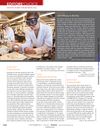 September 2013 in “Science”
 Transplanted human Olig2+ astroglia may help improve learning and memory after a stroke.