13 citations
,
August 2005 in “Journal of Investigative Dermatology Symposium Proceedings” Mutations in the DSG4 gene cause fragile, sparse hair in humans, mice, and rats.
May 2023 in “Pharmaceuticals” Three specific mutations in the LIPH gene can cause hair loss by damaging the protein's structure and function.
32 citations
,
July 2003 in “Histochemistry and Cell Biology” 75 citations
,
August 2018 in “Plant physiology” Hydrogen sulfide disrupts protein function and root hair growth in plants by modifying proteins.
April 2024 in “Biosaintifika Journal of Biology & Biology Education” SH-MSCs can improve hair growth by balancing gene expressions in fluconazole-related hair loss.
May 2005 in “Faculty Opinions – Post-Publication Peer Review of the Biomedical Literature” Truncated LTBP-1 disrupts TGF-beta signaling, affecting hair growth.
The study identified a key protein involved in producing underarm odor and found ways to inhibit it.
 170 citations
,
July 2012 in “Journal of Investigative Dermatology”
170 citations
,
July 2012 in “Journal of Investigative Dermatology” Wnt ligands are crucial for hair growth and repair.
23 citations
,
November 2018 in “International Journal of Molecular Sciences” Deoxyshikonin helps wounds heal faster in diabetic mice.
 12 citations
,
January 2018 in “Journal of Drug Delivery Science and Technology”
12 citations
,
January 2018 in “Journal of Drug Delivery Science and Technology” The new particle system could be a promising treatment for diseases related to the 5-α reductase enzyme.
 16 citations
,
November 2011 in “PubMed”
16 citations
,
November 2011 in “PubMed” The treatment improved hair growth in people with male pattern baldness.
14 citations
,
January 2005 in “Cell Stress and Chaperones”  5 citations
,
July 2014 in “Acta Crystallographica Section D-biological Crystallography”
5 citations
,
July 2014 in “Acta Crystallographica Section D-biological Crystallography” Mutations in the enzyme don't significantly change how it binds to its specific substances.
 5 citations
,
January 2016 in “Journal of Molecular Histology”
5 citations
,
January 2016 in “Journal of Molecular Histology” Both main and alternative Wnt signaling are important for regrowing rodent whisker follicles.
 2 citations
,
January 2009 in “Folia Pharmacologica Japonica”
2 citations
,
January 2009 in “Folia Pharmacologica Japonica” The document concludes that more research is needed to create specific drugs for treating male pattern baldness.
 January 2006 in “Yearbook of Dermatology and Dermatologic Surgery”
 Hair graying is caused by the loss of pigment cells due to poor maintenance of stem cells in the hair follicle.
78 citations
,
November 2005 in “Endocrinology” Hairless protein can block vitamin D activation in skin cells.
253 citations
,
April 2009 in “Journal of Biological Chemistry” p2y5, now called LPA6, is a receptor important for human hair growth.
15 citations
,
May 2017 in “Journal of Cellular Biochemistry” The hairless protein is important for skin, hair, and may influence cancer development.
2 citations
,
August 2023 in “Molecules” SH-340 may improve skin barrier and help treat atopic dermatitis.
 April 2023 in “Journal of Investigative Dermatology”
 Human TMEM2 does not break down hyaluronan but helps control its metabolism.
 June 2026 in “Research Square”
 THBS4 helps hair grow by activating hair follicle stem cells.
August 1987 in “European journal of endocrinology” The T/SHBG ratio may be a useful marker for androgen activity in women with androgenetic alopecia.
3 citations
,
September 2024 in “Journal of Microbiology and Biotechnology” Human placenta extract reduces inflammation and symptoms in atopic dermatitis.
 2 citations
,
January 2022 in “Journal of Investigative Dermatology”
2 citations
,
January 2022 in “Journal of Investigative Dermatology” Hedgehog signaling in skin cells is crucial for hair growth and skin healing, but needs to be balanced to avoid harmful effects like scarring and cancer.
90 citations
,
December 2008 in “Journal of Investigative Dermatology” Thyroid-stimulating hormone affects hair follicles but doesn't change hair growth or color.
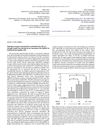 19 citations
,
September 2011 in “Journal of Dermatological Science”
19 citations
,
September 2011 in “Journal of Dermatological Science” TGF-β1 increases androgen receptor activity in hair loss, but Hic-5/ARA55 can counter this effect.
50 citations
,
February 2004 in “Genomics” A gene mutation causes lanceolate hair in rats by disrupting hair shaft integrity.
13 citations
,
May 1998 in “The Journal of Clinical Endocrinology & Metabolism” LH and hCG reduce certain protein levels in women's skin.
37 citations
,
November 2019 in “Journal of Microbiology and Biotechnology” Loliolide can boost hair growth by activating specific cell pathways.