 December 2022 in “theses.fr (ABES)”
 Microplastics in the Lebanese Mediterranean carry harmful pollutants, posing environmental and health risks.

Fetal environments contain various chemicals that may disrupt hormones.
 October 2022 in “International Journal For Multidisciplinary Research”
 Hibiscus flowers have many medicinal benefits and are generally safe.
 August 2022 in “International journal of research in pharmacy and chemistry”
 Teak is a durable, termite-resistant wood with medicinal benefits.
 May 2022 in “International Journal for Research in Applied Science and Engineering Technology”
 Eclipta prostrata has potential as a natural antibiotic.
 May 2022 in “Research Square (Research Square)”
 OBEME effectively enhances wound healing and could be a promising carrier for skin treatments.
 March 2022 in “Marmara University Open Access System”
 Digital games are part of new media but need a deeper look at their complex nature and cultural roots.

Human hair keratins can be turned into useful 3D biomedical scaffolds through a freeze-thaw process.
 January 2022 in “International Journal of Medical Research”
 Chemotherapy harms healthy cells, causing side effects like hair loss and reduced immunity.
 July 2021 in “International journal of homoeopathic sciences”
 Homeopathic treatment can help manage alopecia areata in children.
 January 2021 in “bioRxiv (Cold Spring Harbor Laboratory)”
 Mothers have more hair proteins than their children, with age-related differences in protein patterns, and some proteins in hair could indicate early childhood development.
 December 2020 in “International Journal of Biosciences (IJB)”
 Eclipta alba shows promise for medicinal use but needs more research.
 September 2020 in “Farmacja Polska”
 Foams improve drug absorption and release in various medical applications.
 February 2020 in “International Journal of Advanced Research”
 The Garcinia Cambogia Nutri Bite could help manage PCOS symptoms.

Human hair keratins can self-assemble and support cell growth, useful for biomedical applications.
 January 2020 in “International Journal of Herbal Medicine”
 The freeze-dried hair growth product is more stable and pure than the natural form.
 January 2020 in “Asian journal of applied science and technology”
 Good nutrition is crucial for health and preventing disease, and supplements can help prevent nutrient deficiencies.
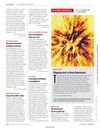
Activin A increases inner ear hair cell development, while follistatin decreases it.
 April 2019 in “Majalah Obat Tradisional”
 Menthol boosts the hair growth effects of Phyllanthus niruri gel.
 January 2019 in “Oncogen”
 Triple Hormonal Blockade (ADT3) can effectively manage prostate cancer but requires careful monitoring for heart risks.

The extract of Guazuma ulmifolia Lam. has limited antioxidant properties and cannot prevent uric acid synthesis.

Eclipta alba can be used in products to treat hair loss.
 April 2017 in “The journal of investigative dermatology/Journal of investigative dermatology”
 QMSI is a valuable method for studying drug penetration in skin tissues.
 April 2017 in “The journal of investigative dermatology/Journal of investigative dermatology”
 CD101 is highly effective in treating dermatophytosis in guinea pigs.
April 2017 in “The journal of investigative dermatology/Journal of investigative dermatology” Topical Vorinostat shows promise for treating alopecia areata by promoting hair regrowth.
 March 2017 in “BIRDEM Medical Journal”
 Sarcoidosis can cause various skin issues, making diagnosis difficult.
 January 2017 in “Bulletin of Pharmaceutical Research”
 Chemical fingerprints can distinguish Eclipta prostrata from Wedelia calendulacea to prevent confusion and adulteration.
 September 2016 in “International Journal of Herbal Medicine”
 Buxus wallichiana has compounds that support its use in traditional medicine.

Glycyrrhizic acid and licorice extract can significantly reduce unwanted hair growth.