 May 2022 in “International Journal of Clinical Trials”
 PRF may offer better healing and recovery than PRP for immediate implants.

Men's skincare products with essential oils can improve skin health and may increase male interest in cosmetics.
The guide suggests using keratin fibers and wigs to help hair look thicker or hide hair loss.
Tretinoin is used topically to treat acne, skin aging, and various skin conditions.

Guaraná extract effectively reduces oiliness in skin and hair without harming skin health.
 June 2019 in “The Egyptian Journal of Histology”
 Hyaluronic acid injections improve skin thickness and quality, protecting against aging in rats.
 July 2018 in “British Journal of Dermatology”
 Hair regrowth was seen in 83% of children with alopecia, immune system plays a role in the condition, and various treatments showed effectiveness for hair and nail disorders.
 April 2018 in “The journal of investigative dermatology/Journal of investigative dermatology”
 Double-stranded RNA helps regenerate hair follicles by increasing retinoic acid production and signaling.
 April 2018 in “The journal of investigative dermatology/Journal of investigative dermatology”
 Researchers created a 3D-printed skin model that grew human hair when grafted onto mice by improving blood supply to the grafts.
 April 2018 in “The journal of investigative dermatology/Journal of investigative dermatology”
 Samcyprone ointment is effective for treating common warts if a sensitization reaction occurs first.
 January 2018 in “Springer eBooks”
 Athletes need effective management of skin disorders for their performance and well-being.
Combining microneedling with platelet-rich plasma enhances skin repair and collagen production but may not offer significant extra benefits.
Tailored nonsurgical cosmetic procedures are crucial for safely treating diverse skin types, especially skin of color.
 June 2017 in “Journal of The American Academy of Dermatology”
 LED light helps hair follicle cells grow and prevents them from dying by activating certain cell pathways.
 May 2017 in “Journal of The American Academy of Dermatology”
 LED light helps human hair root cells grow and move by activating certain cell pathways.
 May 2017 in “Journal of The American Academy of Dermatology”
 LED light helps human hair root cells grow and prevents them from dying by activating specific growth pathways.
 February 2017 in “Journal of Aesthetic Nursing”
 Skin needling is a safe, effective, and affordable treatment for various skin issues and enhances other aesthetic procedures.

Orthognathic surgeons play a key role in modifying masculine facial features to be more feminine, often improving transgender women's quality of life.
 August 2016 in “PolyPublie (École Polytechnique de Montréal)”
 Doxorubicin causes heart damage, so early detection and monitoring are important during chemotherapy.
 July 2016 in “The journal of investigative dermatology/Journal of investigative dermatology”
 Scientists created a new 3D skin model from cells of plucked hairs that works like real skin and is easier to get.
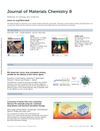 January 2016 in “Journal of Materials Chemistry B”
 Advancements in biomaterials and nanotechnology are improving medical applications like hair growth, bone regeneration, and cancer treatment.
 October 2015 in “Cosmetic Dermatology”
 Hair straightening changes hair structure and can cause damage if done wrong, but improvements in the methods are expected to continue.
Different connective tissue disorders have unique symptoms and treatments, with varying outcomes and often require ongoing care from a specialist.
 August 2014 in “Plastic Surgery”
 Dr. WP Unger suggested that traditional strip harvesting might be better for hair transplants than Follicular Unit Extraction due to higher hair survival rates and less risk of a patchy look at the donor site.
 March 2014 in “Journal of The American Academy of Dermatology”
 The document lists various dermatology topics, treatments, and diagnostic methods.
 November 2013 in “John Wiley & Sons, Ltd eBooks”
 Skin symptoms can indicate endocrine disorders and have various treatments.
 January 2013 in “Springer eBooks”
 Hair care products are important for appearance and self-esteem, and choosing the right ones can help maintain healthy hair.

Type II spiral ganglion neurites avoid high concentrations of laminin and fibronectin.
 August 2010 in “Springer eBooks”
 Hormonal contraceptives are effective for teens but require careful consideration of side effects and individual health.
 August 2010 in “The Journal of Dermatology”
 The document concludes that low-dose acne treatment is most suitable for moderate acne, with high patient satisfaction and low relapse rates.