 8 citations
,
September 2016 in “The American Journal of Dermatopathology”
8 citations
,
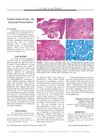
September 2016 in “The American Journal of Dermatopathology” Enlarged sweat gland ducts may indicate scarring hair loss.
July 1997 in “JEADV. Journal of the European Academy of Dermatology and Venereology/Journal of the European Academy of Dermatology and Venereology” TGF-β is found in hair follicles and may cause hair loss in alopecia areata.
23 citations
,
December 1977 in “Virchows Archiv B Cell Pathology” April 2023 in “The Medical Journal of Australia” A five-year-old girl has a harmless, unchanging bald patch on her scalp.
 April 2018 in “Journal of Investigative Dermatology”
 The role of γδT-cells in causing alopecia areata remains unclear.
 1 citations
,
November 2002 in “Journal of dermatology”
1 citations
,
November 2002 in “Journal of dermatology” The antibody created from BCC tissues reacts similarly to both BCC and hair follicles, suggesting BCC may come from hair follicle cells.
35 citations
,
March 2010 in “BMC veterinary research” Goats with BSE or scrapie show varying symptoms, and using only clinical signs may not detect all scrapie cases.
1 citations
,
November 2023 in “Journal of Microbiology and Biotechnology” Immortalized human dermal papilla cells were created that grow better and can still help form hair.
47 citations
,
January 1998 in “Molecular Carcinogenesis” ErbB2 signaling is crucial for skin cell growth and cancer development in mice.
578 citations
,
April 1993 in “Cell” TGFα gene mutation in mice causes abnormal skin, wavy hair, curly whiskers, and sometimes eye inflammation.
41 citations
,
December 1988 in “Journal of Investigative Dermatology” 65 citations
,
July 1984 in “Journal of Investigative Dermatology” 15 citations
,
July 2015 in “Journal of exotic pet medicine” Humans, especially vulnerable groups, can catch skin infections from small mammals.
June 2010 in “Chinese Journal of Dermatology” A new gene mutation is linked to monilethrix in the studied family.
 1 citations
,
November 2025 in “Wiener Medizinische Wochenschrift”
1 citations
,
November 2025 in “Wiener Medizinische Wochenschrift” Infectious cerebral vasculitis can be a severe complication of meningoencephalitis, regardless of the pathogen.
September 1973 in “Primates”  35 citations
,
January 2019 in “Clinics in Dermatology”
35 citations
,
January 2019 in “Clinics in Dermatology” Syphilis has a wide range of symptoms that can look like other diseases, and if not treated, it can progress to a more serious stage, especially in HIV-positive patients.
28 citations
,
September 2014 in “Journal of Veterinary Internal Medicine” VDC-1101 shows potential as a treatment for canine cutaneous T-cell lymphoma.
16 citations
,
April 2000 in “Journal of Investigative Dermatology” The AVET system effectively delivers genes to human keratinocytes and may help treat skin diseases.
 January 2025 in “Turkish Journal of Cerebrovascular Diseases”
 CARASIL can cause different symptoms even with the same genetic mutation.
 1 citations
,
November 2011 in “Journal of AIDS & Clinical Research”
1 citations
,
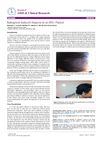
November 2011 in “Journal of AIDS & Clinical Research” Raltegravir may cause hair loss in some patients.
 8 citations
,
October 2016 in “Experimental dermatology”
8 citations
,
October 2016 in “Experimental dermatology” Hair follicles may help teach the immune system to tolerate new self-antigens, but this can sometimes cause hair loss.
12 citations
,
January 2022 in “The Egyptian Journal of Internal Medicine” Continued vaccine and drug development is crucial due to new virus variants and regional infection spikes.
6 citations
,
October 2001 in “British Journal of Ophthalmology” Intralesional cidofovir may be a viable treatment for conjunctival lesions in Melkersson-Rosenthal syndrome without systemic toxicity.
 April 2012 in “Informa Healthcare eBooks”
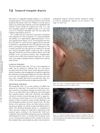
 Temporal triangular alopecia is a lifelong condition with hairless patches on the side of the head that may be present from birth.
September 2025 in “Jurnal Penelitian Pendidikan IPA” Two genetic variations in Moa buffalo help them adapt to heat.
 23 citations
,
May 2013 in “Virology”
23 citations
,
May 2013 in “Virology” HPV16 oncogenes disrupt the normal activity of hair follicle stem cells.
1 citations
,
February 1991 in “Journal of Biological Chemistry” May 2024 in “Archives of Dermatological Research” TAT-GILZ peptide promotes hair growth by boosting stem cell activity.
23 citations
,
November 2024 in “Nature”