28 citations
,
August 2005 in “Journal of Investigative Dermatology” TG5 helps maintain hair follicle health, while TG3 aids in hair shaft development.

Higher TGF-β signaling may increase skin cancer risk in organ transplant recipients.
 39 citations
,
December 2001 in “JNCI: Journal of the National Cancer Institute”
39 citations
,
December 2001 in “JNCI: Journal of the National Cancer Institute” Using a gene therapy with the Sonic Hedgehog gene helps mice regrow hair faster after losing it from chemotherapy.
32 citations
,
July 2001 in “Journal of the American Academy of Dermatology” SLHA can be hard to diagnose and needs teamwork between specialists.
 26 citations
,
June 2018 in “The journal of immunology/The Journal of immunology”
26 citations
,
June 2018 in “The journal of immunology/The Journal of immunology” AIRE-deficient rats developed severe autoimmune disease similar to APECED, useful for testing treatments.
 75 citations
,
October 2010 in “Mammalian genome”
75 citations
,
October 2010 in “Mammalian genome” Sphynx cats are hairless and Devon Rex cats have curly hair due to specific genetic mutations.
16 citations
,
April 2023 in “Physical Medicine and Rehabilitation Clinics of North America”  7 citations
,
January 2022 in “Molecules”
7 citations
,
January 2022 in “Molecules” Tectoridin helps human hair cells grow and makes mouse hair longer, suggesting it could treat hair loss.
18 citations
,
August 2024 in “eLife” JAK inhibition may help manage autoimmune conditions in Down syndrome.
7 citations
,
August 2008 in “Immunogenetics” A gene mutation in mice causes increased mast cells and disorganized hair follicles in their skin.
 April 2023 in “Journal of Investigative Dermatology”
 Mutations in the SHH pathway in certain skin cells can cause skin tumors and abnormal hair growth.

The document concluded that certain compounds might strongly bind to and potentially inhibit a key SARS-CoV-2 protein, but further testing is needed.

A woman with a rare hair loss condition developed skin cancer in the bald area.
18 citations
,
April 2016 in “Molecular Genetics and Genomics” Thymosin beta 4 may help hair growth and could be a treatment for hair issues.
The trichohyalin gene is located at chromosomal region 1q21 with other skin-related protein genes.
 12 citations
,
June 2005 in “Journal of the European Academy of Dermatology and Venereology”
12 citations
,
June 2005 in “Journal of the European Academy of Dermatology and Venereology” A man with HIV developed skin and hair issues after starting HIV treatment, which improved with topical treatment.
April 2026 in “Current HIV Research” Skin disorders in HIV patients have shifted, with more sexually transmitted infections and ART-related conditions now common.
7 citations
,
January 1989 in “Archives of Dermatological Research” The side gland of Suncus murinus is a good model for studying human sebaceous glands.
 75 citations
,
January 1995 in “American journal of primatology”
75 citations
,
January 1995 in “American journal of primatology” Vervet monkeys show physical changes like hair loss and scrotal color changes due to stress or nutrition issues.
13 citations
,
June 2014 in “Molecular therapy” The lentiviral array can monitor and predict gene activity during stem cell differentiation.
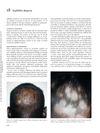 April 2012 in “Informa Healthcare eBooks”
 Syphilitic alopecia is a rare hair loss condition in secondary syphilis that looks similar to another condition but can be diagnosed with specific tests and responds to antibiotics.
28 citations
,
July 2005 in “Journal of Investigative Dermatology” Sca-1+ cells in newborn mouse skin may become fat cells.

Toxoplasma gondii infection may increase testosterone levels in males.
 10 citations
,
September 1997 in “Molecular carcinogenesis”
10 citations
,
September 1997 in “Molecular carcinogenesis” Mirex seems to promote a unique group of skin cells different from those affected by another tumor promoter, TPA.
71 citations
,
January 1998 in “Pathobiology” The document concludes that certain rats and mice are useful for studying hair loss in humans and testing treatments.
148 citations
,
October 1997 in “Journal of Investigative Dermatology” 3 citations
,
May 1964 in “Nature”  7 citations
,
October 2013 in “British Journal of Dermatology”
7 citations
,
October 2013 in “British Journal of Dermatology” HIV can cause skin disorders, which are often the first sign of infection, especially in people with darker skin.
 5 citations
,
October 2018 in “Dermatologic therapy”
5 citations
,
October 2018 in “Dermatologic therapy” Recognizing congenital triangular alopecia is crucial to avoid unnecessary treatments.
3 citations
,
January 2025 in “Animal Genetics” Variants on chromosome 10 affect hair thickness in Dazu black goats.