 March 2025 in “Journal of Clinical Medicine”
 Low-dose oral minoxidil effectively treats alopecia but can cause side effects like excess hair growth and fluid retention.
 February 2025 in “Healthcare”
 Caffeine may help with hair loss, but more research is needed.
 August 2024 in “Journal of Cosmetic Dermatology”
 Injectable treatments can effectively and safely improve hair growth in adults with androgenetic alopecia.
 August 2024 in “Stem Cell Research & Therapy”
 New regenerative therapies show promise for treating hair loss.
April 2024 in “Cosmetics” Wigs help improve self-esteem and quality of life for people with hair loss from alopecia areata.
 April 2024 in “Nigerian Postgraduate Medical Journal”
 Androgenetic alopecia is a common hair loss condition influenced by various factors and linked to psychosocial and cardiovascular issues.
 February 2024 in “Biomedicines”
 Hormones like androgens, estrogen, thyroid hormones, and stress hormones can contribute to hair loss, and treatments target these hormonal imbalances.
 February 2024 in “Scientific Reports”
 Topical minoxidil and dietary supplements improved hair regrowth in children with hair loss from chemotherapy.
 November 2023 in “International Journal of Medical Sciences”
 New regenerative medicine-based therapies for hair loss look promising but need more clinical validation.
 July 2023 in “Journal of Cutaneous and Aesthetic Surgery”
 Combining platelet-rich plasma with other treatments may improve hair growth in people with hair loss, but more research is needed.
 July 2023 in “International journal of trichology”
 Cellcurin therapy with microneedling increases hair density and thickness in treating hair loss in men and women.
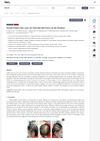
Different genes cause Female Pattern Hair Loss compared to male hair loss, and treatments vary, but more research is needed to understand it fully.
 May 2023 in “Journal of Clinical Medicine”
 New understanding and treatments for hair loss are improving, but more research is needed.
 May 2023 in “International Journal of Trichology”
 Low-dose oral Minoxidil is an effective treatment for hair loss with minimal serious side effects.
May 2023 in “Clinical, Cosmetic and Investigational Dermatology” More personalized and effective treatments for androgenetic alopecia are needed.
 April 2023 in “JMIR Research Protocols”
 The study aims to create a model to predict health attributes using diverse health data from Japanese adults.
 April 2023 in “Dermatologica Sinica”
 Sex hormones affect hair growth and loss, and treatments for related hair diseases include various medications, hair transplantation, and light therapy.
 February 2023 in “Vaccines”
 COVID-19 may harm male reproductive health and lower testosterone levels, potentially affecting fertility and causing erectile dysfunction. More research is needed.
 January 2023 in “Dermatologic Therapy”
 The nutritional supplement Pilopeptan® WOMAN improved hair growth and thickness in women with hair loss.
 January 2023 in “Journal of Cosmetics, Dermatological Sciences and Applications”
 The hair growth serum Trichosera® was effective in increasing hair regrowth and density and reducing hair fall without significant side effects.
 October 2022 in “JAAD international”
 Most patients with autoimmune blistering diseases experienced some hair loss, which may be underreported and linked to disease severity.
January 2022 in “Indian journal of drugs in dermatology” Oral minoxidil helps with hair growth but needs more research to fully understand its effectiveness and safety.
 January 2017 in “Journal of Investigative Dermatology Symposium Proceedings”
 The 2015 Hair Research Congress concluded that stem cells, maraviroc, and simvastatin could potentially treat Alopecia Areata, topical minoxidil, finasteride, and steroids could treat Frontal Fibrosing Alopecia, and PTGDR2 antagonists could also treat alopecia. They also found that low-level light therapy could help with hair loss, a robotic device could assist in hair extraction, and nutrition could aid hair growth. They suggested that Alopecia Areata is an inflammatory disorder, not a single disease, indicating a need for personalized treatments.
September 2025 in “Current Issues in Molecular Biology” IGF-1 can help regrow hair and may be a promising treatment for hair loss.
March 2023 in “Anais Brasileiros De Dermatologia” Topical minoxidil is the best-supported treatment for female hair loss, but personalized plans are needed.
March 2023 in “Clinical, Cosmetic and Investigational Dermatology” Spironolactone can effectively treat hair loss with manageable side effects.
August 2022 in “Nutrients” Nutritional supplements may help improve hair growth in female pattern hair loss.
55 citations
,
October 2019 in “The journal of allergy and clinical immunology/Journal of allergy and clinical immunology/The journal of allergy and clinical immunology” The review suggests that other immune cells besides CD8+ T cells may contribute to alopecia areata and that targeting regulatory cell defects could improve treatment.
 8 citations
,
June 2021 in “Frontiers in Bioengineering and Biotechnology”
8 citations
,
June 2021 in “Frontiers in Bioengineering and Biotechnology” Extracts from Alnus sibirica and oregonin may help with hair growth and prevent hair loss.