 April 2017 in “Journal of Investigative Dermatology”
 Targeted siRNA therapy may be a promising treatment for KID syndrome by reducing mutant gene expression and improving cell communication.
 5 citations
,
October 2020 in “Frontiers in Cell and Developmental Biology”
5 citations
,
October 2020 in “Frontiers in Cell and Developmental Biology” Reducing FOXA2 in skin cells lowers their ability to grow hair.
October 2022 in “Frontiers in Bioengineering and Biotechnology” Bioengineered nanoparticles can effectively treat hair loss by targeting specific enzymes and receptors.
 6 citations
,
January 2016 in “Journal of Stem Cell Research & Therapy”
6 citations
,
January 2016 in “Journal of Stem Cell Research & Therapy” Notch1 signaling is crucial for improving wound healing and skin regeneration by affecting stem cell behavior.
 June 2023 in “Biochimica and biophysica acta. Molecular and cell biology of lipids”
 Impaired ABCA5 activity disrupts cholesterol balance in hair follicle cells, affecting hair growth.
 6 citations
,
February 2013 in “Journal of Visualized Experiments”
6 citations
,
February 2013 in “Journal of Visualized Experiments” The method quickly analyzes hair growth genes and shows that blocking Smo in skin cells stops hair growth.
 January 2012 in “Durham e-Theses (Durham University)”
 Keratin 15 affects cell behavior and characteristics in skin cells.
 10 citations
,
December 2015 in “International Journal of Molecular Sciences”
10 citations
,
December 2015 in “International Journal of Molecular Sciences” PDCD4 is important for controlling skin cell growth and healing.
 April 2018 in “Journal of Investigative Dermatology”
 Removing STAT5 from 3D-cultured human skin cells reduces their ability to grow hair.
1 citations
,
April 2010 in “Digital WPI” CLK1 is needed for skin cells to become epidermal cells but not sebocytes.
 24 citations
,
April 2017 in “Oncology Reports”
24 citations
,
April 2017 in “Oncology Reports” The hair keratin gene KRT81 is found in both normal and breast cancer cells and helps them invade surrounding tissues.
 10 citations
,
May 2018 in “Cell death discovery”
10 citations
,
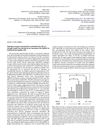
May 2018 in “Cell death discovery” HSP90 and lamin A/C are crucial for hair growth and could be targets for treating hair loss.
 19 citations
,
September 2011 in “Journal of Dermatological Science”
19 citations
,
September 2011 in “Journal of Dermatological Science” TGF-β1 increases androgen receptor activity in hair loss, but Hic-5/ARA55 can counter this effect.
1 citations
,
July 2024 in “Journal of Investigative Dermatology” MPZL3 protein affects hair growth cycles and could help manage hair loss.
 3 citations
,
February 2022 in “Frontiers in cell and developmental biology”
3 citations
,
February 2022 in “Frontiers in cell and developmental biology” A specific RNA molecule, circCOL1A1, affects the growth and quality of goat hair by interacting with miR-149-5p and influencing cell growth pathways.
 September 2017 in “Journal of Investigative Dermatology”
 Blue light helps hair growth by affecting specific proteins in hair follicle cells.
April 2016 in “Journal of Investigative Dermatology” Mutations in the TSPEAR gene cause a new form of ectodermal dysplasia affecting hair and tooth development.
3 citations
,
December 2024 in “Journal of Animal Physiology and Animal Nutrition” FGF20 is essential for hair follicle stem cell growth and development in fine-wool sheep.
 June 2025 in “Medical academic journal”
 Modified liposomes with exosomes effectively deliver RNA to stem cells.
 February 2026 in “International Journal of Molecular Sciences”
 Silencing SFRP1 alone promotes hair growth, but adding DKK1 does not help.
 4 citations
,
April 2015 in “Experimental Dermatology”
4 citations
,
April 2015 in “Experimental Dermatology” Certain genes controlled by OVOL1 are crucial for creating new hair follicles.
 3 citations
,
August 2020 in “International Journal of Molecular Sciences”
3 citations
,
August 2020 in “International Journal of Molecular Sciences” Blocking Rab27a slows hair growth, while blocking Rab27b encourages it.
 2 citations
,
February 2019 in “Journal of Investigative Dermatology”
2 citations
,
February 2019 in “Journal of Investigative Dermatology” Higher levels of the DP2 receptor may lead to hair loss.
 123 citations
,
November 2012 in “Stem cells”
123 citations
,
November 2012 in “Stem cells” MicroRNA-302 helps improve the conversion of body cells into stem cells by blocking NR2F2.
 April 2018 in “Journal of Investigative Dermatology”
 Ovol2 is important for proper skin healing and hair growth.
 109 citations
,
September 2011 in “Human molecular genetics online/Human molecular genetics”
109 citations
,
September 2011 in “Human molecular genetics online/Human molecular genetics” New treatments targeting specific genes show promise for treating keratin disorders.
 9 citations
,
February 2022 in “Archives animal breeding/Archiv für Tierzucht”
9 citations
,
February 2022 in “Archives animal breeding/Archiv für Tierzucht” A circular RNA helps cashmere goat hair cells become hair follicles by blocking a molecule to boost a gene important for hair growth.
 9 citations
,
July 2021 in “Frontiers in Pharmacology”
9 citations
,
July 2021 in “Frontiers in Pharmacology” Cholesterol-modified siRNAs targeting certain genes increased hair growth in mice.
 6 citations
,
June 2019 in “Biotechnology Letters”
6 citations
,
June 2019 in “Biotechnology Letters” Gene therapy shows promise for improving wound healing, but more research is needed for human use.
 2 citations
,
June 2012 in “Journal of Dermatological Science”
2 citations
,
June 2012 in “Journal of Dermatological Science” The gene HDC is important for the development of hair follicles in newborn mice.