13 citations
,
January 2021 in “The American journal of gastroenterology” Sirolimus effectively reduces lesions and improves quality of life in Blue Rubber Bleb Nevus Syndrome with manageable side effects.
6 citations
,
April 2016 in “Australasian journal of dermatology” Renal transplant patients on tacrolimus and sirolimus may develop acne keloidalis nuchae.
1 citations
,
March 2021 in “Journal of Investigative Dermatology” Sirolimus can reduce tumor cell size in TSC-related skin tumors, but continuous treatment is needed to maintain benefits.
28 citations
,
November 2012 in “Experimental dermatology” A protein complex called mTORC1 likely affects when hair growth starts in mice.
20 citations
,
January 1995 in “Journal of Dermatological Science” Cyclosporin A and FK506 can start new hair growth without needing immunosuppression.
 14 citations
,
April 2017 in “American Journal of Transplantation”
14 citations
,
April 2017 in “American Journal of Transplantation” Skin problems from transplant drugs are common and need careful management in organ transplant patients.
4 citations
,
October 2016 in “The journal of investigative dermatology/Journal of investigative dermatology” Using an anti-ICAM-1 antibody with rapamycin improves hair transplant survival in monkeys.
4 citations
,
January 2014 in “The Journal of urology/The journal of urology” Kidney cancer cells without folliculin are more sensitive to radiation due to increased self-eating cell death.
 2 citations
,
September 2010 in “Journal of the Dermatology Nurses’ Association”
2 citations
,
September 2010 in “Journal of the Dermatology Nurses’ Association” Transplant patients on immunosuppressive medications have a higher risk of skin cancer, and managing this involves balancing medication with cancer risk.
March 2026 in “Voprosy dermatologii i venerologii/Dermatologiâ ža̋ne veneralogiâ ma̋selelerì” Early diagnosis, genetic testing, and personalized care are essential for managing tuberous sclerosis.
 December 2024 in “Frontiers in Genetics”
 EGFR and mTOR inhibitors may help manage Olmsted syndrome symptoms.
July 2024 in “Journal of Investigative Dermatology” Topical melatonin may reduce skin aging by inhibiting certain cellular pathways.
 February 2023 in “JAAD case reports”
 Reducing immunosuppression and using antiviral creams improved the woman's skin condition.
December 2017 in “Annales de dermatologie et de vénéréologie” In 2017, pediatric dermatology advanced with new treatments and insights into various skin conditions in children.
 September 2017 in “Pediatric Dermatology”
 The document concludes that an experimental drug may help wound healing in Epidermolysis Bullosa, links Hydroa vacciniforme to EBV, discusses diagnosing hair loss disorders, finds many children with eczema have allergies, reviews the safety of a skin medication in children, notes side effects of a Duchenne's treatment, and identifies a marker for pediatric mastocytosis.
 April 2017 in “Journal of Investigative Dermatology”
 Sirolimus and propranolol may reduce abnormal cell growth and improve lymphatic malformations in children.
 October 2013 in “Journal of Investigative Dermatology”
 Collagen VII helps skin heal and stay strong, sirolimus may lower skin cancer risk in kidney transplant patients, high-molecular-mass hyaluronan helps naked mole rats resist cancer, dermal γδ T cells aid in hair growth in rodents, and overexpression of IL-33 in mouse skin causes itchiness, offering a model for studying allergic inflammation treatments.
1 citations
,
May 2024 in “Pediatric Blood & Cancer” Trametinib can effectively treat severe kaposiform lymphangiomatosis when other treatments fail.
 17 citations
,
June 2020 in “British Journal of Dermatology”
17 citations
,
June 2020 in “British Journal of Dermatology” Oral mTOR inhibitors often cause skin and hair side effects but usually don't require stopping treatment.
January 2013 in “Biology of blood and marrow transplantation” Rapamycin increased survival in mice with severe chronic graft-versus-host disease by expanding regulatory T cells.
86 citations
,
June 2018 in “Cochrane library” Mycophenolate mofetil may improve lupus nephritis remission more than cyclophosphamide but with uncertain safety.
17 citations
,
December 1997 in “Transplantation” Tacrolimus can cause hair loss in kidney transplant patients.
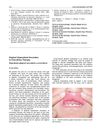 January 2010 in “Actas Dermo-Sifiliográficas”
 A woman developed thick gums from everolimus treatment after a kidney transplant.

Tacrolimus causes fewer acute rejections than cyclosporin A in kidney transplants but doesn't necessarily improve kidney function after one year; cardiovascular risks and side effects vary between the two drugs.
7 citations
,
August 2025 in “European Journal of Endocrinology” Long-term use of calcineurin inhibitors in transplant patients can cause hormone issues that can be managed with proper care.
 1 citations
,
April 2017 in “Journal of Investigative Dermatology”
1 citations
,
April 2017 in “Journal of Investigative Dermatology” D-OCT shows increased blood vessel growth in response to tissue damage in Frontal Fibrosing Alopecia and is useful for diagnosis and monitoring.
 April 2017 in “Journal of Investigative Dermatology”
 The hair follicle dermal sheath is essential for hair shedding and needs to communicate with the outer root sheath for normal hair growth cycles.
 April 2017 in “Journal of Investigative Dermatology”
 PRC1 influences skin stem cell development by both turning genes on and off, affecting hair growth and skin cell types.
 April 2017 in “Journal of Investigative Dermatology”
 Blocking JAK-STAT5 signaling in mice leads to hair growth.
 January 2010 in “Actas Dermo-Sifiliográficas”
 A woman was allergic to quinine in her anti-hair loss lotion.