8 citations
,
December 2003 in “Experimental Dermatology” Altering the keratin 17 gene in mice hair follicles caused temporary hair issues, but changes were minimal and short-lived.
 13 citations
,
June 1984 in “Postgraduate Medicine”
13 citations
,
June 1984 in “Postgraduate Medicine” Pregnancy can cause various skin changes, including pigmentation, acne, and stretch marks, and may affect preexisting skin conditions.
2 citations
,
January 1987 in “Acta Agriculturae Scandinavica” Certain chelators lighten mink skin and hair, increase skin elasticity, and disrupt hair growth without affecting fur quality.
71 citations
,
May 1996 in “Journal of Investigative Dermatology” Ornithine decarboxylase is crucial for hair growth regulation in mice.
9 citations
,
October 2014 Vitamin D receptor helps prevent skin tumors.
 1 citations
,
November 2025 in “Journal of Korean Medical Association”
1 citations
,
November 2025 in “Journal of Korean Medical Association” Recognizing nail changes helps diagnose and treat non-infectious skin diseases.
51 citations
,
March 2019 in “Experimental Dermatology” Matrix changes and increased MMPs contribute to skin inflammation in hidradenitis suppurativa.
 144 citations
,
September 2012 in “Genes & development”
144 citations
,
September 2012 in “Genes & development” Aging causes skin stem cells to work less effectively.
7 citations
,
June 2009 in “Journal of the European Academy of Dermatology and Venereology” Basement membrane changes in lichen planopilaris cause scarring and permanent hair loss.
7 citations
,
November 1997 in “Pediatric Dermatology” Trichothiodystrophy can be linked to urologic issues and high calcium in urine.
7 citations
,
December 1981 in “International Journal of Dermatology” Understanding genes can help diagnose and treat skin color disorders.
 4 citations
,
February 2022 in “Frontiers in molecular biosciences”
4 citations
,
February 2022 in “Frontiers in molecular biosciences” Chronic stress in mice changes skin metabolism and gene expression, leading to hair loss.
 March 2026 in “International Journal of Health Science”
 Pregnancy causes temporary skin changes that are usually harmless.
 January 2023 in “Indian dermatology online journal”
 A child with ectodermal dysplasia-syndactyly syndrome has a new mutation in the NECTIN4 gene.
Changes in skin bacteria can affect hair loss and new treatments targeting these bacteria may prevent balding without sexual side effects.
 April 2016 in “Journal of Investigative Dermatology”
 Decreasing MIG6 can increase the movement and invasiveness of MEK-inhibited mutant NRAS melanoma, particularly when stimulated by EGF.
 14 citations
,
October 2021 in “Dermatology and Therapy”
14 citations
,
October 2021 in “Dermatology and Therapy” UV exposure accelerates skin aging by altering elastin, leading to wrinkles.
1 citations
,
January 2024 in “Microorganisms” Mice with a virus similar to COVID-19 had skin damage, but a special treatment helped repair it.
 10 citations
,
July 2022 in “Dermatology and Therapy”
10 citations
,
July 2022 in “Dermatology and Therapy” Melasma's causes include genetics, sun exposure, hormones, and oxidative stress, and understanding these can help create better treatments.
Early and accurate identification of primary scarring alopecias is crucial to prevent permanent hair loss.
Targeting the PGI2 pathway may help heal diabetic foot ulcers.
November 1997 in “Open Archive (Karolinska Institutet)” PTCH gene mutations contribute to basal cell carcinoma development.
 101 citations
,
July 2020 in “Dermatologic therapy”
101 citations
,
July 2020 in “Dermatologic therapy” COVID-19 can cause skin issues like rashes and "COVID toes," and people with skin conditions should adjust their treatments if they get the virus.
 82 citations
,
August 2017 in “Cell Reports”
82 citations
,
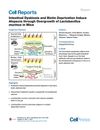
August 2017 in “Cell Reports” An imbalanced gut and lack of biotin can cause hair loss in mice.
 42 citations
,
October 2011 in “Seminars in Cell & Developmental Biology”
42 citations
,
October 2011 in “Seminars in Cell & Developmental Biology” Eph/ephrin signaling is important for skin cell behavior and could be targeted to treat skin diseases.
 41 citations
,
October 2017 in “International Journal of Women's Dermatology”
41 citations
,
October 2017 in “International Journal of Women's Dermatology” Most pregnant women experience skin darkening and hair changes, with these effects usually going away after giving birth.
 24 citations
,
May 2016 in “Stem Cell Reviews and Reports”
24 citations
,
May 2016 in “Stem Cell Reviews and Reports” The document concludes that understanding how adult stem and progenitor cells move is crucial for tissue repair and developing cell therapies.
19 citations
,
June 2020 in “BMC Cancer” Trichilemmal carcinoma shares genetic changes with other skin cancers, suggesting similar causes and potential treatments.
9 citations
,
August 2021 in “Experimental dermatology” Hidradenitis suppurativa is a skin disease caused by the breakdown of the skin's natural immune barriers, especially around hair follicles.
 9 citations
,
May 2012 in “PLOS ONE”
9 citations
,
May 2012 in “PLOS ONE” ILK is essential for skin development, pigmentation, and healing.