December 2014 in “Belarusian State Pedagogical University repository (Belarusian State Pedagogical University)” ECM components regulate β-Catenin activity, affecting wound healing.

Hair microscopy is a useful and affordable way to diagnose hair disorders.
 April 2015 in “Plastic and Reconstructive Surgery”
 Activating TLR3 helps improve skin and hair follicle regeneration after wounds.
1 citations
,
December 2018 in “Veterinary dermatology” The hair coat disorder in Schipperkes is similar to Alopecia X and involves increased androstenedione levels and hair cycle arrest.
 April 2024 in “International Journal of Chemical and Biochemical Sciences”
 Most young people in Saudi Arabia use cosmetic nutritional supplements for nutrient deficiencies and appearance, but more education on proper use is needed.
 February 2026 in “International journal of intelligent engineering and systems”
 The new method improves hair segmentation in skin images, helping detect skin cancer more accurately.
 May 2017 in “Journal of The American Academy of Dermatology”
 Finasteride and dutasteride increase sexual dysfunction reports.
114 citations
,
August 2002 in “Journal of Investigative Dermatology” Alopecia areata is caused by an immune response, and targeting immune cells might help treat it.
 106 citations
,
September 2010 in “Stem cells”
106 citations
,
September 2010 in “Stem cells” Skin-derived precursors in hair follicles come from different origins but function similarly.
 91 citations
,
January 2009 in “International Journal of Trichology”
91 citations
,
January 2009 in “International Journal of Trichology” Different hair evaluation methods have their own pros and cons, and using multiple methods together is best for accurate hair loss diagnosis and tracking.
12 citations
,
March 2013 in “The American journal of dermatopathology/American journal of dermatopathology” Birt–Hogg–Dubé Syndrome requires genetic testing for accurate diagnosis due to its similarities with tuberous sclerosis.
 11 citations
,
February 2019 in “Research and reports in forensic medical science”
11 citations
,
February 2019 in “Research and reports in forensic medical science” DNA phenotyping helps predict physical traits from DNA with varying accuracy and requires careful ethical and legal handling.
 11 citations
,
June 2012 in “Acta histochemica”
11 citations
,
June 2012 in “Acta histochemica” Mice with a Gsdma3 gene mutation have thicker skin and longer hair follicle openings due to increased β-catenin levels.
 9 citations
,
October 2008 in “British Journal of Dermatology”
9 citations
,
October 2008 in “British Journal of Dermatology” The growth of the Epstein-Barr virus in the patient's cells was linked to the worsening of her lymphoma.
4 citations
,
January 2017 in “Journal of veterinary medical science” A dog had a rare skin tumor called desmoplastic tricholemmoma.
1 citations
,
January 2008 in “China Journal of Bioinformatics” Goat skin has more keratin genes, while the mammary gland has more immunity-related genes.
1 citations
,
January 2004 in “Adelaide Research & Scholarship (AR&S) (University of Adelaide)” SPARC likely aids in tissue remodeling during the hair cycle, not in starting new hair growth phases.
 June 2026 in “Drug Delivery and Translational Research”
 The solid microneedle booster improves hair regrowth and follicle enrichment when used with minoxidil.

Bubble microneedles effectively deliver drugs through skin and mouth, improving hair growth and lowering glucose.
July 2024 in “Journal of Investigative Dermatology” Skin hormone levels change significantly after menopause.
 April 2024 in “Journal of Investigative Dermatology”
 Using quantitative traits in genetics can improve understanding and management of skin health and conditions.
 January 2022 in “Acta dermatovenerologica Alpina, Pannonica et Adriatica (Tiskana izd.)”
 Uncombable hair syndrome causes frizzy hair and can affect the nervous system, eyes, and ears, often co-occurring with other hair, skin, nail, and teeth conditions, and is linked to three specific gene mutations.
 April 2018 in “The journal of investigative dermatology/Journal of investigative dermatology”
 Researchers created a 3D-printed skin model that grew human hair when grafted onto mice by improving blood supply to the grafts.
June 2017 in “Mechanisms of development” Hox genes control hair follicle stem cell regeneration in different body regions.
MIR135b affects wound healing by targeting genes, and PDRN may help heal wounds by altering this pathway.
 July 2016 in “The journal of investigative dermatology/Journal of investigative dermatology”
 Scientists created a new 3D skin model from cells of plucked hairs that works like real skin and is easier to get.
 April 2012 in “Informa Healthcare eBooks”
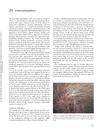
 Lichen planopilaris is a rare, chronic condition causing hair loss, mainly in middle-aged women, and early treatment is important to prevent permanent baldness.
July 2022 in “Journal of Investigative Dermatology” Skin bacteria help hair regrow by boosting cell metabolism.
 40 citations
,
August 2014 in “Journal of Nanoparticle Research”
40 citations
,
August 2014 in “Journal of Nanoparticle Research” Silver nanoparticles in gel form can effectively heal wounds.
2 citations
,
March 2010 in “Plastic & Reconstructive Surgery” A simple, safe, and cost-effective method using adhesive drapes effectively removes hair from scalp grafts, reducing infection risk.