January 1990 in “Journal of dermatological treatment” Clinical features of hyperandrogenism do not predict the success of conventional acne treatment in women.
 7 citations
,
May 1978 in “International Journal of Dermatology”
7 citations
,
May 1978 in “International Journal of Dermatology” Recent hair loss research shows some progress, especially in understanding male pattern baldness, but effective treatments for many types of hair loss are still lacking.
 75 citations
,
June 1999 in “Pediatric Clinics of North America”
75 citations
,
June 1999 in “Pediatric Clinics of North America” The document concludes that early recognition and treatment of PCOS in adolescents is crucial for managing symptoms and long-term health risks.
 43 citations
,
May 1988 in “British Journal of Dermatology”
43 citations
,
May 1988 in “British Journal of Dermatology” Patients with acanthosis nigricans often have insulin resistance and signs of increased male hormones, but treatment targeting these male hormones is generally ineffective.
 3 citations
,
January 1988 in “PubMed”
3 citations
,
January 1988 in “PubMed” High prolactin levels can cause skin and hair symptoms similar to those caused by hormone imbalances.
 2 citations
,
September 2009 in “Nurse Prescribing”
2 citations
,
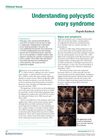
September 2009 in “Nurse Prescribing” PCOS affects many women, causing various symptoms and health risks, and is managed through lifestyle changes, medication, and support groups.
 June 2025 in “Research Square (Research Square)”
 HAIR-AN syndrome mainly affects obese women and can be improved with early diagnosis and treatment using insulin-sensitizing agents.
 February 2005 in “Journal of The American Academy of Dermatology”
 Metabolic syndrome can cause serious health issues and should be considered when treating women with severe acne.
4 citations
,
November 2019 in “Harper's Textbook of Pediatric Dermatology” Endocrine diseases in children can cause various skin and hair changes.
 6 citations
,
March 1982 in “Clinical and Experimental Dermatology”
6 citations
,
March 1982 in “Clinical and Experimental Dermatology” The document says that hair loss in women is often due to androgenic alopecia, similar to male baldness, and that hirsutism is treated with hormonal and cosmetic methods.
July 1993 in “学術講演梗概集. A, 材料施工,防火,海洋,情報システム技術” Evaluate prolactin levels with androgen and thyroid tests to rule out endocrine issues in patients with SAHA syndrome symptoms.
 72 citations
,
October 1998 in “Baillière's clinical endocrinology and metabolism”
72 citations
,
October 1998 in “Baillière's clinical endocrinology and metabolism” Long-term testosterone therapy can cause hormone suppression, affect prostate and heart health, and alter physical characteristics, but does not increase prostate cancer risk and needs more research for full risk assessment.
 May 2026 in “Актуальні питання педіатрії акушерства та гінекології”
 Menstrual cycle disorders are linked to hormone-related skin issues, requiring personalized treatment.

The ketogenic diet might improve certain skin conditions, but more research is needed to confirm its effectiveness.
 May 2016 in “Endocrine Abstracts”
 The removal of the adrenal tumor improved the patient's symptoms and reduced androgen levels, indicating successful surgery.
 July 2012 in “The Journal of Urology”
 Testosterone increases muscle mass regardless of DHT conversion blocking.
 56 citations
,
October 2018 in “Journal of The American Academy of Dermatology”
56 citations
,
October 2018 in “Journal of The American Academy of Dermatology” Androgens play a complex role in skin conditions like acne and hair loss in women, and normal blood levels don't always show true androgen status.
 May 2024 in “International Seven Multidisciplinary Journal”
 PCOS causes skin issues like excess hair, acne, and hair loss, needing a team approach for treatment.
 38 citations
,
May 2006 in “Archives of Gynecology and Obstetrics”
38 citations
,
May 2006 in “Archives of Gynecology and Obstetrics” Women with only irregular periods or excess hair have a better hormone profile than those with full PCOS, but both groups are similar, indicating a need for better PCOS diagnosis methods.
1 citations
,
January 2005 in “Experimental Dermatology” Antisense oligonucleotides can reduce androgen receptor levels in skin cells, suggesting potential for treating skin disorders.
21 citations
,
August 2001 in “PubMed” Finasteride helps hair growth by reducing DHT levels.
31 citations
,
January 2008 in “Gynecological endocrinology” Both birth control pills improved hormone levels and skin conditions in women with hyperandrogenism, but the one with drospirenone was more effective.
64 citations
,
March 1984 in “Journal of steroid biochemistry/Journal of Steroid Biochemistry” Cyproterone acetate effectively reduced hair growth in hirsute patients by lowering androgen levels and altering androgen metabolism.
 20 citations
,
April 2006 in “Dermatologic Clinics”
20 citations
,
April 2006 in “Dermatologic Clinics” Antiandrogen therapies are beneficial for treating skin and hair conditions related to androgen levels.
 4 citations
,
March 2018 in “PloS one”
4 citations
,
March 2018 in “PloS one” Men with less sun-sensitive skin have lower PSA levels, while men with more sun-sensitive skin have higher PSA levels.
 11 citations
,
September 1997 in “Archives of Dermatology”
11 citations
,
September 1997 in “Archives of Dermatology” Reduced androgens linked to kinky hair disorder and hair loss; 5a-reductase inhibitors may help.
 56 citations
,
August 2005 in “Journal of Investigative Dermatology Symposium Proceedings”
56 citations
,
August 2005 in “Journal of Investigative Dermatology Symposium Proceedings” Different women's hair and skin glands respond to hormones in varied ways, which can cause unwanted hair growth even with normal hormone levels, and more research is needed to treat this effectively.
 May 2013 in “Journal of the Egyptian Women's Dermatologic Society (Print)”
 High aldosterone and free testosterone levels link to female hair loss; testing aldosterone may predict hypertension risk.
 14 citations
,
November 1982 in “British Journal of Dermatology”
14 citations
,
November 1982 in “British Journal of Dermatology” Testosterone conversion to 5α-DHT may not be essential for its effects on the skin.
 14 citations
,
December 2013 in “Experimental Dermatology”
14 citations
,
December 2013 in “Experimental Dermatology” The T-zone on the face has more androgen receptors and produces more oil than the U-zone.