August 2016 in “The journal of investigative dermatology/Journal of investigative dermatology” Different types of skin cells create unique support structures that can affect skin cell growth and could help in skin repair.
 September 2017 in “Journal of Investigative Dermatology Symposium Proceedings”
 A 73-year-old woman with Hypopigmented Mycosis Fungoides, a rare skin lymphoma, experienced disease progression despite treatment, emphasizing the need for ongoing monitoring.
 73 citations
,
July 1956 in “Journal of Investigative Dermatology”
73 citations
,
July 1956 in “Journal of Investigative Dermatology” Adult human skin can grow new fine hair follicles after a deep exfoliation treatment.
33 citations
,
March 1996 in “Veterinary Quarterly” Amitraz effectively treated ferrets with demodicosis without side effects.
 12 citations
,
December 2021 in “Aging”
12 citations
,
December 2021 in “Aging” A new painless method to collect hair follicles helps study DNA damage and aging.
Guinea pigs can lose hair due to infections or poor diet, and they may have ear infections or cataracts.
 1 citations
,
January 2018 in “Indian journal of dermatopathology and diagnostic dermatology”
1 citations
,
January 2018 in “Indian journal of dermatopathology and diagnostic dermatology” Trichoscopy helps diagnose and monitor hair and scalp problems without needing many biopsies.

Deep learning can improve non-invasive alopecia diagnosis using hair images.
 November 2022 in “Journal of Investigative Dermatology”
 Ultrasound is a useful, safe, and affordable tool for diagnosing and managing skin nodules.
 August 2017 in “Companion animal”
 Focal alopecia in dogs has many causes and requires various tests for accurate diagnosis and treatment.
 September 2017 in “Journal of Investigative Dermatology”
 Injections of special skin cells showed potential in treating hair loss, with some participants experiencing increased hair density.
 4 citations
,
September 2021 in “Dermatopathology”
4 citations
,
September 2021 in “Dermatopathology” The conclusion is that Erosive Pustular Dermatosis of the Scalp is a rare condition best treated with strong topical steroids and sometimes systemic treatment.
February 2026 in “British Journal of Dermatology” Tape-strip RNA sequencing can better detect inflammation in hair follicles for alopecia areata.
6 citations
,
August 2016 in “Journal of Visualized Experiments” The CUBIC protocol allows detailed 3D visualization of proteins in mouse skin biopsies.
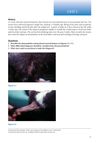 May 2019 in “Small Animal Dermatology”
 The cat had a rare condition linked to cancer, leading to its euthanasia.
 April 2018 in “Journal of Investigative Dermatology”
 Watching, not removing, skin growths with moderate atypia and positive edges is okay; patients may get melanoma elsewhere, especially if they've had it before.
 December 2020 in “Our Dermatology Online”
 Skin biopsies are recommended for confirming alopecia diagnosis due to variability in clinical assessments; the link between vitamin D levels and alopecia is unclear.
February 2016 in “Journal of Allergy and Clinical Immunology” Consider DRIF and perform skin biopsies for persistent papular rashes.
 29 citations
,
September 2014 in “American Journal of Dermatopathology”
29 citations
,
September 2014 in “American Journal of Dermatopathology” Horizontal sections of scalp biopsies are good for diagnosing Central Centrifugal Cicatricial Alopecia and help customize treatment.
 20 citations
,
March 2017 in “Journal of cutaneous pathology”
20 citations
,
March 2017 in “Journal of cutaneous pathology” Shrinking of oil glands in the skin is a key sign of hair loss linked to TNF inhibitor drugs and may improve if the treatment is stopped.
 10 citations
,
July 2008 in “Journal of Cutaneous Pathology”
10 citations
,
July 2008 in “Journal of Cutaneous Pathology” Increased mucin in the skin might indicate lupus in patients with hair loss, but more research is needed.
 31 citations
,
August 2005 in “The American Journal of Dermatopathology”
31 citations
,
August 2005 in “The American Journal of Dermatopathology” The study concluded that PKP1 is essential for skin integrity and hair growth, and its dysfunction causes the symptoms of ectodermal dysplasia/skin fragility syndrome.
 80 citations
,
March 2000 in “Journal of cutaneous pathology”
80 citations
,
March 2000 in “Journal of cutaneous pathology” The VVG stain effectively differentiates scar tissue from normal skin and helps classify types of permanent alopecia.
 4 citations
,
July 2015 in “Case Reports in Dermatology”
4 citations
,
July 2015 in “Case Reports in Dermatology” A woman with unexplained hair loss was found to have harmless skin tumors and a scarring hair loss condition, but the tumors didn't cause the hair loss.
 January 2026 in “Dermatology and Therapy”
 UVFD can help doctors better identify harmful skin lesions on the face, reducing unnecessary biopsies.
 3 citations
,
May 2014 in “Journal of The American Academy of Dermatology”
3 citations
,
May 2014 in “Journal of The American Academy of Dermatology” Dermatologists greatly affect inpatient diagnosis and treatment of skin conditions, especially in spotting infections in patients with weakened immune systems.
April 2024 in “UNESP Institutional Repository (São Paulo State University)” Alpaca skin has glands, hair follicles, and different collagen types.
 August 2023 in “Journal of Investigative Dermatology”
 Different body areas have unique skin cell communication patterns, explaining why certain skin diseases occur in specific regions.
45 citations
,
September 2000 in “Archives of dermatology” The study found that the enzyme linked to acne is present in the same areas of both acne-affected and normal skin.
 24 citations
,
November 2021 in “PLoS ONE”
24 citations
,
November 2021 in “PLoS ONE” Ablative fractional laser treatment rejuvenates skin by altering gene expression and promoting wound healing and tissue regeneration.