 1 citations
,
July 2023 in “Cancers”
1 citations
,
July 2023 in “Cancers” Skin side effects from CDK4/6 inhibitors in breast cancer patients are generally mild and treatable, allowing most patients to continue treatment.
 4 citations
,
January 1987 in “Journal of The American Academy of Dermatology”
4 citations
,
January 1987 in “Journal of The American Academy of Dermatology” A man with both skin lesions and lung cancer improved quickly with chemotherapy, suggesting the skin condition might be a reaction to immune system injury.
 January 2003 in “American Journal of Clinical Dermatology”
 In 2002, various skin reactions were reported due to different drugs, including allergies, hair loss, skin lesions, and other skin conditions.
August 2024 in “Postgraduate Medical Journal” A rare skin reaction from cancer treatment was successfully managed with topical treatments and antihistamines.
 1 citations
,
January 2023 in “Przegląd Dermatologiczny”
1 citations
,
January 2023 in “Przegląd Dermatologiczny” A man's severe skin reaction from cancer treatment improved with early diagnosis and proper medication.
 68 citations
,
September 2003 in “British Journal of Dermatology”
68 citations
,
September 2003 in “British Journal of Dermatology” Shrinking skin cancer increases the chance of cancer in nearby lymph nodes.
1 citations
,
March 2022 in “Frontiers in Medicine” Regular endoscopic checks are crucial for Cronkhite-Canada syndrome patients to catch potential cancers early.
 5 citations
,
January 2021 in “Dermatology Online Journal”
5 citations
,
January 2021 in “Dermatology Online Journal” An 84-year-old man developed a rare scalp condition from a cancer drug but continued treatment as it was otherwise well tolerated.
 August 2013 in “Gastroenterology”
 A 60-year-old man with Cronkhite-Canada syndrome improved with treatment, but the condition has a high mortality rate and a risk of colorectal cancer.
 April 2018 in “Journal of Investigative Dermatology”
 IL-17C is important in inflammatory skin diseases and could be a target for treatment.
 3 citations
,
November 2018 in “Oncology issues”
3 citations
,
November 2018 in “Oncology issues” Cancer survivors often experience worse skin problems from treatment than expected, and working with dermatologists could help improve their condition.
September 2024 in “Dermatologica Sinica” Ponatinib can cause a rare skin reaction that resolves with topical treatment and temporary drug discontinuation.
 1 citations
,
October 2019 in “Journal of Craniofacial Surgery”
1 citations
,
October 2019 in “Journal of Craniofacial Surgery” 3D virtual planning can help in precise skull reconstruction for advanced skin cancer, but patient-specific factors must be considered.
 January 2019 in “LASER THERAPY”
 Laser technologies improve medical treatments and outcomes.
October 2013 in “The American Journal of Gastroenterology” The man's diarrhea was caused by a rare disorder called Cronkhite-Canada syndrome, which improved with specific medications.
 119 citations
,
July 2016 in “Annals of the New York Academy of Sciences”
119 citations
,
July 2016 in “Annals of the New York Academy of Sciences” Vitamin D has potential benefits for cancer prevention, heart health, diabetes, obesity, muscle function, skin health, and immune function, but clinical results are mixed and more research is needed.
 January 2015 in “Indian Journal of Dermatology, Venereology and Leprology”
 The document concludes that various skin conditions have specific characteristics and treatments, and highlights the importance of vitamin D in managing these dermatological issues.
 123 citations
,
September 1987 in “JAMA”
123 citations
,
September 1987 in “JAMA” IL-2 treatment causes skin eruptions and other reversible side effects, and may play a role in psoriasis.
 April 2005 in “Clinics in Plastic Surgery”
 Various surgical techniques effectively treat skin diseases and cosmetic issues.
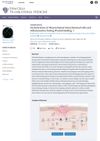 July 2023 in “Stem Cells Translational Medicine”
 Mesenchymal Stem/Stromal Cells (MSCs) help in wound healing and tissue regeneration, but can also contribute to tumor growth. They show promise in treating chronic wounds and certain burns, but their full healing mechanisms and potential challenges need further exploration.
 1 citations
,
February 2015 in “Clinical and Experimental Dermatology”
1 citations
,
February 2015 in “Clinical and Experimental Dermatology” A man got six skin cancers within a year after a cell transplant for leukemia but was cancer-free 32 months later; skin checks are important post-transplant.
 19 citations
,
October 2008 in “Journal der Deutschen Dermatologischen Gesellschaft”
19 citations
,
October 2008 in “Journal der Deutschen Dermatologischen Gesellschaft” Anti-cancer treatments can cause reversible hair loss, skin sensitivity, pigmentation changes, nail damage, and skin reactions, with a need for more research on managing these side effects.
 April 2018 in “Journal of Investigative Dermatology”
 BLZ-100 is safe for use in skin cancer surgery and may help identify cancerous tissue.
 36 citations
,
September 2009 in “Journal of Cellular and Molecular Medicine”
36 citations
,
September 2009 in “Journal of Cellular and Molecular Medicine” New treatments targeting skin stem cells show promise for skin repair, anti-aging, and cancer therapy.
 20 citations
,
August 2016 in “International Journal of Cancer”
20 citations
,
August 2016 in “International Journal of Cancer” Men with male pattern baldness have a higher risk of certain skin cancers, especially on the scalp.
 14 citations
,
January 2015 in “Hormones and Cancer”
14 citations
,
January 2015 in “Hormones and Cancer” Androgen receptor inactivation delays skin cancer onset and reduces incidence in mice, with gender differences in susceptibility.
 May 2014 in “Journal of The American Academy of Dermatology”
 Patients with nonmelanoma skin cancers are most bothered by fear of progression, appearance concerns, and having cancer.
 12 citations
,
May 2020 in “Dermatology and therapy”
12 citations
,
May 2020 in “Dermatology and therapy” A young woman had a rare skin reaction to a medication for her joint disease, and a combination therapy improved her condition.
 15 citations
,
November 2023 in “Supportive Care in Cancer”
15 citations
,
November 2023 in “Supportive Care in Cancer” Dermocosmetics help manage skin issues in cancer patients, improving outcomes and reducing treatment interruptions.
 6 citations
,
October 2007 in “Medical Hypotheses”
6 citations
,
October 2007 in “Medical Hypotheses” Male pattern baldness might have evolved to help protect against prostate cancer by increasing UV radiation on the scalp.