 1 citations
,
January 2024 in “Acta Bioclínica”
1 citations
,
January 2024 in “Acta Bioclínica” Hair and scalp health needs more attention in medical training.
 April 2023 in “Journal of Investigative Dermatology”
 People with Alopecia Areata are more likely to have certain health issues like ulcerative colitis and type 1 diabetes, but less likely to have others like hypertension and type 2 diabetes.
 108 citations
,
November 1980 in “British Journal of Dermatology”
108 citations
,
November 1980 in “British Journal of Dermatology” Oral retinoids are effective for various skin conditions but have side effects and should not be used during pregnancy.
 88 citations
,
July 2014 in “Journal of the American Academy of Dermatology”
88 citations
,
July 2014 in “Journal of the American Academy of Dermatology” Targeted cancer therapies often cause skin reactions, so dermatologists must manage these effects.
 May 2023 in “Journal of the Dermatology Nurses' Association”
 The DNA convention was a valuable opportunity for learning and networking, especially after COVID-19.
30 citations
,
January 2007 Cyclophosphamide can cause serious short-term and long-term side effects, including increased cancer risk and infertility.
 4 citations
,
June 2017 in “Endocrine Reviews”
4 citations
,
June 2017 in “Endocrine Reviews” Dihydrotestosterone (DHT) mainly affects nearby cells, doesn't significantly change prostate hormonal environment or cancer risk, and doesn't play a main role in causing hair loss or acne. More research is needed on its effects on heart health, sexual function, and bone health.
 1 citations
,
September 2025 in “Journal of Zhejiang University SCIENCE B”
1 citations
,
September 2025 in “Journal of Zhejiang University SCIENCE B” Photodynamic therapy successfully treated skin cancer in a 53-year-old woman.
 25 citations
,
May 2018 in “Clinical & Translational Oncology”
25 citations
,
May 2018 in “Clinical & Translational Oncology” New melanoma treatments can cause skin side effects, including skin cancer and rashes, but combining treatments may reduce these risks.
August 2010 in “The Journal of urology/The journal of urology” Male pattern baldness may be linked to prostate cancer risk.
 187 citations
,
December 2005 in “Experimental Dermatology”
187 citations
,
December 2005 in “Experimental Dermatology” Estrogens can improve skin aging but carry risks; more research is needed on safer treatments.
December 2025 in “International Journal of Innovative Technologies in Social Science” Localized estrogen treatments may improve skin quality with fewer risks than systemic hormone therapy.
 11 citations
,
January 2016 in “Journal of clinical & experimental dermatology research”
11 citations
,
January 2016 in “Journal of clinical & experimental dermatology research” Substance abuse can cause various skin problems, including marks from injections, sores, premature aging, and increased cancer risk.
 72 citations
,
October 1998 in “Baillière's clinical endocrinology and metabolism”
72 citations
,
October 1998 in “Baillière's clinical endocrinology and metabolism” Long-term testosterone therapy can cause hormone suppression, affect prostate and heart health, and alter physical characteristics, but does not increase prostate cancer risk and needs more research for full risk assessment.
 May 2013 in “Springer eBooks”
 Skin problems in the elderly are unique and may indicate other diseases, involving changes in skin, hair, nails, and increased cancer risk.
 165 citations
,
June 2007 in “European Journal of Cell Biology”
165 citations
,
June 2007 in “European Journal of Cell Biology” Hair follicle stem cells are key for hair and skin regeneration, can be reprogrammed, and have potential therapeutic uses, but also carry a risk of cancer.
 August 2013 in “Gastroenterology”
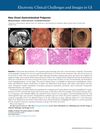
 A 60-year-old man with Cronkhite-Canada syndrome improved with treatment, but the condition has a high mortality rate and a risk of colorectal cancer.
 77 citations
,
July 2013 in “Best Practice & Research in Clinical Obstetrics & Gynaecology”
77 citations
,
July 2013 in “Best Practice & Research in Clinical Obstetrics & Gynaecology” Menopause reduces skin collagen and elasticity, and while estrogen therapy can help, its risks require careful consideration.
 8 citations
,
March 2015 in “Neuromuscular Disorders”
8 citations
,
March 2015 in “Neuromuscular Disorders” People with Myotonic Dystrophy type 1 are more likely to have certain skin conditions, but not more likely to get skin cancer.
Nutrition plays a key role in managing skin disorders, with specific dietary changes helping improve conditions like acne, dermatitis, psoriasis, alopecia, and skin cancer.
1 citations
,
March 2024 in “Life” Dermoscopy can help assess the severity of chronic radiation-induced skin damage in head and neck cancer patients.
 10 citations
,
January 2013 in “Journal of skin cancer”
10 citations
,
January 2013 in “Journal of skin cancer” PKC ε increases hair follicle stem cell turnover and may raise skin cancer risk.
January 2008 in “Projeto: revista mensal de arquitetura” Targeted cancer drugs can cause skin reactions, so dermatologists must manage these effects.
11 citations
,
November 2015 in “Carcinogenesis” Deleting TNFα gene reduces skin cancer risk in certain mice.
5 citations
,
July 1996 in “Journal of Cutaneous Medicine and Surgery” TTD patients don't have a higher skin cancer risk because their main issue is with transcription, not DNA repair.
Hair keratin treatments can be harmful, potentially causing health issues like skin reactions and cancer.
 November 2017 in “British Journal of Dermatology”
 Organ transplant recipients have a higher risk of skin cancer over time, atopic dermatitis skin shows unusual bacterial and fungal patterns, a new tool for measuring hidradenitis suppurativa severity was created, and gene expression changes in male baldness suggest new treatments.
 July 1999 in “Journal of The European Academy of Dermatology and Venereology”
 Bath PUVA therapy works well for a skin condition without as many cancer risks and is cheaper, and iron deficiency might not cause female hair loss.
 24 citations
,
January 2019 in “Theranostics”
24 citations
,
January 2019 in “Theranostics” Loss of Pten in certain hair follicle stem cells increases skin cancer risk.
1 citations
,
March 2003 in “Journal of Investigative Dermatology” Early sunburn treatment with certain inhibitors may reduce skin cancer risk.