25 citations
,
November 2010 in “Journal of Molecular Structure” Raman micro-spectroscopy can help distinguish basal cell carcinoma from hair follicles in skin tissue.

The study found that different genes are active in cashmere goats' hair growth stages, which can help improve cashmere production.
 9 citations
,
October 2008 in “British Journal of Dermatology”
9 citations
,
October 2008 in “British Journal of Dermatology” The growth of the Epstein-Barr virus in the patient's cells was linked to the worsening of her lymphoma.
39 citations
,
August 1998 in “FEBS Letters” Two new enzymes, PAD-R11 and PAD-R4, were cloned and showed activity, with PAD-R11 resembling epidermal enzymes.
23 citations
,
July 2020 in “Aging Cell” Aging changes sugar molecules on skin stem cells, which may affect their ability to repair skin.
 April 2023 in “The journal of investigative dermatology/Journal of investigative dermatology”
 Developing hair follicles form from ring-shaped patterns, with future stem cells originating from the outer ring, not the upper layers, as previously thought.
Live imaging helps us understand skin immune responses and develop treatments.
January 2010 in “Zhongguo xiandai yixue/Zhongguo xiandai yixue zazhi” Skin stem cells can become different cell types, like hair or bone cells, in lab conditions.
 211 citations
,
May 2018 in “Trends in cell biology”
211 citations
,
May 2018 in “Trends in cell biology” Different types of skin cells play specific roles in development, healing, and cancer.

New insights into cell communication in psoriasis suggest innovative drug treatments.
 37 citations
,
February 2019 in “Experimental Dermatology”
37 citations
,
February 2019 in “Experimental Dermatology” Spiny mice are better at regenerating hair after injury than laboratory mice and could help us understand how to improve human skin repair.
46 citations
,
December 1998 in “Journal of Biological Chemistry” Keratin 19 forms less stable and shorter filaments than keratin 14, giving unique traits to certain skin cells.
 July 2022 in “The journal of investigative dermatology/Journal of investigative dermatology”
 Scientists improved how to make skin-like structures from stem cells using special gels and a device that controls growth signals, leading to better hair and skin features.
124 citations
,
July 2017 in “eLife” Type XVII collagen helps control skin cell growth and could be a target for anti-aging treatments.
49 citations
,
October 1989 in “Genomics” Type I keratin genes are closely linked to the rex locus on mouse chromosome 11, affecting hair development.
 11 citations
,
June 2012 in “Journal of Dermatological Science”
11 citations
,
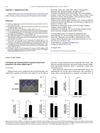
June 2012 in “Journal of Dermatological Science” Scientists identified a group of human skin cells with high growth and regeneration potential.
 43 citations
,
December 2013 in “Stem Cells”
43 citations
,
December 2013 in “Stem Cells” Stretching skin increases a certain protein that attracts stem cells, helping skin regeneration.
November 2025 in “The Journal of Immunology” Different γδ T cell types have unique roles in causing alopecia areata.
 21 citations
,
July 2020 in “Stem Cell Research & Therapy”
21 citations
,
July 2020 in “Stem Cell Research & Therapy” Fat stem cells from diabetic mice can still help heal wounds.
6 citations
,
May 2016 in “Experimental Dermatology” The type of tumor suppressor gene lost affects the behavior of skin cancer.
14 citations
,
May 2022 in “Stem cell reports” The study created hair-bearing skin models that lack a key protein for skin layer attachment, limiting their use for certain skin disease research.
 March 2021 in “bioRxiv (Cold Spring Harbor Laboratory)”
 A specific immune response helps control mite populations on the skin, maintaining healthy hair follicles.
80 citations
,
June 2002 in “Molecular Biology of the Cell” Type II keratins are uniquely phosphorylated during stress and mitosis, affecting their structure and function.
2 citations
,
May 2020 in “Research Square (Research Square)” Stem cells from diabetic mice can still help heal wounds effectively.
 October 2022 in “Frontiers in Cell and Developmental Biology”
 Aging skin is affected by inflammation, reduced stem cell function, and slower wound healing.
March 2020 in “Research Square (Research Square)” Type 2 diabetic stem cells can still help heal wounds effectively.
 4 citations
,
August 2017 in “International journal of molecular sciences”
4 citations
,
August 2017 in “International journal of molecular sciences” The conclusion is that Pigmented Epithelioid Melanocytoma can start from hair follicle stem cells or from a mole on the skin.
 10 citations
,
January 2016 in “Dermatology”
10 citations
,
January 2016 in “Dermatology” People with myotonic dystrophy type 1 tend to develop basal cell carcinoma at a younger age but not more frequently than others.
 April 2023 in “Journal of Investigative Dermatology”
 Type 2 cytokines IL-4 and IL-13 increase skin's vulnerability to Staphylococcus aureus, which could be important for treating atopic dermatitis.
 July 2022 in “The journal of investigative dermatology/Journal of investigative dermatology”
 Increasing type 17 collagen reduces aging signs in skin cells caused by UV light.