February 2024 in “Veterinary sciences” Canine pemphigus foliaceus involves significant immune activity and shares similarities with human pemphigus.
 3 citations
,
July 2023 in “The journal of investigative dermatology/Journal of investigative dermatology”
3 citations
,
July 2023 in “The journal of investigative dermatology/Journal of investigative dermatology” Keratin 17 is important for skin's response to radiation, affecting many genes and cell division.
16 citations
,
December 2020 in “PloS one” Researchers found WNT10A to be a key gene in developing goat hair follicles.
January 2026 in “Animals” TBX3 gene affects pigmentation and marking formation in Dun Mongolian horses.
4 citations
,
March 2018 in “Animal biotechnology” The LAMTOR3 gene is involved in cashmere goat hair growth and is affected by certain treatments and other genes.
1 citations
,
January 2023 in “PubMed” Urtica dioica extract may help treat androgenic skin diseases by reducing a specific gene's activity.
January 2014 in “China Feed” Higher expression of the keratin-associated protein 8.1 gene in Liaoning cashmere goats is linked to finer cashmere fibers.
 20 citations
,
October 2021 in “PLoS ONE”
20 citations
,
October 2021 in “PLoS ONE” Newborn skin is uniquely prepared to adapt to new environments compared to adult skin.
January 2014 in “China Animal Husbandry & Veterinary Medicine” The KAP8-1 gene affects skin, hair follicle development, and wool quality in different sheep varieties.
5 citations
,
January 2001 in “Journal of dermatological science” The G(S) alpha subunit gene may help start hair follicle growth in newborn mice.
4 citations
,
September 2016 in “World Rabbit Science” High wool density in Rex rabbits is linked to specific gene activity affecting hair follicle development.
November 2025 in “Journal of Investigative Dermatology” Dark skin has stronger barriers and structure due to specific gene activity.
 January 2017 in “NASA Technical Reports Server (NASA)”
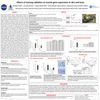
 Early changes in skin gene expression can predict later bone mass loss after radiation exposure.
 31 citations
,
March 2013 in “Gene”
31 citations
,
March 2013 in “Gene” Signaling pathways are crucial for hair growth in goats.
75 citations
,
April 2000 in “Developmental Dynamics” Whn is essential for hair growth, and its malfunction causes hair loss.

TBX3 gene affects horse coat color, with higher expression in darker areas.
 7 citations
,
October 1985 in “Genetics Research”
7 citations
,
October 1985 in “Genetics Research” Beige and leaden pigment genes act within melanocytes, affecting pigment patterns.
 August 2024 in “Journal of Animal Science and Technology”
 Angora goat hair growth is influenced by gene expression, sex hormones, and breed differences.
142 citations
,
August 2015 in “Arthritis & Rheumatology” Systemic sclerosis skin shows varied gene patterns, suggesting potential for personalized treatment.
29 citations
,
February 2001 in “Proceedings of the National Academy of Sciences” A specific DNA region controls skin cell gene expression by working with certain proteins.
3 citations
,
December 2008 in “Frontiers of Agriculture in China” The Cashmere goat hair keratin gene is crucial for hair structure.
 2 citations
,
February 2014 in “Animal Biotechnology”
2 citations
,
February 2014 in “Animal Biotechnology” The PTGER2 gene is highly active in Cashmere goat skin and its activity changes with the hair growth cycle.
June 2020 in “bioRxiv (Cold Spring Harbor Laboratory)” IGN genes may regulate hair growth and could be targeted for hair-loss treatments.
18 citations
,
July 2016 in “Genetica” BMP4 gene is crucial for hair follicle development in Liaoning cashmere goats.
 March 2016 in “Institutional Repositories DataBase (IRDB)”
 Collagen peptides may promote hair growth by activating certain genes in the skin.
Melatonin reduces BMP2 gene expression in goat hair follicles during the resting period.
Melatonin shortens the hair growth cycle by increasing PDGFA gene expression.
The goat hair keratin gene is very similar to sheep's and is strongly expressed in goat hair follicles.
 January 2025 in “Scripta Medica”
 PDO, PLLA, and PCL threads increase collagen in ageing skin but don't change MMP1 gene expression.

Ajwain seed extract improved skin healing and hair growth in a mouse skin irritation model.