51 citations
,
May 1984 in “Journal of the American Academy of Dermatology” Benign follicular mucinosis involves immune cells attacking hair follicles.
48 citations
,
July 1988 in “PubMed” Rhino mice show significant meibomian gland changes, making them a potential model for studying gland disorders.
12 citations
,
July 2015 in “British journal of dermatology/British journal of dermatology, Supplement” Curly hair breaks due to mechanical damage and environmental factors, not chemical makeup, and needs ongoing care to prevent breakage.
July 2026 in “The Journal of Immunology” The study maps immune changes in mice with alopecia areata to better understand and treat the disease in humans.
 130 citations
,
January 2017 in “International journal of nanomedicine”
130 citations
,
January 2017 in “International journal of nanomedicine” Silver nanoparticles coated with substances like PEG showed strong antibacterial effects and improved wound healing when used in hydrogels.
 44 citations
,
January 2005 in “Dermatology”
44 citations
,
January 2005 in “Dermatology” Hair problems can be caused by genetics or the environment, and treatment should focus on the cause and reducing hair damage.
38 citations
,
December 2006 in “Journal of Investigative Dermatology” Keratin patterns in hair follicles help understand hair growth and potential hair and nail disorders.
 14 citations
,
February 2020 in “Scientific reports”
14 citations
,
February 2020 in “Scientific reports” Telocytes in the scalp may help with skin regeneration and maintenance.
 9 citations
,
February 1981 in “Australian journal of biological sciences”
9 citations
,
February 1981 in “Australian journal of biological sciences” Lambs fed a liquid diet showed abnormal wool and skin, which improved with more B-vitamins, suggesting a link to B-vitamin deficiency.
 2 citations
,
August 2021 in “Journal of pharmaceutical research international”
2 citations
,
August 2021 in “Journal of pharmaceutical research international” Fenugreek seed extract in a nanoparticle gel could be a promising new treatment for hair loss.
1 citations
,
October 2015 in “The Pharma Innovation Journal” The best way to make a topical treatment for hair loss is to mix Saw Palmetto extract with 48% ethanol at the end of making the lotion.
 1 citations
,
January 2013 in “Archives of Aesthetic Plastic Surgery”
1 citations
,
January 2013 in “Archives of Aesthetic Plastic Surgery” Combining liposuction with laser ablation effectively reduces underarm odor with minimal side effects.
 1 citations
,
November 2002 in “Journal of dermatology”
1 citations
,
November 2002 in “Journal of dermatology” The antibody created from BCC tissues reacts similarly to both BCC and hair follicles, suggesting BCC may come from hair follicle cells.

Non-invasive methods can effectively diagnose and manage alopecia areata.

Proretinal nanoparticles are a safe and effective way to deliver retinal to the skin.
21 citations
,
April 2008 in “Toxicologic Pathology” CI-1033 causes skin lesions in rats, similar to humans, due to EGF receptor inhibition.
61 citations
,
April 1969 in “Archives of Dermatology” Skin biopsy is crucial for diagnosing unknown baldness causes.
53 citations
,
January 2013 in “Journal of toxicologic pathology” The project created a standardized system for classifying skin lesions in lab rats and mice.
36 citations
,
January 2000 in “British journal of dermatology/British journal of dermatology, Supplement” A mother and daughter had severe skin, hair, and eye issues linked to IFAP.
 32 citations
,
April 2013 in “Anais Brasileiros de Dermatologia”
32 citations
,
April 2013 in “Anais Brasileiros de Dermatologia” The document concludes that inherited epidermolysis bullosa is a challenging genetic condition requiring multidisciplinary care and new treatments.
31 citations
,
January 2012 in “Skin Research and Technology” The w/o lotion with blended cellulose improved curcumin skin penetration best.
30 citations
,
October 1999 in “Differentiation” Mutant MK6a transgenes in mice cause blistering, hair loss, and potential human alopecia.
 17 citations
,
December 2003 in “Veterinary dermatology”
17 citations
,
December 2003 in “Veterinary dermatology” Some masked palm civets in Japan have a skin disease caused by mites.
15 citations
,
May 1987 in “Fundamental and applied toxicology” SMR-2 and SMR-6 are much more toxic than retinoic acid, causing severe side effects.
15 citations
,
January 1970 in “Journal of the Bangladesh Agricultural University” Mite infestation is common in street dogs, especially young, male, and unhealthy ones, causing skin issues.
 13 citations
,
July 2016 in “Pediatric Dermatology”
13 citations
,
July 2016 in “Pediatric Dermatology” Loose Anagen Syndrome is more common in females and may be inherited, often confused with other hair disorders, and lacks evidence for biotin treatment effectiveness.
13 citations
,
January 1985 in “International Journal of Dermatology” The document found differences in lesion distribution and microscopic features among trichostasis spinulosa and similar skin conditions.
7 citations
,
January 2013 in “Ophthalmic plastic and reconstructive surgery” A 79-year-old man was diagnosed with a rare skin condition called nevus comedonicus on his eyelids.
 4 citations
,
January 2007 in “Australian Veterinary Journal”
4 citations
,
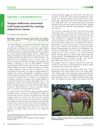
January 2007 in “Australian Veterinary Journal” A horse's sudden hair loss was caused by an allergic reaction to a coat conditioning powder.
3 citations
,
January 2021 in “Veterinary dermatology” A litter of cats had a hair condition similar to a mouse mutation, leading to hair loss and abnormal hair and skin.