 16 citations
,
August 2014 in “Archives of Pharmacal Research”
16 citations
,
August 2014 in “Archives of Pharmacal Research” Special nanoparticles increased skin absorption of hair loss treatments with fewer side effects.
 15 citations
,
May 2016 in “Die Pharmazie”
15 citations
,
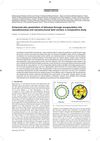
May 2016 in “Die Pharmazie” Nanostructured lipid carriers deliver lidocaine to the skin better than nanoethosomes.
 14 citations
,
November 2020 in “International Journal of Biological Macromolecules”
14 citations
,
November 2020 in “International Journal of Biological Macromolecules” Mushroom-based scaffolds help heal skin wounds and regrow hair.
 11 citations
,
February 2019 in “Frontiers in Physiology”
11 citations
,
February 2019 in “Frontiers in Physiology” Hair properties are interconnected; a comprehensive, cross-disciplinary approach is essential for understanding hair behavior.
 11 citations
,
June 2005 in “Stem Cells and Development”
11 citations
,
June 2005 in “Stem Cells and Development” Intestinal stem cells can help repair skin damage from radiation.
 9 citations
,
November 2018 in “Journal of cosmetic dermatology”
9 citations
,
November 2018 in “Journal of cosmetic dermatology” Orobanche rapum extract rejuvenates skin and protects skin bacteria, leading to healthier skin.
 9 citations
,
July 2018 in “Current Pharmaceutical Design”
9 citations
,
July 2018 in “Current Pharmaceutical Design” HO-1 helps skin health and healing but can worsen melanoma; it's a potential treatment target for skin diseases.
 8 citations
,
June 2022 in “Frontiers in bioengineering and biotechnology”
8 citations
,
June 2022 in “Frontiers in bioengineering and biotechnology” A patch made from human lung fibroblast material helps heal skin wounds effectively, including diabetic ulcers.
 6 citations
,
July 2015 in “Journal of Investigative Dermatology”
6 citations
,
July 2015 in “Journal of Investigative Dermatology” Chicken feather gene mutation helps understand human hair disorders.
 4 citations
,
January 2020 in “Cells”
4 citations
,
January 2020 in “Cells” The research found that the gene activity in mouse skin stem cells changes significantly as they age.