25 citations
,
November 2022 in “Frontiers in Bioengineering and Biotechnology” Composite biodegradable biomaterials can improve diabetic wound healing but need more development for clinical use.
 6 citations
,
July 2017 in “Clinics in Plastic Surgery”
6 citations
,
July 2017 in “Clinics in Plastic Surgery” The document concludes that individualized reconstruction plans are essential for improving function and appearance after head and neck burns.
 129 citations
,
May 2015 in “Cell Stem Cell”
129 citations
,
May 2015 in “Cell Stem Cell” Different types of stem cells exist within individual skin layers, and they can adapt to damage, transplantation, or tumor growth. These cells are regulated by their environment and genetic factors. Tumor growth is driven by expanding, genetically altered cells, not long-lived mutant stem cells. There's evidence of cancer stem cells in skin tumors. Other cells, bacteria, and genetic factors help maintain balance and contribute to disease progression. A method for growing mini organs from single cells has been developed.
12 citations
,
May 2016 in “Experimental Dermatology” A new skin model from hair follicles is a safer, simpler alternative for skin tests.
 April 2023 in “Journal of Investigative Dermatology”
 Human TMEM2 does not break down hyaluronan but helps control its metabolism.
 21 citations
,
April 2019 in “Clinical, cosmetic and investigational dermatology”
21 citations
,
April 2019 in “Clinical, cosmetic and investigational dermatology” The document concludes that stopping shaving or removing affected hair can alleviate Pseudofolliculitis barbae (PFB).
7 citations
,
April 2004 in “International Journal of Dermatology” The newborn's skin blistering is due to a genetic condition called epidermolytic hyperkeratosis.
53 citations
,
October 2003 in “Genetics” The mK6irs1/Krt2-6g gene likely causes wavy hair in mice.
5 citations
,
April 2019 in “DOAJ (DOAJ: Directory of Open Access Journals)” Stopping shaving or removing hair follicles usually resolves Pseudofolliculitis barbae.
10 citations
,
April 2013 in “Journal of Investigative Dermatology” Epidermolytic ichthyosis can be inherited in a semidominant way with mild symptoms in carriers.
 May 2025 in “Wound Repair and Regeneration”
 TSN6 peptide improves skin thickness and hair growth.
18 citations
,
February 2006 in “Genomics” A new genetic mutation in mice causes permanent hair loss and skin wrinkling.
 12 citations
,
January 2016 in “Journal of Orofacial Orthopedics / Fortschritte der Kieferorthopädie”
12 citations
,
January 2016 in “Journal of Orofacial Orthopedics / Fortschritte der Kieferorthopädie” Researchers found a new mutation in the EDA gene that likely causes missing teeth and mild skin symptoms in one family.
10 citations
,
January 1985 in “PubMed” Trace elements like calcium, iron, and zinc are unevenly distributed in hair, while sulfur is even, and increased phosphorus and potassium levels are linked to skin reactions.
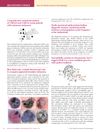 January 2012 in “Journal of Investigative Dermatology”
 Some Greek melanoma patients have gene mutations linked to increased cancer risk, a new color feature helps diagnose melanoma, the incidence of a skin condition in the Netherlands is rare, and a gene possibly affects male-pattern baldness.
 February 2026 in “Bioimpacts”
 3D bioprinted hydrogels could improve diabetic wound healing but face challenges like limited blood supply and scalability.
 April 2018 in “Journal of Investigative Dermatology”
 Culturing Dermal Papilla Cells and Hair Follicle Stem Cells in 3D conditions can significantly improve hair regeneration potential.
 January 2025 in “Medicina”
 Advanced techniques and technologies can improve burn wound healing, but more research is needed.
 5 citations
,
January 2017 in “Laboratory Animal Research”
5 citations
,
January 2017 in “Laboratory Animal Research” Gold thread implantation may help hair grow in humans and mice.
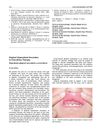 January 2010 in “Actas Dermo-Sifiliográficas”
 A woman developed thick gums from everolimus treatment after a kidney transplant.
 150 citations
,
January 2018 in “Burns & Trauma”
150 citations
,
January 2018 in “Burns & Trauma” Bioprinting could improve wound healing but needs more development to match real skin.
 1 citations
,
November 2014 in “Elsevier eBooks”
1 citations
,
November 2014 in “Elsevier eBooks” Future research should focus on making bioengineered skin that completely restores all skin functions.
 18 citations
,
August 2018 in “Facial Plastic Surgery Clinics of North America”
18 citations
,
August 2018 in “Facial Plastic Surgery Clinics of North America” Lasers, microneedling, and PRP improve skin rejuvenation and repair, with PRP enhancing the effects when combined with other treatments.
 9 citations
,
September 2017 in “Nanoscale Research Letters”
9 citations
,
September 2017 in “Nanoscale Research Letters” Graphene oxide helps deliver a skin healing agent over time, improving skin and hair follicle regeneration.
 208 citations
,
January 2013 in “Lab on a Chip”
208 citations
,
January 2013 in “Lab on a Chip” The Multi-Organ-Chip improves the growth and quality of skin and hair in the lab, potentially replacing animal testing.
 75 citations
,
January 2011 in “Plastic and Reconstructive Surgery”
75 citations
,
January 2011 in “Plastic and Reconstructive Surgery” The dermal regeneration template is effective in skin regeneration, reducing scarring, and has potential for future improvements.
 56 citations
,
March 2016 in “International Wound Journal”
56 citations
,
March 2016 in “International Wound Journal” Skin grafts are effective for chronic leg ulcers, especially autologous split-thickness grafts for venous ulcers, but more data is needed for diabetic ulcers.
 43 citations
,
July 2019 in “Stem Cells International”
43 citations
,
July 2019 in “Stem Cells International” Advancements in creating skin grafts with biomaterials and stem cells are promising, but more research is needed for clinical application.
 40 citations
,
January 2009 in “Skin Pharmacology and Physiology”
40 citations
,
January 2009 in “Skin Pharmacology and Physiology” Fetal cells could improve skin repair with minimal scarring and are a potential ready-to-use solution for tissue engineering.
 24 citations
,
September 2018 in “Journal of Materials Science: Materials in Medicine”
24 citations
,
September 2018 in “Journal of Materials Science: Materials in Medicine” Hyaluronic acid-based HA2 hydrogel helps heal skin wounds better with less scarring.