 April 2019 in “Journal of Investigative Dermatology”
 DPP4-positive fibroblasts play a major role in producing proteins that lead to skin fibrosis.
 November 2018 in “Springer eBooks”
 The document concludes that hair transplant methods are often selected for provider convenience over patient benefit, highlighting the need for less invasive techniques and careful physician involvement for better results.
 April 2018 in “Journal of Investigative Dermatology”
 BLZ-100 is safe for use in skin cancer surgery and may help identify cancerous tissue.
 April 2018 in “Journal of Investigative Dermatology”
 High amphiregulin in the skin is a bad sign for acute graft-versus-host disease.
 May 2017 in “InTech eBooks”
 Follicular Unit Extraction (FUE) is a popular hair transplant method with minimal scarring that can transplant many grafts quickly and improve appearance and psychological well-being.
 April 2017 in “Journal of Investigative Dermatology”
 Researchers created a skin graft that senses blood glucose and could treat diabetes using CRISPR-edited stem cells.
 April 2017 in “Journal of Investigative Dermatology”
 Certain mutations in the KLHL24 gene cause a skin disorder by breaking down an important skin protein.
 January 2016 in “Georg Thieme Verlag eBooks”
 Hair transplantation in East Asians needs special techniques to ensure natural results and prevent complications due to their unique hair and scalp characteristics.
 May 2015 in “Journal of The American Academy of Dermatology”
 Some people may temporarily lose more hair in certain areas after a hair transplant.
 May 2014 in “Transfusion and Apheresis Science”
 PRP is a safe natural treatment that improves skin by reducing wrinkles and enhancing texture for up to 4 months.
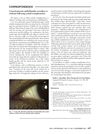 December 2012 in “Canadian journal of ophthalmology”
 Eyelash transplantation can cause eye damage and pain if not done carefully.
 January 2012 in “Elsevier eBooks”
 Hair transplantation is highly effective with careful technique and attention to patient needs.
Hair transplants can cause hair loss if done while lichen planopilaris is active; wait until it's inactive for two years and check with a scalp biopsy first.
 January 2010 in “Elsevier eBooks”
 Hair transplantation is a treatment for hair loss mainly caused by genetics, with various techniques and potential complications, and results visible after 8-12 months.
 June 2002 in “Seminars in Cutaneous Medicine and Surgery”
 Hair transplantation has improved to more natural-looking results and is complemented by effective non-surgical treatments, with ongoing research into hair follicle cloning.
 August 2001 in “Dermatologic Surgery”
 The KNU implanter for hair transplants showed a high survival rate of 90%+ for transplanted hairs after 6 months, with benefits like natural hair direction and fewer scars.
 March 1985 in “Head & Neck Surgery”
 Hair transplantation improves life quality by addressing scars, aging, and genetic flaws, but is limited by the availability of the patient's own hair for donation.
 December 2012 in “Journal of undergraduate research in Alberta”
 Elongating cilia boosts SKP stem cell renewal, especially with PDGF.
 131 citations
,
November 1998 in “The journal of investigative dermatology/Journal of investigative dermatology”
131 citations
,
November 1998 in “The journal of investigative dermatology/Journal of investigative dermatology” Skin grafts on mice can cause an immune response leading to hair loss, useful for studying human hair loss conditions.
 70 citations
,
February 2021 in “International Journal of Molecular Sciences”
70 citations
,
February 2021 in “International Journal of Molecular Sciences” Fat-derived stem cells, platelet-rich plasma, and biomaterials show promise for healing chronic skin wounds and improving soft tissue with few side effects.
 41 citations
,
June 2013 in “PLOS ONE”
41 citations
,
June 2013 in “PLOS ONE” Engineered skin substitutes can grow hair but have limitations like missing sebaceous glands and hair not breaking through the skin naturally.
 18 citations
,
June 2017 in “Proceedings of the National Academy of Sciences of the United States of America”
18 citations
,
June 2017 in “Proceedings of the National Academy of Sciences of the United States of America” A gene called Gk5 controls lipid production in the skin and affects hair growth.
 1 citations
,
January 2021
1 citations
,
January 2021 CD4+ skin cells may be precursors to basal cell carcinoma.
 June 2026 in “International Journal of Bioprinting”
 3D bioprinting shows promise for skin regeneration but needs more development to fully replicate natural skin.
 October 2023 in “bioRxiv (Cold Spring Harbor Laboratory)”
 Immune cells are essential for early hair and skin development and healing.
 January 2023 in “Frontiers research topics”
 Skin conditions can cause significant psychological distress, so addressing mental health is crucial for improving quality of life.
 April 2018 in “Deleted Journal”
 Skin grafts are a common, minimally invasive way to close wounds in dogs, but better methods are still being sought.
 31 citations
,
January 2021 in “Experimental Dermatology”
31 citations
,
January 2021 in “Experimental Dermatology” Skin organoids are a promising new model for studying human skin development and testing treatments.
 16 citations
,
December 2018 in “ACS Biomaterials Science & Engineering”
16 citations
,
December 2018 in “ACS Biomaterials Science & Engineering” The new patch made of cell matrix and a polymer improves wound healing and supports blood vessel growth.
 12 citations
,
September 2020 in “Stem cell research & therapy”
12 citations
,
September 2020 in “Stem cell research & therapy” Adult skin cell-based early-stage skin substitutes improve wound healing and hair growth in mice.