 55 citations
,
April 2010 in “Cancer and Metastasis Reviews”
55 citations
,
April 2010 in “Cancer and Metastasis Reviews” TGFβ's manipulation of inflammation and immune cells affects cancer spread, suggesting new treatment strategies and biomarkers.
 28 citations
,
January 2003 in “Urologic oncology”
28 citations
,
January 2003 in “Urologic oncology” Suppressing certain hormones might help prevent prostate cancer.
 25 citations
,
May 1994 in “Journal of Investigative Dermatology”
25 citations
,
May 1994 in “Journal of Investigative Dermatology” Researchers found a new gene, hacl-1, that is active in mouse hair follicles during hair growth and may be important for hair biology.
 20 citations
,
July 2013 in “PLoS ONE”
20 citations
,
July 2013 in “PLoS ONE” Targeting EGFR may help reduce hair loss from chemotherapy.
 19 citations
,
January 2015 in “Current problems in dermatology”
19 citations
,
January 2015 in “Current problems in dermatology” Ultraviolet rays damage hair, smoking may cause hair loss, and good nutrition is important for hair health, but genetics mainly decide hair thickness.
 9 citations
,
May 2019 in “Experimental Cell Research”
9 citations
,
May 2019 in “Experimental Cell Research” HPV genes and estradiol increase a cancer-related signaling pathway, which may be targeted for cervical cancer treatment.
 6 citations
,
February 2015 in “Anais Brasileiros de Dermatologia”
6 citations
,
February 2015 in “Anais Brasileiros de Dermatologia” Patients with mycosis fungoides have a higher risk of heart disease.
 6 citations
,
February 2012 in “American Journal of Animal and Veterinary Sciences”
6 citations
,
February 2012 in “American Journal of Animal and Veterinary Sciences” Growth factors are crucial for hair follicle growth and development.
 1 citations
,
February 2013 in “InTech eBooks”
1 citations
,
February 2013 in “InTech eBooks” Genetic mutations cause various hair diseases, and whole genome sequencing may reveal more about these conditions.
 1 citations
,
February 2009 in “Journal of Investigative Dermatology”
1 citations
,
February 2009 in “Journal of Investigative Dermatology” VEGF helps squamous cell carcinoma grow in ways beyond just blood vessel formation.
 November 2025 in “Cancer Management and Research”
 Targeting Keratin 17 may help overcome cancer therapy resistance.
 January 2024 in “Wiadomości Lekarskie”
 Bisphosphonate therapy can cause jawbone necrosis, so dental care is crucial before and during treatment.
 January 2024 in “Wiadomości Lekarskie”
 AI is advancing in dermatology and cosmetology, raising questions about its potential and trustworthiness.
 April 2020 in “International journal of clinical and diagnostic pathology”
 COX-2 and Bcl-2 proteins are involved in Lichen Planus.
 54 citations
,
January 2013 in “BMC Complementary and Alternative Medicine”
54 citations
,
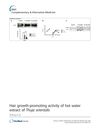
January 2013 in “BMC Complementary and Alternative Medicine” Thuja orientalis hot water extract may help hair grow by starting the growth phase and improving hair follicle development.
 23 citations
,
March 2001 in “Clinics in dermatology”
23 citations
,
March 2001 in “Clinics in dermatology” Alopecia areata involves immune response and gene changes affecting hair loss.
 21 citations
,
July 2006 in “Veterinary dermatology”
21 citations
,
July 2006 in “Veterinary dermatology” CD34 marks potential stem cells in dog hair follicles.
 109 citations
,
October 2007 in “Journal of pineal research”
109 citations
,
October 2007 in “Journal of pineal research” Melatonin helps regulate hair growth and protects the hair follicle from stress.
 31 citations
,
April 1999 in “Dermatologic Clinics”
31 citations
,
April 1999 in “Dermatologic Clinics” Nd:YAG laser can reduce hair with multiple treatments, but permanent removal isn't guaranteed.
 October 2001 in “Dermatologic Surgery”
 Cutting and implanting hair follicles can create finer, more natural-looking hairlines, with about half of the implanted hairs growing back.
 333 citations
,
February 2010 in “Cell Stem Cell”
333 citations
,
February 2010 in “Cell Stem Cell” Stem cell niches are crucial for regulating stem cell behavior and tissue health, and their decline can impact aging and cancer.
 205 citations
,
March 2012 in “Science Translational Medicine”
205 citations
,
March 2012 in “Science Translational Medicine” PGD2 stops hair growth and is higher in bald men with AGA.
 124 citations
,
February 2018 in “Nature Reviews Genetics”
124 citations
,
February 2018 in “Nature Reviews Genetics” Stem cell plasticity is crucial for wound healing but can also contribute to cancer development.
 65 citations
,
September 2004 in “The American journal of pathology”
65 citations
,
September 2004 in “The American journal of pathology” Blocking BMP signaling causes hair loss and disrupts hair growth cycles.
 61 citations
,
January 2018 in “Cosmetics”
61 citations
,
January 2018 in “Cosmetics” Coffee silverskin may be a beneficial and safe ingredient for cosmetics, offering hydration, firmness, and potential hair growth benefits.
 55 citations
,
April 2022 in “Journal of Molecular Medicine”
55 citations
,
April 2022 in “Journal of Molecular Medicine” Aging and chronic inflammation weaken the immune system, increasing cancer and infection risks.
 49 citations
,
October 2014 in “International Scholarly Research Notices”
49 citations
,
October 2014 in “International Scholarly Research Notices” Eclipta alba has many health benefits and contains compounds with potential for drug development.
 46 citations
,
August 2019 in “Journal of Ethnopharmacology”
46 citations
,
August 2019 in “Journal of Ethnopharmacology” Eclipta prostrata has many traditional uses and health benefits, but more research is needed to understand how it works and ensure it's safe.
 38 citations
,
June 2015 in “Expert Opinion on Therapeutic Targets”
38 citations
,
June 2015 in “Expert Opinion on Therapeutic Targets” Blocking the prolactin receptor might help treat various diseases, but more research is needed.
 38 citations
,
December 2009 in “Therapeutic Advances in Medical Oncology”
38 citations
,
December 2009 in “Therapeutic Advances in Medical Oncology” The conclusion suggests that prostate cancer should be classified by castration status and that new therapies targeting androgen receptor signaling show promise.