 1 citations
,
January 2023 in “IEEE access”
1 citations
,
January 2023 in “IEEE access” Deep learning helps detect skin conditions and is advancing dermatology diagnosis and treatment.
1 citations
,
May 2021 in “Research journal of topical and cosmetic sciences” Muttaijow ComplexTM improved skin, hair, and nail health in middle-aged adults.
 1 citations
,
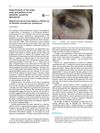
January 2015 in “Actas dermo-sifiliográficas/Actas dermo-sifiliográficas”
1 citations
,
January 2015 in “Actas dermo-sifiliográficas/Actas dermo-sifiliográficas” Latanoprost eye drops caused excessive cheek hair growth and eyelash whitening in a woman.
 November 2025 in “Advances in Education Humanities and Social Science Research”
 Some cosmetic ingredients can harm health, causing issues like allergies, cancer, and skin problems.
 July 2025 in “Cosmoderma”
 The plant-based supplement improved hair, skin, and nail health and boosted well-being without side effects.

Herbal hair oil promotes hair growth, reduces hair fall, and improves scalp health without side effects.
 January 2025 in “Journal of Pharmaceutical Research Science & Technology”
 Dissolving microneedles offer efficient, minimally invasive drug delivery through the skin.

Regenerative cosmetics can improve skin and hair by reducing wrinkles, healing wounds, and promoting hair growth.
 October 2023 in “Cognizance journal”
 The document suggests using natural remedies like bloodletting and honey for various health issues but lacks scientific evidence for their effectiveness.
 October 2023 in “International Journal of Cosmetic Science”
 WS Biotin, a new form of D-Biotin, improves water solubility and shows potential for hair and skin care without being toxic at low levels.
 July 2023 in “Journal of Education, Health and Sport”
 Fractional microneedle radiofrequency is a safe and effective skin treatment with minimal serious side effects.
 March 2022 in “International Journal of Current Science Research and Review”
 Chronic ketosis in cows causes appetite changes, anemia, skin issues, increased pulse, and biochemical imbalances.
May 2021 in “Research journal of topical and cosmetic sciences” TrichovitalsTM improved skin, hair, and nail health in adults after 12 weeks.
 May 2021 in “Journal of emerging technologies and innovative research”
 The polyherbal hair oil effectively treats hair problems with fewer side effects.

Men's skincare products with essential oils can improve skin health and may increase male interest in cosmetics.
 January 2019 in “LASER THERAPY”
 Laser technologies improve medical treatments and outcomes.
 December 2024 in “Cell Communication and Signaling”
 Fat tissue vesicles protect skin from UV damage better than stem cell vesicles.
578 citations
,
April 1993 in “Cell” TGFα gene mutation in mice causes abnormal skin, wavy hair, curly whiskers, and sometimes eye inflammation.
 471 citations
,
October 2012 in “Cellular and Molecular Life Sciences”
471 citations
,
October 2012 in “Cellular and Molecular Life Sciences” Understanding developmental pathways can improve wound healing treatments.
 403 citations
,
November 2005 in “Journal of Endocrinology”
403 citations
,
November 2005 in “Journal of Endocrinology” Dehydroepiandrosterone (DHEA) is a prohormone important for producing sex steroids and has potential health benefits.
 243 citations
,
September 2016 in “Dermatology and Therapy”
243 citations
,
September 2016 in “Dermatology and Therapy” Dermoscopy is a useful tool for identifying features of skin conditions, but more research is needed to define its role in dermatology.
 175 citations
,
November 2009 in “PLOS ONE”
175 citations
,
November 2009 in “PLOS ONE” Women look young for their age due to larger lips, less sun damage, and genes that prevent gray hair and wrinkles.
 165 citations
,
June 2007 in “European Journal of Cell Biology”
165 citations
,
June 2007 in “European Journal of Cell Biology” Hair follicle stem cells are key for hair and skin regeneration, can be reprogrammed, and have potential therapeutic uses, but also carry a risk of cancer.
 141 citations
,
November 2005 in “International journal of pharmaceutics”
141 citations
,
November 2005 in “International journal of pharmaceutics” Hair follicles may soon be used more for targeted and systemic drug delivery.
 115 citations
,
January 2014 in “Journal of Cutaneous and Aesthetic Surgery”
115 citations
,
January 2014 in “Journal of Cutaneous and Aesthetic Surgery” Platelet-rich plasma (PRP) is a cheap and easy treatment for hair loss, but not suitable for everyone. It also helps in healing ulcers, rejuvenating skin, and improving hair transplants.
 108 citations
,
August 2017 in “Clinical, Cosmetic and Investigational Dermatology”
108 citations
,
August 2017 in “Clinical, Cosmetic and Investigational Dermatology” Microneedling is promising for treating various skin issues but needs more research to confirm its effectiveness and safety.
 108 citations
,
July 2002 in “Molecular and cellular biology”
108 citations
,
July 2002 in “Molecular and cellular biology” Overexpressing Dsg3 in mice skin causes excessive cell growth and abnormal skin development.
 91 citations
,
January 2009 in “International Journal of Trichology”
91 citations
,
January 2009 in “International Journal of Trichology” Different hair evaluation methods have their own pros and cons, and using multiple methods together is best for accurate hair loss diagnosis and tracking.
 87 citations
,
August 2017 in “Scientific Reports”
87 citations
,
August 2017 in “Scientific Reports” The nanofiber scaffolds improved skin wound healing by supporting cell growth and tissue repair.
 72 citations
,
October 1998 in “Baillière's clinical endocrinology and metabolism”
72 citations
,
October 1998 in “Baillière's clinical endocrinology and metabolism” Long-term testosterone therapy can cause hormone suppression, affect prostate and heart health, and alter physical characteristics, but does not increase prostate cancer risk and needs more research for full risk assessment.