
Scalp flaps in hair restoration surgery provide immediate results, prevent temporal hair loss, offer great density, and allow for large hair re-allocation, making them a popular choice, especially in Asian countries.
 6 citations
,
May 2004 in “Dermatologic Surgery”
6 citations
,
May 2004 in “Dermatologic Surgery” The article concludes that using the single-scar technique for hair transplants can result in a more attractive scar and that concerns about the technique can be managed with proper methods.
 June 2004 in “Dermatologic Surgery”
 The single-scar technique in hair transplantation minimizes scarring and preserves hairs for future use, with proper training overcoming its perceived drawbacks.
 10 citations
,
May 2009 in “Journal of The American Academy of Dermatology”
10 citations
,
May 2009 in “Journal of The American Academy of Dermatology” Technique effectively reconstructs large scalp defects with minimal hair loss and visible scarring.
June 2004 in “Dermatologic Surgery” Mixing different sizes of hair follicles during hair restoration surgery can give excellent results, save time, and cause less damage.
 10 citations
,
January 2007 in “Dermatologic Surgery”
10 citations
,
January 2007 in “Dermatologic Surgery” New scalp surgery technique results in thinner, less visible scars.
 August 1998 in “Dermatologic Surgery”
 Dr. George A. Farber recommends using follicular unit transplantation for hair restoration because it gives a more natural look and has fewer problems compared to the older miniflap technique.
 2 citations
,
May 2005 in “Seminars in Plastic Surgery”
2 citations
,
May 2005 in “Seminars in Plastic Surgery” The Juri Temporo-Parieto-Occipital Flap is a good option for scalp reconstruction and hairline restoration with a natural look, despite some risk of necrosis and scarring.
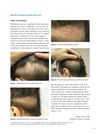 11 citations
,
June 2008 in “Dermatologic Surgery”
11 citations
,
June 2008 in “Dermatologic Surgery” Transplanting chest hair into scalp scars may effectively treat wide donor scars in hair restoration.
 June 1997 in “The American Journal of Cosmetic Surgery”
 Reharvesting hair from donor sites using punch and strip methods can provide more hair for transplants and improve scar appearance.
2 citations
,
March 2023 in “Aesthetic Plastic Surgery” The new hair transplant method reduces scarring and wastage by combining two techniques.
 December 2023 in “Clinical, cosmetic and investigational dermatology”
 The new hair transplant technique is fast, effective, and satisfying for patients with different hair types.
 34 citations
,
October 2004 in “Plastic and Reconstructive Surgery”
34 citations
,
October 2004 in “Plastic and Reconstructive Surgery” Nasolabial skin-fat grafts are good for nasal reconstruction with minimal scarring and no need for bolsters, but smoking may affect graft survival.
 January 2022 in “Plastic and Aesthetic Research”
 Choose the simplest, most fitting scalp reconstruction method for each patient's unique needs.
 1 citations
,
December 2015 in “Dermatologic Surgery”
1 citations
,
December 2015 in “Dermatologic Surgery” Double trichophytic closure effectively treats thin scalp scars and reduces patient costs.
 5 citations
,
May 2004 in “Dermatologic Surgery”
5 citations
,
May 2004 in “Dermatologic Surgery” A hair restoration technique was introduced that mixes different types of hair groupings to reduce procedure time, limit damage, and potentially increase hair density, suggesting more hair can be transplanted than previously thought.
88 citations
,
January 2010 in “Escritura pública” A combined strip and FUE method with careful planning improves hair restoration results.
 January 2020 in “Modern Plastic Surgery”
 The traditional method of estimating skin graft success by looking is generally reliable but less so for inexperienced observers and in certain wound conditions.
 December 2015 in “Dermatologic Surgery”
 Double trichophytic closure effectively repairs thin scalp scars, reducing financial burden.
Transplanting beard hair into a scalp wound after hair transplant surgery improves scar appearance and hair keeps its normal traits.
 March 2013 in “CRC Press eBooks”
 Follicular unit transplantation, a hair restoration technique using small hair grafts, was pioneered by Bob Limmer in the late 1980s and is still widely used today with minor improvements.
 October 2023 in “Facial Plastic Surgery”
 The FUE-LE technique combines two hair transplant methods to improve graft yield without needing a large team or extra costs.
 9 citations
,
January 1974 in “Leprosy Review”
9 citations
,
January 1974 in “Leprosy Review” Punch grafting is useful for restoring hair to the inner eyebrow area after certain surgeries.
1 citations
,
January 2025 in “Head & Neck” The snail flap technique is an easy, reliable, and hair-preserving method for scalp reconstruction, especially good for elderly or frail patients.
 7 citations
,
June 2004 in “Dermatologic Surgery”
7 citations
,
June 2004 in “Dermatologic Surgery” A new hair transplant method combines individual and group follicles for better results and efficiency.
March 2025 in “Journal of Burn Care & Research” The hemostatic net improves skin graft success and reduces complications.
January 2001 in “Chinese Journal of Medical Aesthetics and Cosmetology” Micrografts can grow natural hair and most patients are satisfied, but some need multiple procedures.
 3 citations
,
June 1998 in “Dermatologic Surgery”
3 citations
,
June 1998 in “Dermatologic Surgery” New instruments were introduced to make hair transplantation surgery more precise and improve graft survival.
A wavy two-layer closure in hair transplants makes scars nearly invisible for most patients.
 October 2001 in “Dermatologic Surgery”
 Cutting and implanting hair follicles can create finer, more natural-looking hairlines, with about half of the implanted hairs growing back.