 December 2021 in “International Journal of Science and Research (IJSR)”
 Ayurveda links hair loss to imbalances in body energies, offering insights beyond modern treatments.
 October 2021 in “Dermatology practical & conceptual”
 A Saudi girl was diagnosed with Loose Anagen Hair Syndrome, a rare condition causing easy hair loss without scarring.
 June 2021 in “Research Square (Research Square)”
 The exact identity of skin stem cells and how skin cells differentiate is not fully known.
 January 2020 in “Asian journal of applied science and technology”
 Good nutrition is crucial for health and preventing disease, and supplements can help prevent nutrient deficiencies.
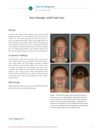 July 2019 in “Journal der Deutschen Dermatologischen Gesellschaft”
 A mother and daughter have a rare genetic hair loss disorder with no effective treatment.
 April 2019 in “International journal of research in dermatology”
 A child with rough nails also had hair loss and allergies.
 May 2018 in “Academic Medicine”
 Hair loss can cause significant emotional and psychological distress.
 March 2018 in “Journal of Pakistan Association of Dermatology”
 Vibration anesthesia effectively reduces pain during hair restoration surgery.
 April 2017 in “International journal of research in Ayurveda and pharmacy”
 Ayurvedic methods can help reduce the harmful effects of chemicals in cosmetics.
 March 2017 in “Trichology and cosmetology:”
 Cosmetic procedures can improve skin appearance and boost confidence.
 July 2016 in “Indiana Magazine of History (Indiana University)”
 A combination of dietary changes, lifestyle adjustments, acupuncture, and herbal treatment improved hair growth by 70%.
 May 2015 in “Endocrinología y nutrición”
 The conclusion is that adult males with muscle weakness and hormonal imbalances should be tested for Kennedy's disease.
 July 2014 in “Disease-a-Month”
 The document gives treatment advice for various skin conditions, like using metronidazole for perioral dermatitis and minoxidil for hair loss.
 May 2014 in “Journal of Investigative Dermatology”
 Scientists developed tools to observe hair regeneration in real time and assess skin health, using glowing mice and light-controlled genes.
 November 2012 in “Econometric Theory”
 Herman Bierens had a successful career in econometrics, contributed to education, and plans to continue research after retirement.
 July 2012 in “Springer eBooks”
 The document concludes that proper diagnosis and treatment of nonscarring alopecias can improve quality of life and hair regrowth is possible as the hair follicle remains intact.
 April 2012 in “Informa Healthcare eBooks”
 Telogen effluvium is a common hair loss condition where many hairs enter the resting phase, often not noticeable until significant loss occurs, and treatment focuses on the underlying cause.
 February 2009 in “Springer eBooks”
 Hyperpigmentation is common in pregnancy and may not fully fade after birth; melasma, also frequent, can persist but has limited treatment options during pregnancy.
 July 2008 in “Baylor University Medical Center Proceedings”
 Global oil use will rise, US corn-to-ethanol policy is flawed, and various social and economic issues need attention.
 May 2003 in “Journal of Investigative Dermatology”
 The meeting covered advances in understanding hair growth, causes of hair loss, and potential treatments.
 July 2002 in “Australasian Journal of Dermatology”
 Maintaining anticoagulation is crucial for patients with antiphospholipid syndrome.
 July 2002 in “Australasian Journal of Dermatology”
 A woman with lupus had hair loss and skin issues that were successfully treated with medications.
 January 1999 in “Current Problems in Pediatrics”
 Swimming in Lake Malawi can lead to schistosomiasis, hepatitis B vaccine might cause temporary hair loss, and certain drinks affect kidney stone risk.
 October 1997 in “Dermatologic Surgery”
 The Epilight Hair Removal System is effective for temporary hair removal with few side effects, but more research is needed to confirm its safety and long-term results.
 September 1997 in “JEADV. Journal of the European Academy of Dermatology and Venereology/Journal of the European Academy of Dermatology and Venereology”
 Psychological factors play a significant role in developing alopecia areata.
Alopecia areata often starts around age 23, can be permanent in 30% of cases, and treatments are usually temporary.
 June 1930 in “Archives of dermatology”
 Dermatological conditions are complex, and treatments have mixed results.
 November 2019 in “Quality in primary care”
 Scalp micropigmentation is a tattooing method that can mimic a full head of hair without surgery and has no healing time.

Topical minoxidil helps treat hair loss in teens, but more research needed for safe options.
 January 2015 in “Journal of Cytology and Histology”
 Hair loss in Androgenetic Alopecia is not caused by damage to follicular stem cells.