
Deleting Smad4 and PTEN genes in mice causes rapid, invasive forestomach cancer.
2 citations
,
December 2013 in “Cancer research” Enobosarm may effectively treat androgen receptor-positive breast cancer with fewer side effects.
The document concluded that certain compounds might strongly bind to and potentially inhibit a key SARS-CoV-2 protein, but further testing is needed.

The document explains how certain drugs block hormones to treat cancers like breast and prostate cancer.
 1 citations
,
January 2003 in “Expert Opinion on Therapeutic Patents”
1 citations
,
January 2003 in “Expert Opinion on Therapeutic Patents” Steroid sulfatase inhibitors could potentially treat hormone-related disorders like certain cancers, hair loss, acne, and improve cognitive dysfunction.
 September 2025 in “Experimental & Molecular Medicine”
 Small molecules KY19382 and KY19334 may help treat skin cancer by reducing CDK1 levels and blocking harmful cell signals.
 4 citations
,
October 2018 in “Asia-Pacific Journal of Clinical Oncology”
4 citations
,
October 2018 in “Asia-Pacific Journal of Clinical Oncology” CDK4/6 inhibitors have improved treatment outcomes for certain advanced breast cancer patients.
1 citations
,
January 2003 in “Urologia Internationalis” Finasteride, selenium, and vitamin E may help prevent prostate cancer.
![Discovery of 7-Methoxy-6-[4-(4-Methyl-1,3-Thiazol-2-yl)-1H-Imidazol-5-yl]-1,3-Benzothiazole (TASP0382088): A Potent and Selective Transforming Growth Factor-β Type I Receptor Inhibitor as a Topical Drug for Alopecia](/images/assets/9620bd26-3366-4f2a-bcac-f511697bbc41/small/35997.jpg) 6 citations
,
January 2013 in “Chemical & pharmaceutical bulletin/Chemical and pharmaceutical bulletin”
6 citations
,
January 2013 in “Chemical & pharmaceutical bulletin/Chemical and pharmaceutical bulletin” A new compound shows promise as a topical treatment for hair loss.
 14 citations
,
June 2021 in “Expert Opinion on Therapeutic Patents”
14 citations
,
June 2021 in “Expert Opinion on Therapeutic Patents” New patents show progress in developing drugs targeting the Wnt pathway for diseases like cancer and hair loss.
11 citations
,
December 2013 in “Clinical and Experimental Dermatology” Sorafenib often causes skin side effects, indicating effective cancer treatment.
 49 citations
,
January 2004 in “Journal of steroid biochemistry and molecular biology/The Journal of steroid biochemistry and molecular biology”
49 citations
,
January 2004 in “Journal of steroid biochemistry and molecular biology/The Journal of steroid biochemistry and molecular biology” Selective non-steroidal inhibitors of 5α-reductase type 1 can help treat DHT-related disorders.
 4 citations
,
September 2020 in “Cell division”
4 citations
,
September 2020 in “Cell division” XMU-MP-1 stops cell growth in a human mini-organ and reduces the effectiveness of the chemotherapy drug paclitaxel.
2 citations
,
September 2025 in “Frontiers in Endocrinology” SARMs show promise but need more evidence to prove they're better than traditional androgens.
 16 citations
,
December 2012 in “Bioinformation”
16 citations
,
December 2012 in “Bioinformation” Curcumin, EGCG, barringtozenol, and finasteride are effective VEGFR inhibitors.
 1 citations
,
November 2023 in “BMC chemistry”
1 citations
,
November 2023 in “BMC chemistry” Tadalafil and Finasteride may help treat aggressive melanoma.
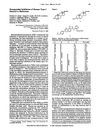 89 citations
,
February 1993 in “Journal of Medicinal Chemistry”
89 citations
,
February 1993 in “Journal of Medicinal Chemistry” New compounds called benzoquinolinones may treat conditions linked to excess DHT.

Deleting Smad4 and PTEN genes in mice causes rapid, invasive stomach cancer.
 April 2017 in “Journal of Investigative Dermatology”
 HPH-15, a new compound, effectively reduces skin fibrosis in experiments without causing harm.
10 citations
,
November 2017 in “Letters in drug design & discovery” Researchers identified promising inhibitors for the BRD4 protein, including finasteride and amentoflavone.
 August 2013 in “Nature Reviews Drug Discovery”
 New treatments may restore cancer-blocking proteins, slow prostate cancer, identify drug targets, and potentially regrow hair.
 April 2016 in “Journal of Investigative Dermatology”
 MEK and BRAF inhibitors increase sebum production and accumulation, which could cause acne-like side effects.
108 citations
,
April 2004 in “Medicinal Research Reviews” Steroid sulfatase inhibitors could help treat hormone-related disorders and cancers.
10 citations
,
August 2020 in “Acta histochemica” All-trans-retinoic acid stops mink hair growth by affecting cell growth and causing cell death.
 51 citations
,
May 2013 in “The Journal of Steroid Biochemistry and Molecular Biology”
51 citations
,
May 2013 in “The Journal of Steroid Biochemistry and Molecular Biology” Certain drugs that block specific enzymes can help treat prostate diseases.
28 citations
,
November 2004 in “Endocrinology” SARMs may offer benefits by boosting muscle effects without unwanted side effects.
September 2002 in “Oncology Times” Promising cancer treatments were found, but the manufacturer closed.
1 citations
,
January 2025 in “Medicine” Targeting SOX proteins may improve cancer treatment by restoring immune function.
4 citations
,
January 2023 in “Marine Drugs” Marine compounds from gorgonians and soft corals show promise for drug development, especially for chronic disorders.
 6 citations
,
April 2013 in “Current Dermatology Reports”
6 citations
,
April 2013 in “Current Dermatology Reports” Dermatologists are crucial for managing skin side effects in metastatic melanoma patients using vemurafenib and ipilimumab.