March 2022 in “Journal of Investigative Dermatology” Discoid Lupus Erythematosus causes scalp plaques that can lead to hair loss, and antimalarial drugs are effective treatments.
March 2021 in “Medico-Legal Update” The androgen receptor gene doesn't affect women with recurrent spontaneous abortions, but having a mutant genotype might protect against it.
December 2020 in “The journal of investigative dermatology/Journal of investigative dermatology” Papulopustular rosacea is an inflammatory skin condition treatable with lifestyle changes and medications.
May 2020 in “The journal of investigative dermatology/Journal of investigative dermatology” BIVV009 is a safe treatment for bullous pemphigoid that reduces C3 deposition without harmful side effects.
 July 2019 in “Journal of Investigative Dermatology”
 The research found that male pattern hair loss is mostly genetic and involves hair thinning due to hormonal effects and changes in gene expression.
November 2018 in “Journal of Investigative Dermatology” Lichen Planopilaris causes irreversible hair loss due to immune attacks on hair stem cells, but modulating PPAR-γ might help treat it.
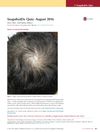
 August 2018 in “Journal of Investigative Dermatology”
 Tofacitinib may help regrow hair in alopecia areata patients.
January 2018 in “Journal of Investigative Dermatology” Blocking certain pathways with kinase inhibitors may help treat cutaneous lupus erythematosus.
October 2017 in “Journal of Investigative Dermatology” Pemphigus vulgaris involves specific immune cells and B cells that produce antibodies causing skin blisters.
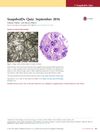 August 2016 in “Journal of Investigative Dermatology”
 Scalp psoriasis features reversible hair loss and specific immune activation, with no significant hair follicle damage.
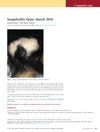
 July 2016 in “Journal of Investigative Dermatology”
 Balding scalps show different gene expressions affecting hair growth compared to non-balding scalps.
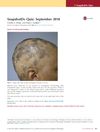
 February 2016 in “The journal of investigative dermatology/Journal of investigative dermatology”
 JAK inhibitors may help treat alopecia areata by reversing hair loss.
 May 2015 in “Journal of Dermatological Science”
 Researchers found a new area on chromosome 2 linked to a genetic hair loss condition.
October 2014 in “Dialnet (Universidad de la Rioja)” Snail2 is crucial for hair growth and affects skin cancer development.
The scant hair in snthr-1Bao mice is likely caused by a deletion affecting the Plcd1 gene.
March 2004 in “Journal of Investigative Dermatology” Razor bumps are linked to a genetic variant, misoprostol helps erythromelalgia pain, steroid ointments don't affect skin rhythms, and certain antibodies are common in localized scleroderma.
April 2022 in “Journal of Investigative Dermatology” Androgenetic alopecia causes hair thinning due to increased androgen activity, treatable with minoxidil and finasteride.
Genetic differences may influence male pattern hair loss in Russians.
 March 2011 in “European Urology Supplements”
 Gene variation affects prostate issues and hair loss.
31 citations
,
December 2012 in “British Journal of Dermatology” Korean women's hair thins, weakens, and greys with age, with mineral and sterol changes.
64 citations
,
October 2018 in “Thérapie” Enriching the French health care database with external data greatly improved its usefulness.
 28 citations
,
May 2017 in “Molecular ecology”
28 citations
,
May 2017 in “Molecular ecology” Researchers found genes that control hair color and growth change before the visible coat color changes in snowshoe hares.
 8 citations
,
February 2015 in “Cellular immunology”
8 citations
,
February 2015 in “Cellular immunology” Deleting Snai2 and Snai3 causes fatal autoimmunity.
 4 citations
,
March 2012 in “European journal of wildlife research”
4 citations
,
March 2012 in “European journal of wildlife research” Wire brush snares are best for collecting Eurasian Lynx hair for DNA analysis.
1 citations
,
October 2024 in “Journal of Cosmetic Dermatology” Minoxidil is the most recommended treatment for hair loss on YouTube Shorts.
1 citations
,
May 2003 in “The journal of investigative dermatology/Journal of investigative dermatology” A hormone affects hair growth, certain molecules may prevent skin damage, a skin disease is linked to immune cells, glycerol helps skin hydration, and psoriasis treatment trials need improvement.
1 citations
,
March 2003 in “Journal of Investigative Dermatology” Early sunburn treatment with certain inhibitors may reduce skin cancer risk.
January 2013 in “Tampere University Institutional Repository (Tampere University)” Tudor-SN is important for immune cells, and polyamines can promote hair growth.
 November 2023 in “Deleted Journal”
 Multimedia education greatly improves women's knowledge and management of PCOS.
January 2018 in “Bradford Scholars (University of Bradford)” SWI/SNF complexes are crucial for wound healing but not for hair growth.