8 citations
,
November 2020 in “Journal of the European Academy of Dermatology and Venereology” COVID-19 led to fewer dermatology admissions in Hubei, China, with more severe cases and increased eczema due to mask use and hand disinfectants.
 44 citations
,
March 2020 in “Journal of the European Academy of Dermatology and Venereology”
44 citations
,
March 2020 in “Journal of the European Academy of Dermatology and Venereology” The pandemic has pushed dermatology education and care to adopt digital solutions, which are effective and likely to continue post-pandemic.
 6 citations
,
October 2020 in “Journal of the European Academy of Dermatology and Venereology”
6 citations
,
October 2020 in “Journal of the European Academy of Dermatology and Venereology” Teletrichoscopy is a promising method for diagnosing hair disorders remotely during the COVID-19 pandemic.
24 citations
,
June 2020 in “Journal of the American Academy of Dermatology” Patients reduced searches for dermatology issues during COVID-19, indicating a need for better telehealth services.
 1 citations
,
December 2020 in “Journal of Experimental Biology and Agricultural Sciences”
1 citations
,
December 2020 in “Journal of Experimental Biology and Agricultural Sciences” COVID-19 is caused by a virus from bats, and efforts focus on prevention and treatment research.
October 2025 in “Journal of the European Academy of Dermatology and Venereology” People often have negative attitudes towards facial skin conditions, with vitiligo seen most positively and psoriasis viewed most negatively.
 January 2024 in “International Journal of Biology Sciences”
 Targeted interventions based on gender, education, and age can improve COVID-19 healthcare responses.
 June 2022 in “Journal of the turkish academy of dermatology”
 The COVID-19 quarantine in Turkey disrupted dermatological care, increased stress-related skin issues, and showed the need for psychological support and teledermatology.
January 2021 in “Clinical dermatology review” Teledermatology is crucial and effective for remote skin care in India.

The workshop promoted better medicine use and health practices through global collaboration.

The workshop successfully promoted better medicine use and international collaboration.
 July 2020 in “Scholarly Journal of Psychology and Behavioral Sciences”
 The pandemic highlighted the need for accurate information, vaccine development, and adapting to new routines while managing stress and misinformation.
Local hairline measurements are important for better surgical results and early disease detection in Colombian women.
January 2020 in “Proyecto de investigación:” Longer anogenital distance may indicate a higher chance of having polycystic ovary syndrome, and measuring this distance along with hormone levels could improve diagnosis.
 26 citations
,
October 2021 in “Current Dermatology Reports”
26 citations
,
October 2021 in “Current Dermatology Reports” Social media is increasingly used in dermatology for education and networking but has risks like misinformation and privacy issues.
28 citations
,
February 2021 in “Open Forum Infectious Diseases” African Americans faced worse COVID-19 outcomes due to a mix of social, environmental, and biological factors.
 October 2023 in “The Open public health journal”
 Alopecia greatly affects Greek women's daily life, relationships, and self-image, with mixed social support and dissatisfaction with treatments.
 8 citations
,
March 2019 in “Progress in Human Geography”
8 citations
,
March 2019 in “Progress in Human Geography” Hair significantly shapes body identity and social interactions, influencing how we perceive and relate to our bodies.
 January 2020 in “World Social Psychiatry”
 A global, inclusive approach is needed to address COVID-19 and protect vulnerable groups.
20 citations
,
April 2023 in “Frontiers in Public Health” Psychological and social responses to scars can indicate mental health risks.
1 citations
,
October 2025 in “Biology of Sex Differences” Gender and social factors, not just biology, affect COVID-19 death rates.
 November 2024 in “The Medical Journal of Australia”
 Long COVID has severely affected a couple's health, finances, and social life.
 8 citations
,
September 2017 in “The Journal for Nurse Practitioners”
8 citations
,
September 2017 in “The Journal for Nurse Practitioners” Most women with PCOS use positive coping strategies, but some with more psychological stress use negative ones.
Vaccination is crucial for public health, but anti-vaccine movements are a concern.
 January 2023 in “Brazilian Journals Editora eBooks”
 Passiflora incarnata may help with anxiety but has risks and drug interactions.
There's a genetic link between Fragile X Syndrome and Autism Spectrum Disorder.
6.7% of urine cultures showed hospital-acquired urinary tract infections.
Children used screens more during COVID-19, causing various health complaints.
Autism Spectrum Disorder is often underdiagnosed in females.
Dissociative disorders in childhood sexual abuse victims are more common in males.
Most pregnant teenagers are not dissatisfied with their body image but worry about weight.
Diagnosing tuberculosis after knee surgery is challenging due to non-specific symptoms.
Post-COVID-19 syndrome is more common in older, severely affected patients.
Psychiatrists should be part of pain management teams due to the psychological aspects of pain.
 March 2021 in “The British Journal of Psychiatry”
 Countries with stricter cultures had fewer COVID-19 cases and deaths, paranoia is linked to false memories, psychosocial intervention works as well with or without antipsychotic drugs for young people with psychosis, smartphones can detect changes in behavior indicating illness relapse, and recruitment agents show regional and gender biases.
 1 citations
,
July 2021 in “Journal of The American Academy of Dermatology”
1 citations
,
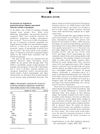
July 2021 in “Journal of The American Academy of Dermatology” Face mask-related injuries in U.S. emergency departments rose by 2400% during the COVID-19 pandemic, with most injuries being dermatitis and lacerations.
 January 2024 in “ARC Journal of Dermatology”
 During the COVID-19 pandemic, dermatology visits decreased, especially among older patients, patients of color, men, and those with chronic conditions.
 November 2021 in “Egyptian Journal of Medical Microbiology”
 COVID-19 protective measures led to skin irritation, hair loss, and brittle nails; using skin-friendly products and a healthy diet is recommended.
 39 citations
,
June 2020 in “Dermatologic Therapy”
39 citations
,
June 2020 in “Dermatologic Therapy” The COVID-19 pandemic led to an increase in untreated hair diseases and showed the importance of teledermatology.