18 citations
,
January 2018 in “BMC dermatology” A new mutation in the PLEC gene causes a rare condition with skin blistering, muscle weakness, and hair loss.
76 citations
,
January 1998 in “Mammalian Genome” 2 citations
,
May 2023 in “Veterinary Pathology” Understanding genetic variations in mice is crucial for studying skin, hair, or nail abnormalities.
8 citations
,
January 2006 in “Dermatology Online Journal” The girl's skin condition is benign but challenging to treat due to its size and location.
89 citations
,
March 1996 in “Proceedings of the National Academy of Sciences” CD18-deficient mice developed psoriasis-like skin disease, useful for studying inflammatory skin disorders.
May 2022 in “The journal of investigative dermatology/Journal of investigative dermatology” Loss of TET2 increases the risk of skin and oral cancer.
 1 citations
,
April 2016 in “British Journal of Dermatology”
1 citations
,
April 2016 in “British Journal of Dermatology” Buschke-Ollendorff syndrome is a rare genetic disorder causing skin and bone changes, with some cases also showing ADHD or developmental delays.
 1 citations
,
August 2023 in “Genome research”
1 citations
,
August 2023 in “Genome research” The spiny mouse regenerates ear tissue asymmetrically, with gene expression differences possibly explaining its unique healing abilities.
 24 citations
,
November 2016 in “Cell death and disease”
24 citations
,
November 2016 in “Cell death and disease” Skin-derived stem cells can become various cell types, including germ cell-like and oocyte-like cells.
89 citations
,
May 2005 in “Stem Cells” Mouse skin has special cells in the epidermis that decrease with age and are linked to keratinocyte stem cells.
June 2008 in “The Knowledge Bank (The Ohio State University)” Smad2 and Smad3 are essential for normal skin development, and their absence causes severe skin issues and cancer.
 April 2023 in “Journal of Investigative Dermatology”
 Mutations in the SHH pathway in certain skin cells can cause skin tumors and abnormal hair growth.
 66 citations
,
December 2014 in “Nature Communications”
66 citations
,
December 2014 in “Nature Communications” Fibroblasts can be turned into melanocytes for potential skin treatments.
27 citations
,
July 1983 in “Journal of Investigative Dermatology”  29 citations
,
July 2014 in “PloS one”
29 citations
,
July 2014 in “PloS one” Meis1 is crucial for skin health and tumor development.
January 2026 in “Annals of Pathology and Laboratory Medicine” Accurate diagnosis of rare pilomatrix carcinoma is crucial for effective treatment.
7 citations
,
February 2012 in “Journal of cutaneous pathology” The document describes previously unreported unique skin changes in a rare genetic disorder called Hereditary mucoepithelial dysplasia.
3 citations
,
March 2013 in “American Journal of Dermatopathology” Ossification in trichilemmal cysts is more common than previously believed.
 June 2023 in “British journal of dermatology/British journal of dermatology, Supplement”
 A girl with Becker naevus syndrome has a genetic variant in the ACTB gene related to her symptoms.
August 2025 in “Dermatopathology” Pilomatricomas are often linked to genetic syndromes, especially Apert syndrome, and genetic analysis is crucial for diagnosis.
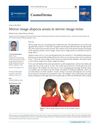
Mirror-image twins can have alopecia areata on opposite sides of their heads.
22 citations
,
May 2007 in “Molecular Biotechnology” 2 citations
,
September 2021 in “JAAD case reports” A man with a weakened immune system was diagnosed with a rare skin condition called trichodysplasia spinulosa using skin examination techniques.
November 2024 in “Journal of Investigative Dermatology” Blocking the JAK/STAT pathway may help reduce skin sensitivity in Xeroderma pigmentosum.
 November 2024 in “NeoReviews”
 Pallister-Killian Syndrome is a complex genetic disorder requiring coordinated care and genetic counseling.
13 citations
,
October 2000 in “International Journal of Dermatology” A 6-year-old boy in India was diagnosed with Bloom's syndrome, showing growth and developmental issues, and skin problems worsened by sunlight.
35 citations
,
May 2006 in “Journal of Investigative Dermatology” Monilethrix involves multiple genes affecting hair structure, including DSG4 mutations.
53 citations
,
October 2003 in “Genetics” The mK6irs1/Krt2-6g gene likely causes wavy hair in mice.
16 citations
,
July 2021 in “American Journal of Medical Genetics Part A” Mutations in the LSS gene cause hair loss and may affect brain development, with varying severity.
2 citations
,
August 2020 in “CRC Press eBooks” Tabby mutations in mice affect hair follicle development and help study genetic mapping and certain medical conditions.