2 citations
,
September 2021 in “JAAD case reports” A man with a weakened immune system was diagnosed with a rare skin condition called trichodysplasia spinulosa using skin examination techniques.
June 2025 in “Cell Metabolism” Serine is vital for hair follicle stem cells to balance hair growth and skin repair.
 June 2022 in “Research Square (Research Square)”
 Lipid peroxidation may worsen social behavior issues in autism.
13 citations
,
August 2005 in “Journal of Investigative Dermatology Symposium Proceedings” Mutations in the DSG4 gene cause fragile, sparse hair in humans, mice, and rats.
 April 2017 in “The journal of investigative dermatology/Journal of investigative dermatology”
 Astrotactin2 affects hair follicle orientation and skin cell polarity.
Deleting Smad4 and PTEN genes in mice causes rapid, invasive stomach cancer.
 March 2023 in “Scientific reports”
 Hair growth-related cells need the enzyme SCD1 to help maintain the area that supports hair growth.
93 citations
,
May 2002 in “Journal of Investigative Dermatology” Overexpressing thrombospondin-1 in mice skin prevents UVB-induced skin damage.
27 citations
,
June 2015 in “Journal of Investigative Dermatology” TRPV3 gene mutations cause Olmsted syndrome symptoms, but severity varies.
September 2017 in “Journal of Investigative Dermatology” Activating the hexosamine pathway can improve skin health and increase hair follicle stem cells.
 March 2025 in “International Journal of Molecular Sciences”
 The study created a mouse model to better understand hair follicle stem cells' role in hair growth and repair.
June 2023 in “bioRxiv (Cold Spring Harbor Laboratory)” Scientists created cell lines to study a genetic skin disorder using CRISPR technology.
November 2024 in “Journal of Investigative Dermatology” Reducing neutrophils or inhibiting NETs improves wound healing in sickle cell disease.
April 2016 in “Journal of Investigative Dermatology” Mutations in the TSPEAR gene cause a new form of ectodermal dysplasia affecting hair and tooth development.

Certain plasma proteins and genes are linked to obstructive sleep apnea, suggesting potential new treatments.
August 2020 in “bioRxiv (Cold Spring Harbor Laboratory)” Normal cells outcompete and remove mutant cells in the pancreas with the help of the EphA2 receptor.
 April 2016 in “The journal of investigative dermatology/Journal of investigative dermatology”
 RPGRIP1L helps skin cells stick together by blocking PKCβII, which can prevent skin blistering like in pemphigus.
 6 citations
,
May 2013 in “PloS one”
6 citations
,
May 2013 in “PloS one” The Foxn1(-/-) nude mouse shows disrupted and expanded skin stem cell areas due to high Lhx2 levels.
64 citations
,
February 2008 in “Cancer Research” Inactivating both p53 and Rb genes in mice speeds up aggressive skin cancer development.
 28 citations
,
October 2013 in “Journal of The American Academy of Dermatology”
28 citations
,
October 2013 in “Journal of The American Academy of Dermatology” Ovarian SAHA syndrome makes women with PCOS more resistant to insulin and increases their risk of blood sugar problems.
53 citations
,
August 2010 in “Molecular Carcinogenesis” Slug is crucial for skin health, hair growth, and healing.
66 citations
,
August 2007 in “Applied and environmental microbiology” The engineered yeast strain BLYAS can quickly and sensitively detect androgenic chemicals.

Hidradenitis Suppurativa has genetic links, with certain gene mutations more common in patients and a third of cases having a family history.
 2 citations
,
November 2017 in “Gynecological Endocrinology”
2 citations
,
November 2017 in “Gynecological Endocrinology” The enzyme myo-inositol oxygenase is not linked to the cause of polycystic ovarian syndrome.
 July 2021 in “Scholars Journal of Medical Case Reports”
 Woodhouse-Sakati Syndrome can include unique symptoms like liver issues and low growth hormone.
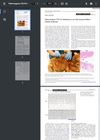 May 2024 in “Animal genetics”
 A cat's poor wound healing was linked to a genetic deletion in the COL5A1 gene.
22 citations
,
November 2014 in “Proteins Structure Function and Bioinformatics” Cysteines in wool fibers are accessible and form important disulfide bonds.
5 citations
,
October 2021 in “American Journal of Medical Genetics Part A” A new genetic variant causes BRESHECK syndrome by disrupting cell growth and stress response.
9 citations
,
August 2024 in “Journal of Orthopaedic Translation” Strontium zinc silicate may help treat osteoporosis and muscle loss.
 September 2025 in “Arthritis Research & Therapy”
 BMS-470539 reduces skin fibrosis and inflammation.