 11 citations
,
August 2009 in “Expert Opinion on Drug Discovery”
11 citations
,
August 2009 in “Expert Opinion on Drug Discovery” We need better ways to test and understand SARMs to make safer and more effective treatments.

Key genes and pathways influence cashmere production in goats.
305 citations
,
March 2008 in “AJP Endocrinology and Metabolism” SSAT is a key enzyme affecting cell growth and metabolism, with potential but risky use in disease treatment.
46 citations
,
May 2013 in “The journal of investigative dermatology/Journal of investigative dermatology” Significant progress was made in understanding PXE, but effective treatments are still needed.
 June 2025 in “Theranostics”
 Rapamycin-primed exosomes can significantly boost hair regrowth.
27 citations
,
January 2018 in “Drug Delivery” GC10/DOX hydrogel shows promise as an effective thyroid cancer treatment.
2 citations
,
December 2013 in “Cancer research” Enobosarm may effectively treat androgen receptor-positive breast cancer with fewer side effects.
 12 citations
,
January 2005 in “Pediatric Dermatology”
12 citations
,
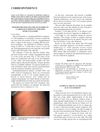
January 2005 in “Pediatric Dermatology” Fox Fordyce disease might be more common in prepubertal girls than thought and can be managed with treatment.
January 2020 in “bioRxiv (Cold Spring Harbor Laboratory)” DNA methylation controls hair follicle gene expression in cashmere goats.
18 citations
,
January 1965 in “Stain Technology” 1 citations
,
January 2025 in “Regenerative Biomaterials” Exosomes from Pinctada martensii mucus can safely reduce melanin production, offering a new treatment for skin pigment issues.
July 2024 in “Journal of Investigative Dermatology” The new skin organoid system effectively mimics human skin for studying its functions, injuries, and diseases.
 5 citations
,
July 2022 in “Orphanet journal of rare diseases”
5 citations
,
July 2022 in “Orphanet journal of rare diseases” RSPO1 mutations in certain patients lead to skin cells that don't develop properly and are more likely to become invasive, increasing the risk of skin cancer.
 78 citations
,
June 2013 in “Science”
78 citations
,
June 2013 in “Science” Mice without the Sept4/ARTS gene heal wounds better due to more stem cells that don't die easily.
1 citations
,
June 2016 in “FEBS open bio” Fish oil increased cell growth and macrophages in the skin but didn't affect COX-2 expression.
22 citations
,
January 2017 in “Journal of steroid biochemistry and molecular biology/The Journal of steroid biochemistry and molecular biology” A new method accurately measures nine specific hormones in human blood.
 1 citations
,
November 2020 in “Research Square (Research Square)”
1 citations
,
November 2020 in “Research Square (Research Square)” The study found specific skin cells and genes that may affect the quality of cashmere in Liaoning Cashmere Goats.
January 2016 in “Xumu Shouyi Xuebao” 5 citations
,
June 2024 in “Phenomics”  December 2024 in “Journal of General-Procedural Dermatology & Venereology Indonesia”
 Coix seed extract helped resolve onycholysis in an elderly woman.
January 2026 in “Animals” TBX3 gene affects pigmentation and marking formation in Dun Mongolian horses.
8 citations
,
September 1987 in “Acta Dermato Venereologica” Recessive X-linked ichthyosis involves a less efficient enzyme in hair follicles, suggesting two distinct enzymes.
 32 citations
,
November 2016 in “Journal of Dental Research”
32 citations
,
November 2016 in “Journal of Dental Research” Pannexin 3 is important for bone formation and the development of bone cells.
83 citations
,
January 2023 in “Development” Hox genes are crucial for development and tissue maintenance, affecting structures and functions throughout life.
June 1996 in “Journal of Dermatological Science” January 2022 in “International journal of dermatology and venereology” A Chinese man with KID syndrome had a new mutation in the GJB2 gene.
11 citations
,
June 2017 in “Asian-Australasian journal of animal sciences” Fox genes are important for hair growth and development in cashmere goats.
 July 2022 in “Research, Society and Development”
 The conclusion is that different treatments improved hair growth in dogs with Alopecia X, but results varied and not all dogs had complete hair regrowth.
September 2002 in “Oncology Times” Promising cancer treatments were found, but the manufacturer closed.