1 citations
,
August 2022 in “Pigment Cell & Melanoma Research” New mouse models help study melanocytic cells for melanoma research.
April 2019 in “The journal of investigative dermatology/Journal of investigative dermatology” Disrupting the Tsc2 gene in certain cells leads to thicker skin, larger hair, and changes in hair growth signaling, which can be partly reversed with specific treatment.
26 citations
,
May 2007 in “Differentiation” Foxn1 helps skin cells mature by controlling a specific protein's activity.
 February 2023 in “International Journal of Molecular Sciences”
 Exosomes from skin cells can boost hair growth by stimulating a gene called LEF1.
 April 2024 in “The journal of investigative dermatology/Journal of investigative dermatology”
 ASH2L is essential for skin and hair development.
2 citations
,
February 2025 in “Advanced Healthcare Materials” Perhexiline can effectively target ovarian cancer cells left after treatment.
Suppressing ODC activity reduces tumor growth in hair follicles.
September 1999 in “Molecular Carcinogenesis” Increased ODC expression makes normally tumor-resistant mice more prone to tumor development.
31 citations
,
June 2022 in “Stem Cell Research & Therapy” CD146 + mesenchymal stem cells are more effective for treating premature ovarian failure.
April 2026 in “Journal of Cosmetic Dermatology” Exosomes from umbilical cord stem cells help protect hair color and health under stress.
May 2014 in “The journal of immunology/The Journal of immunology” Early over-expression of FoxN1 harms immune and skin development.
37 citations
,
January 1986 in “Carcinogenesis” ODC expression in mouse skin and tumors is varied and can be inhibited by retinoic acid or cycloheximide.
 301 citations
,
May 1998 in “Genes & Development”
301 citations
,
May 1998 in “Genes & Development” Ets2 gene is crucial for placental development in mice.
56 citations
,
December 2002 in “The Journal of Clinical Endocrinology & Metabolism” Human bone cells mainly produce a type 1 enzyme that may help regulate bone health.
 July 2023 in “British journal of dermatology/British journal of dermatology, Supplement”
 Skin tumors with CYLD cutaneous syndrome show more NF-κB activity and less organized collagen.
 451 citations
,
March 2005 in “Endocrine Reviews”
451 citations
,
March 2005 in “Endocrine Reviews” The enzyme steroid sulfatase is linked to breast cancer and other conditions, and inhibitors are being developed for treatment.
Deleting the MAD2L1 gene in mice led to rapid tumor growth despite chromosomal instability.
April 2025 in “OPAL (Open@LaTrobe) (La Trobe University)” Exosomes from small-tailed Han sheep enhance hair growth in mice.
 August 2023 in “Journal of Investigative Dermatology”
 Different body areas have unique skin cell communication patterns, explaining why certain skin diseases occur in specific regions.
2 citations
,
November 2022 in “bioRxiv (Cold Spring Harbor Laboratory)” Mutant stem cells adapt their metabolism differently to outcompete normal cells in the skin.
 January 2023 in “International journal of biological sciences”
 COX2 and ATP synthase control the size of hedgehog spines.
 76 citations
,
June 2018 in “EMBO Reports”
76 citations
,
June 2018 in “EMBO Reports” YAP and TAZ proteins are necessary for the development of two types of skin cancer.
Deleting the MAD2L1 gene is tolerated in certain mouse cancer models.
 1 citations
,
April 2022 in “Cell Death Discovery”
1 citations
,
April 2022 in “Cell Death Discovery” Increasing Smurf2 hinders hair follicle stem cell differentiation and wound healing.
 32 citations
,
February 2008 in “Developmental dynamics”
32 citations
,
February 2008 in “Developmental dynamics” Mice without the Sp6 gene have problems developing several body parts, including hair, teeth, limbs, and lungs.
 5 citations
,
December 2017 in “Tissue and cell/Tissue & cell”
5 citations
,
December 2017 in “Tissue and cell/Tissue & cell” Researchers found stem cells in dog hair follicles using specific markers.
2 citations
,
August 2016 in “Journal of Investigative Dermatology” 9 citations
,
May 2020 in “bioRxiv (Cold Spring Harbor Laboratory)” Human melanocytes have unique traits that affect melanoma development and prognosis.
 37 citations
,
September 2003 in “Journal of Medicinal Chemistry”
37 citations
,
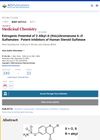
September 2003 in “Journal of Medicinal Chemistry” A substance called Compound 2g can strongly block STS (a hormone-related enzyme) without affecting estrogen levels, making it potentially good for treating breast cancer.
 30 citations
,
August 2021 in “Oncogene”
30 citations
,
August 2021 in “Oncogene” miR-22 helps skin cancer grow and spread by activating specific cell signals.