 August 2024 in “International Journal of Basic & Clinical Pharmacology”
 Secretome-based therapies could improve hair growth better than current treatments.
 January 2022 in “Acta dermatovenerologica Alpina, Pannonica et Adriatica (Tiskana izd.)”
 Uncombable hair syndrome causes frizzy hair and can affect the nervous system, eyes, and ears, often co-occurring with other hair, skin, nail, and teeth conditions, and is linked to three specific gene mutations.
 May 2019 in “Small Animal Dermatology”
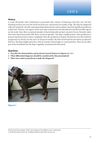
 The dog has Color Dilution Alopecia, causing hair loss and increased risk of skin infections.
 January 2019 in “Elsevier eBooks”
 Different hair disorders have specific treatments and outcomes, with some resolving on their own and others requiring medication or emotional support.
 January 2019 in “Springer eBooks”
 Some chemicals and drugs can cause hair loss, which usually grows back after stopping the treatment.
 May 2017 in “Journal of The American Academy of Dermatology”
 More people are becoming allergic to natural products like propolis and marigold, especially women.
 May 2017 in “Journal of The American Academy of Dermatology”
 Certain factors like patchy hair loss at the back of the head, being female, and younger age at diagnosis can lead to a worse outcome for alopecia areata.
 July 2015 in “Cambridge University Press eBooks”
 The document concludes that treatments for female hair loss and excess body hair are available, but managing expectations is important.
 February 2009 in “Journal of the American Academy of Dermatology”
 Transverse sections are better for non-scarring hair loss, vertical sections are better for lichen planopilaris, and either method works for other scarring hair loss types.
 January 2008 in “Springer eBooks”
 Thyroid disease can cause hair loss and treating thyroid problems might help with hair disorders.
 May 2002 in “Dermatologic Surgery”
 The method improves natural appearance in hair restoration by properly evaluating and treating the temporal peak region.
 April 1940 in “Archives of dermatology”
 Diagnosing and treating skin conditions is challenging, especially when drug reactions mimic other diseases.
 150 citations
,
April 1999 in “Dermatologic Clinics”
150 citations
,
April 1999 in “Dermatologic Clinics” Laser hair removal effectiveness depends on targeting hair structures without harming the skin, and improvements require more research and expert collaboration.
 85 citations
,
October 2012 in “Dermatologic Clinics”
85 citations
,
October 2012 in “Dermatologic Clinics” Alopecia Areata is an autoimmune condition often starting before age 20, with varied treatment success and a need for personalized treatment plans.
 84 citations
,
April 2005 in “Dermatologic Clinics”
84 citations
,
April 2005 in “Dermatologic Clinics” Treatments for melanin disorders exist, but more effective options needed.
 78 citations
,
April 1994 in “Archives of dermatology”
78 citations
,
April 1994 in “Archives of dermatology” The study found that Keratosis Pilaris Atrophicans is a genetic skin condition that starts in childhood, involves inflammation and scarring, and current treatments are only somewhat effective.
 49 citations
,
November 1992 in “Archives of dermatology”
49 citations
,
November 1992 in “Archives of dermatology” Different treatments for alopecia areata have varying success rates and side effects; intralesional steroids are most effective.
 35 citations
,
October 2012 in “Dermatologic Clinics”
35 citations
,
October 2012 in “Dermatologic Clinics” Autoimmune diseases can cause hair loss, and early treatment is important to prevent permanent damage.
 28 citations
,
January 2013 in “Journal of Thyroid Research”
28 citations
,
January 2013 in “Journal of Thyroid Research” Thyroid hormone may speed up wound healing and hair growth, but more research is needed to understand its role in skin repair and use as a treatment.
 25 citations
,
December 2017 in “Facial Plastic Surgery”
25 citations
,
December 2017 in “Facial Plastic Surgery” Combination therapy with steroids and pimecrolimus improved or stabilized hair loss in most patients with Frontal Fibrosing Alopecia, who also had a high rate of hypothyroidism.
 15 citations
,
March 2000 in “Dermatologic Surgery”
15 citations
,
March 2000 in “Dermatologic Surgery” Hair transplantation has evolved since 1822, with significant advancements by key figures and widespread international growth.
 8 citations
,
January 2007 in “International Society of Hair Restoration Surgery”
8 citations
,
January 2007 in “International Society of Hair Restoration Surgery” The forelock approach in hair transplants improves natural appearance by focusing hair density in one area.
 8 citations
,
October 1989 in “Journal of the American Academy of Dermatology”
8 citations
,
October 1989 in “Journal of the American Academy of Dermatology” A 5-year-old boy's seasonal hair loss is linked to his allergies.
 7 citations
,
August 2018 in “The American Journal of Dermatopathology”
7 citations
,
August 2018 in “The American Journal of Dermatopathology” Researchers found a new early sign of Frontal Fibrosing Alopecia that could help avoid misdiagnosis.
 7 citations
,
June 2004 in “Dermatologic Surgery”
7 citations
,
June 2004 in “Dermatologic Surgery” A new hair transplant method combines individual and group follicles for better results and efficiency.
 5 citations
,
May 2004 in “Dermatologic Surgery”
5 citations
,
May 2004 in “Dermatologic Surgery” A hair restoration technique was introduced that mixes different types of hair groupings to reduce procedure time, limit damage, and potentially increase hair density, suggesting more hair can be transplanted than previously thought.
 3 citations
,
July 2012 in “British journal of hospital medicine”
3 citations
,
July 2012 in “British journal of hospital medicine” The guide helps clinicians diagnose and manage hair loss, detailing examination techniques and treatments for different types of alopecia.
 2 citations
,
January 2018 in “International journal of research in dermatology”
2 citations
,
January 2018 in “International journal of research in dermatology” Intralesional corticosteroids are the best for limited alopecia areata, oral steroids are less effective, and PRP is safe and promising, especially for children and severe cases.
 1 citations
,
May 2017 in “InTech eBooks”
1 citations
,
May 2017 in “InTech eBooks” The document concludes that alopecia areata is an unpredictable autoimmune hair loss condition with no cure, but various treatments exist that require personalized approaches.
 1 citations
,
June 2012 in “Actas Dermo-Sifiliográficas”
1 citations
,
June 2012 in “Actas Dermo-Sifiliográficas” Early and aggressive treatment of scarring alopecia is important to prevent further hair follicle damage.