January 2026 in “Therapeutics” SCUBE3 is a potential target for cancer and alopecia treatment but is challenging to target due to its varied roles.
 November 2022 in “The journal of investigative dermatology/Journal of investigative dermatology”
 TYK2 inhibition may help treat alopecia areata by promoting hair growth and reducing immune response.
1 citations
,
September 2019 in “Journal of Investigative Dermatology” Anti-Desmocollin 3 antibodies can cause pemphigus-like symptoms in mice.
 July 2026 in “Current Issues in Molecular Biology”
 Plerixafor may help restore skin pigmentation safely.
Patients and doctors often agree on the severity of eyebrow and eyelash hair loss in severe alopecia areata.
 2 citations
,
June 2022 in “Journal of cosmetic dermatology”
2 citations
,
June 2022 in “Journal of cosmetic dermatology” Dupilumab can help hair regrowth but may also trigger alopecia areata.
April 2025 in “Anais Brasileiros de Dermatologia” Abrocitinib effectively treats severe alopecia areata with significant improvement and no side effects.
20 citations
,
May 2007 in “JDDG Journal der Deutschen Dermatologischen Gesellschaft” Etanercept effectively treated a severe skin condition when other treatments failed.
40 citations
,
July 2015 in “Kidney International” IL-3 worsens lupus nephritis and blocking it improves kidney health.
 August 2025 in “Galen Medical Journal”
 Combining mesotherapy with systemic treatments effectively improves alopecia universalis treatment.
1 citations
,
September 2001 in “PubMed” ONO-3403 effectively reduces mouse skin tumor growth without side effects.
50 citations
,
September 2023 in “Biomarker Research” S100A6 is important for cell functions and can help diagnose and treat diseases.
1 citations
,
June 2016 in “FEBS open bio” Fish oil increased cell growth and macrophages in the skin but didn't affect COX-2 expression.
1 citations
,
May 2026 in “Journal of Dermatological Treatment” JAK1 inhibitor may effectively treat alopecia areata when TNF-α inhibitors and corticosteroids fail.
1 citations
,
October 2021 in “Journal of Investigative Dermatology” 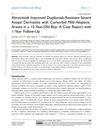 April 2024 in “Journal of asthma and allergy”
 Abrocitinib effectively treated severe atopic dermatitis and mild alopecia areata in a 12-year-old boy after dupilumab failed.
2 citations
,
June 2018 in “Dermatologic Surgery”  August 2018 in “Journal of Investigative Dermatology”
 The conclusion is that using light-sheet fluorescence microscopy with a special solution can effectively create detailed 3D images of human skin for dermatological research.
September 2023 in “Journal of the American Academy of Dermatology” Guselkumab significantly improves psoriasis symptoms within 12 weeks.
 4 citations
,
January 2024 in “JEADV. Journal of the European Academy of Dermatology and Venereology/Journal of the European Academy of Dermatology and Venereology”
4 citations
,
January 2024 in “JEADV. Journal of the European Academy of Dermatology and Venereology/Journal of the European Academy of Dermatology and Venereology” Baricitinib and ritlecitinib are recommended for severe alopecia areata, with other treatments available off-label.
6 citations
,
November 2018 in “Case reports in nephrology and dialysis” Rituximab may be an effective treatment for Cronkhite-Canada syndrome with kidney disease.
 March 2024 in “Clinical, cosmetic and investigational dermatology”
 Tofacitinib successfully treated vitiligo in a patient with lupus without side effects.
 1 citations
,
July 2019 in “Clinical Rheumatology”
1 citations
,
July 2019 in “Clinical Rheumatology” Leflunomide is more likely to help treat alopecia areata than cause it.
 March 2024 in “Drug development & registration”
 Mesenchymal stem cell secretome shows promise for skin treatments but needs more human trials.
 September 2020 in “Acta Scientific Cancer Biology”
 Personalized treatment based on detailed tumor analysis successfully managed and reduced the patient's aggressive hair follicle cancer.
 1 citations
,
April 2019 in “Journal of Investigative Dermatology”
1 citations
,
April 2019 in “Journal of Investigative Dermatology” Dupilumab is effective and safe for treating moderate-to-severe atopic dermatitis in adolescents.
1 citations
,
April 2004 in “Cancer” Imatinib mesylate can cause skin lightening, especially in Chinese patients, due to its effect on pigment production.
5 citations
,
April 2019 in “Journal of Investigative Dermatology” Oral JAK inhibitors improved alopecia areata by modulating immune responses and boosting hair growth.

Gender-specific analysis could improve treatment for childhood systemic lupus erythematosus.
10 citations
,
June 2016 in “PLOS ONE” Finasteride boosts immune cells that suppress T-cells, possibly helping with immune disorders but may increase cancer risk.