 February 2024 in “Experimental Dermatology”
 IGFBP-rP1 could be a new treatment for a common type of hair loss.
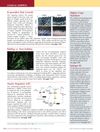 July 2016 in “Journal of Investigative Dermatology”
 R-spondin2 may help treat hair loss, gene differences could explain baldness, a peptide's regulation is linked to psoriasis, B-defensin gene copies may affect a skin condition's risk and severity, and potential markers and targets for alopecia areata were identified.
 18 citations
,
May 2020 in “Biomolecules”
18 citations
,
May 2020 in “Biomolecules” Spironolactone, a heart and liver drug, has new uses including cancer treatment, viral infection prevention, and skin condition improvement.
January 2026 in “Applied Sciences” Cyclic ADP-ribose helps regulate calcium and signals that promote hair growth in hair follicle cells.
62 citations
,
December 2007 in “Journal of biological chemistry/The Journal of biological chemistry” A specific chemical change in the S100A3 protein leads to the formation of a four-part structure important for hair formation.
 April 2026 in “Cellular and Molecular Immunology”
 SPT6 prevents excessive skin inflammation by blocking a feedback loop.
24 citations
,
September 2020 in “Pharmaceutics” Lidocaine-loaded microparticles effectively relieve pain and fight bacteria in wounds.
 10 citations
,
June 2005 in “The journal of investigative dermatology/Journal of investigative dermatology”
10 citations
,
June 2005 in “The journal of investigative dermatology/Journal of investigative dermatology” FP-1 is a key protein in rat hair growth, active only during the growth phase.
17 citations
,
April 2006 in “Brain Research” 5α-reduced neurosteroids may help regulate glial cell differentiation.
 November 2021 in “International journal of life science and pharma research”
 The new gel for psoriasis is effective, stable, and easy to apply.
6 citations
,
October 2024 in “Frontiers in Bioengineering and Biotechnology” A special hydrogel helps stem cells heal wounds better by boosting growth factors.
 January 2022 in “bioRxiv (Cold Spring Harbor Laboratory)”
 The gp130 receptor helps in tissue regeneration and disease progression, and manipulating it could improve healing and prevent disease.
 6 citations
,
April 2010 in “Cellular Reprogramming”
6 citations
,
April 2010 in “Cellular Reprogramming” Pig skin cells can turn into mesodermal cells but lose their ability to become neural cells.
53 citations
,
August 2010 in “Molecular Carcinogenesis” Slug is crucial for skin health, hair growth, and healing.
November 2019 in “British Journal of Dermatology” FOL-005 peptide may help treat excessive hair growth safely.
December 2021 in “Figshare” BBS7 is crucial for maintaining periodontal health by supporting Shh signaling.
65 citations
,
February 2018 in “The Plant Journal” PLDζ2 and NPC4 have different roles in lipid changes and root hair growth in Arabidopsis under low phosphate, with PLDζ2 reducing root hair growth and NPC4 promoting it.
32 citations
,
July 2003 in “Histochemistry and Cell Biology” 6 citations
,
December 2023 in “Journal of Molecular Cell Biology” Removing Gsdma1/2/3 genes reduces skin cell overgrowth by blocking a specific cell pathway.

Plakophilin 1 helps control skin cell immune responses to prevent excessive inflammation.
February 2026 in “Advanced Science” TTNPB helps turn stem cells into neural stem cells, improving depression-like behaviors in rats.
9 citations
,
April 2022 in “Cell Communication and Signaling” High S100A4 levels worsen glioblastoma by promoting blood vessel growth.
 17 citations
,
May 2015 in “Nanomedicine: Nanotechnology, Biology and Medicine”
17 citations
,
May 2015 in “Nanomedicine: Nanotechnology, Biology and Medicine” Scientists created tiny particles loaded with a hair growth drug, minoxidil, that specifically target hair follicles and skin cells to potentially improve hair growth.
 4 citations
,
February 2018 in “Journal of Investigative Dermatology”
4 citations
,
February 2018 in “Journal of Investigative Dermatology” The document concludes that a protein involved in hair growth may link to baldness and that more research is needed on its role in hair loss and skin cancer treatments.
1 citations
,
February 2023 in “Applied sciences” The new topical growth hormone formula has high skin penetration and bioavailability.
 January 2025 in “Cellular and Molecular Biology”
 The PIP5K1A gene helps cashmere growth in goats by promoting cell proliferation, and melatonin boosts its expression.
5 citations
,
August 2012 in “Experimental Dermatology” Artemis phosphorylation at Ser516 may help regulate skin and hair structures.
 November 2024 in “Experimental Dermatology”
 SKO-derived SKP-like cells may help with hair regeneration and skin restoration.
April 2023 in “Journal of Investigative Dermatology” CD206+ macrophages are crucial for hair growth in alopecia areata treatment.
 June 2026 in “HAL (Le Centre pour la Communication Scientifique Directe)”
 SH-1 effectively treats hair loss without side effects.