 April 2024 in “Dermatovenerologiâ, kosmetologiâ”
 Actinic keratosis is a sun-induced skin condition that can potentially turn into skin cancer and requires treatment to prevent malignancy.
March 1990 in “Journal of Dermatological Science” 8 citations
,
May 2005 in “The American journal of dermatopathology/American journal of dermatopathology” The hair defect is due to abnormal inner root sheath keratinization.
5 citations
,
August 1925 in “Archives of dermatology” An 8-year-old boy with Recklinghausen's Disease shows various symptoms and is from a family with close genetic ties.
September 2014 in “Emergency Medicine News” The man's skin condition improved with sun protection and topical steroids, but UV exposure still caused flare-ups.
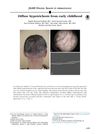 September 2016 in “Journal of The American Academy of Dermatology”
 The girl has a genetic hair condition causing thin hair since childhood.
28 citations
,
September 1986 in “Pediatric dermatology” Zinc therapy improved hair health in a girl with acrodermatitis enteropathica.
4 citations
,
January 2020 in “Indian dermatology online journal” Lichen simplex chronicus on the scalp can be diagnosed by specific hair and skin signs and treated with corticosteroids and therapy.

Retinol with polylysine cleared scalp skin growths in 21 days without side effects.
39 citations
,
March 1997 in “The Lancet” Acquired perforating dermatosis often affects skin in people with kidney issues and diabetes.
November 2025 in “Journal of Investigative Dermatology” KLHL24-mutant stem cells help understand skin and heart disease.
88 citations
,
June 2000 in “Journal of Investigative Dermatology” Keratin 17 is important for hair and nail structure and affects pachyonychia congenita symptoms.
5 citations
,
May 2017 in “Journal of dermatological science” The combined treatment effectively managed severe skin issues in Olmsted syndrome.

Genetic testing can help diagnose skin conditions but needs more research for full effectiveness.
21 citations
,
April 2004 in “Australasian Journal of Dermatology” A 3-year-old girl has a rare condition causing sparse hair and nail issues, with minimal improvement from treatment.
26 citations
,
August 2014 in “Veterinary Dermatology” Sphynx cats have abnormal hair follicles and keratinization affecting their skin.
 18 citations
,
January 2020 in “Acta dermato-venereologica”
18 citations
,
January 2020 in “Acta dermato-venereologica” Over 67 genes linked to ichthyosis help improve diagnosis and treatment.
1 citations
,
October 2019 in “European Journal of Dermatology” Salicylic acid ointment effectively treated a toddler's skin condition.
 August 2025 in “International Journal of Research in Dermatology”
 Increasing zinc intake improved skin and hair symptoms in a rare genetic disorder.
 13 citations
,
April 2018 in “Scientific Reports”
13 citations
,
April 2018 in “Scientific Reports” The genes KRT25 and SP6 affect curly hair in horses, with KRT25 also causing hair loss. If both genes are mutated, the horse gets curly hair and hair loss. KRT25 can hide the effect of SP6.
 1 citations
,
October 2012 in “The Journal of Dermatology”
1 citations
,
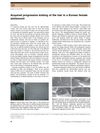
October 2012 in “The Journal of Dermatology” A Korean girl developed kinky hair without known cause or effective treatment.
99 citations
,
October 2008 in “Journal of Investigative Dermatology” Mutations in the ST14 gene cause skin and hair issues by disrupting important protein processing.
4 citations
,
January 2020 in “Dermatology Online Journal” Congenital atrichia with papular lesions causes permanent hair loss and skin bumps due to a gene mutation.
19 citations
,
February 2013 in “Archives of Dermatological Research” 5 citations
,
August 2001 in “International Journal of Dermatology” A 20-year-old had hair loss and skin issues from lichen planopilaris starting at age 10.
March 2024 in “International journal of molecular sciences” Three specific genetic variants cause severe skin issues in children with EBS, highlighting the need for early genetic screening.
 April 2017 in “Journal of Investigative Dermatology”
 Blood cells turned into stem cells can become skin cells similar to normal ones, potentially helping in skin therapies.
Isotretinoin effectively improved severe pityriasis rubra pilaris with complications.
 30 citations
,
December 2011 in “Journal of biological chemistry/The Journal of biological chemistry”
30 citations
,
December 2011 in “Journal of biological chemistry/The Journal of biological chemistry” Keratin 17 is modified by RSK1 in response to growth and stress, affecting skin growth and stress response.
 April 2016 in “The journal of investigative dermatology/Journal of investigative dermatology”
 RPGRIP1L helps skin cells stick together by blocking PKCβII, which can prevent skin blistering like in pemphigus.