 3 citations
,
August 2022 in “Cutis”
3 citations
,
August 2022 in “Cutis” Certain nail conditions can suggest thyroid problems, with different symptoms for underactive (slow, thin nails) and overactive (spoon-shaped, brittle nails) thyroid.
2 citations
,
February 2021 in “PubMed” Koilonychia in alopecia areata can improve with oral corticosteroids.
 December 2016 in “John Wiley & Sons, Ltd eBooks”
 The document concludes that proper recognition and treatment of skin appendage disorders are important for management.
 3 citations
,
January 2011 in “Intestinal Research”
3 citations
,
January 2011 in “Intestinal Research” Cronkhite-Canada syndrome can cause multiple gastrointestinal polyps and various physical symptoms.
1 citations
,
December 2023 in “Experimental Dermatology” Children with alopecia areata before age 4 may have better short-term hair regrowth.
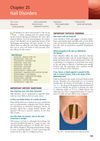 January 2018 in “Elsevier eBooks”
 Different nail disorders are treated by targeting their specific causes and using appropriate medications or protective measures.
 1 citations
,
January 2013 in “Elsevier eBooks”
1 citations
,
January 2013 in “Elsevier eBooks” The document reviews various hair and nail disorders, their causes, and treatments, emphasizing the need for proper diagnosis and the link between nail changes and systemic diseases.
 December 2022 in “Journal of medical sciences and health”
 Examining nail biopsies is useful for diagnosing nail diseases.
 February 2005 in “Journal of The American Academy of Dermatology”
 Not all nail problems are caused by fungus, new allergens are being identified, PCOS has various treatments, and aesthetic procedures like Botox are advancing.
 7 citations
,
December 2008 in “Expert Review of Dermatology”
7 citations
,
December 2008 in “Expert Review of Dermatology” The document concludes that various childhood hair and nail disorders exist, some may improve on their own, and advances in genetics and immunology could enhance treatment and counseling.
 3 citations
,
January 2012 in “Elsevier eBooks”
3 citations
,
January 2012 in “Elsevier eBooks” The document says that there are treatments for hair and nail diseases.
 21 citations
,
April 2014 in “PLoS ONE”
21 citations
,
April 2014 in “PLoS ONE” A rare gene variant causes hair and nail issues in a family.
 4 citations
,
November 2009 in “Medical Clinics of North America”
4 citations
,
November 2009 in “Medical Clinics of North America” Stress, nutritional issues, and chronic diseases can cause hair loss, and nail changes may signal internal diseases; treatment focuses on the underlying cause.
 30 citations
,
October 2012 in “Current Opinion in Endocrinology, Diabetes and Obesity”
30 citations
,
October 2012 in “Current Opinion in Endocrinology, Diabetes and Obesity” Thyroid hormones are important for skin health and might help treat skin diseases, but more research is needed to understand their effects fully.
74 citations
,
October 2012 in “The American Journal of Human Genetics” Mutations in the HOXC13 gene cause hair and nail development issues.
 1 citations
,
January 2013 in “Springer eBooks”
1 citations
,
January 2013 in “Springer eBooks” The document concludes that skin and nail changes can indicate various underlying health conditions.
 January 2016 in “Dermatology Review”
 Endocrine disorders can cause various skin and hair issues.
 37 citations
,
June 2002 in “The Laryngoscope”
37 citations
,
June 2002 in “The Laryngoscope” Ectodermal dysplasia causes various symptoms and early treatment is important for eye, dental, and skin issues.
 24 citations
,
July 2011 in “PubMed”
24 citations
,
July 2011 in “PubMed” Thyroid hormones affect skin texture, hair and nail growth, and can cause skin diseases related to thyroid problems.
 2 citations
,
January 2019 in “Elsevier eBooks”
2 citations
,
January 2019 in “Elsevier eBooks” Biotin supplements are unnecessary for most people but may help with certain conditions like biotin deficiency, brittle nails, and some hair loss.
 January 2017 in “Springer eBooks”
 The document explains various skin conditions and their treatments.
 33 citations
,
September 2017 in “Journal of clinical immunology”
33 citations
,
September 2017 in “Journal of clinical immunology” New treatments for immune disorders caused by FOXN1 deficiency are promising.
 176 citations
,
August 1981 in “JAMA”
176 citations
,
August 1981 in “JAMA” Toxic Shock Syndrome mainly affects menstruating women, can recur, and is linked to staph bacteria, with rapid treatment being crucial.
 141 citations
,
September 2016 in “European Journal of Dermatology”
141 citations
,
September 2016 in “European Journal of Dermatology” Taxane chemotherapy can cause skin, hair, and nail side effects, which are often under-reported and can affect patient quality of life.
 109 citations
,
May 2011 in “Dermatologic Therapy”
109 citations
,
May 2011 in “Dermatologic Therapy” Alopecia areata is a type of hair loss that can lead to complete baldness, often associated with other autoimmune conditions, and half of the cases may see hair return within a year.
 55 citations
,
November 2004 in “Expert opinion on drug safety”
55 citations
,
November 2004 in “Expert opinion on drug safety” Chemotherapy often causes hair loss, nail changes, and mouth issues, but these are usually manageable.
 53 citations
,
May 2001 in “The American journal of the medical sciences”
53 citations
,
May 2001 in “The American journal of the medical sciences” Chemotherapy can cause various skin problems, and recognizing them helps improve patient care.
 53 citations
,
October 1978 in “Archives of dermatology”
53 citations
,
October 1978 in “Archives of dermatology” Zinc supplements can resolve skin issues caused by zinc deficiency.
 44 citations
,
July 2011 in “Dermato-endocrinology”
44 citations
,
July 2011 in “Dermato-endocrinology” Thyroid hormone affects skin health, with too little causing rough, pale skin and too much leading to smooth, thin skin, and may also impact wound healing and skin conditions.
25 citations
,
November 2020 in “Proceedings of the National Academy of Sciences” HoxC genes are crucial for normal hair and nail development.