28 citations
,
January 2005 in “Photochemistry and Photobiology” Protein kinase C epsilon may increase skin cancer risk by affecting nearby cells.
23 citations
,
January 1986 Involucrin is crucial for skin cell maturation and protection.
 18 citations
,
September 2006 in “Dermatologic Surgery”
18 citations
,
September 2006 in “Dermatologic Surgery” Aggressive scalp squamous cell carcinomas have a high death rate and need early, strong treatment.
 16 citations
,
December 2006 in “International Journal of Dermatology”
16 citations
,
December 2006 in “International Journal of Dermatology” A woman died from cancer that spread from a long-standing cyst on her abdomen.
15 citations
,
May 2008 in “British Journal of Dermatology” Chronic scalp inflammation can turn into cancer, so regular check-ups are important.
14 citations
,
August 2010 in “Journal of Investigative Dermatology” HPV does not cause aggressive cancer in RDEB patients.
11 citations
,
November 2011 in “The Journal of Dermatology” Connexin-26 gene mutations may increase cancer risk in KID syndrome patients.
 5 citations
,
February 2012 in “Aesthetic Plastic Surgery”
5 citations
,
February 2012 in “Aesthetic Plastic Surgery” A man developed skin cancer on his scalp after multiple artificial hair grafts.
 3 citations
,
May 2018 in “European Journal of Dermatology”
3 citations
,
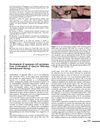
May 2018 in “European Journal of Dermatology” Photodynamic therapy may not work for erythroplasia of Queyrat and could lead to invasive squamous cell carcinoma.
3 citations
,
January 2005 in “Photochemistry and Photobiology” Protein kinase C epsilon may promote skin cancer development after UV exposure by affecting nearby cells.
 2 citations
,
August 2012 in “Aesthetic Plastic Surgery”
2 citations
,
August 2012 in “Aesthetic Plastic Surgery” The letter argues that blaming synthetic hair implants for scalp cancer based on one report is biased and possibly coincidental.
2 citations
,
June 2003 in “American Journal of Dermatopathology” A unique case of skin cancer showed unusual calcification, possibly linked to calcium-binding proteins.
 1 citations
,
November 2024 in “Cureus”
1 citations
,
November 2024 in “Cureus” Recognizing RSCC is crucial due to its aggressive nature and high risk of poor outcomes.
 April 2025 in “Dermatology Practical & Conceptual”
 Biopsy is crucial to accurately distinguish Erosive Pustular Dermatosis of the Scalp from Squamous Cell Carcinoma.
 April 2025 in “Dermatology Practical & Conceptual”
 Biopsy is crucial for accurately diagnosing EPDS to avoid mistaking it for SCC.
October 2024 in “Frontiers in Oncology” A new gene mutation linked to Olmsted syndrome may increase cancer risk, suggesting the need for ongoing patient monitoring.
Synthetic hair implants may pose health risks, including cancer, and require careful monitoring.
Ribonucleotide excision repair is crucial to prevent skin cancer.
Ribonucleotide excision repair is crucial to prevent skin cancer.
Loss of the p53 gene alone causes tumors, and losing both p53 and Rb genes speeds up aggressive skin cancer.
Loss of the p53 gene alone causes tumors, and losing both p53 and Rb genes speeds up aggressive skin cancer.
 August 2022 in “JAAD case reports”
 A woman with a long-term skin condition developed a serious skin cancer that led to her death.
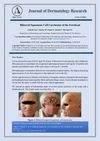
A 70-year-old man with skin cancer on both sides of his forehead was treated with surgery and cryotherapy, highlighting the need for early detection and prevention.
January 2019 in “Publisher” Human basal cell carcinomas and squamous cell carcinomas have unique gene expression patterns not fully mirrored in mouse models.
May 2018 in “Dermatologic Surgery”  April 2018 in “Journal of Investigative Dermatology”
 CREB, a protein that can promote cancer traits, is controlled by β-catenin in skin cancer cells.
Loss of Dnmt3a and Dnmt3b leads to more aggressive skin tumors, but blocking PPAR-γ can reduce this effect.
Loss of Dnmt3a and Dnmt3b increases aggressive skin tumors by affecting PPAR-γ.
ETS2 is crucial in squamous cell carcinoma development and could be a therapeutic target.
ETS2 drives cancer progression in squamous cell carcinoma and is linked to poor patient outcomes.