 1 citations
,
September 2020 in “Cochrane library (CD-ROM)”
1 citations
,
September 2020 in “Cochrane library (CD-ROM)” The analysis aims to identify the most effective and safest treatments for alopecia areata.
 1 citations
,
November 2014
1 citations
,
November 2014 The document explains hair and nail biology, common hair loss conditions and treatments, oral and genital skin diseases, and the risks and treatments associated with squamous cell carcinoma.
 1 citations
,
January 2013 in “Elsevier eBooks”
1 citations
,
January 2013 in “Elsevier eBooks” The document reviews various hair and nail disorders, their causes, and treatments, emphasizing the need for proper diagnosis and the link between nail changes and systemic diseases.
 July 2026 in “Frontiers in Medicine”
 A new treatment plan for alopecia areata considers disease severity, quality of life, and progression to offer personalized care.
 February 2026 in “Frontiers in Medicine”
 Topical immunotherapy is still effective for managing alopecia areata, even with new treatments available.
 January 2026 in “International Research Journal of Modernization in Engineering Technology and Science”
 Alopecia areata causes patchy hair loss and is often treated with corticosteroids.
 November 2025 in “International Journal of Research in Medical Sciences”
 Unani medicine may help treat a rare, hard-to-treat hair loss pattern in children.
 July 2025 in “Pharmaceutical Sciences & Analytical Research Journal”
 Herbal treatments for hair loss show promise but need more research to confirm their safety and effectiveness.
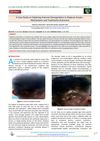 July 2025 in “International Journal of Pharmaceutical Sciences Review and Research”
 Individualized treatment and psychological support improved the patient's quality of life and appearance despite medication side effects.
 July 2025 in “International Journal of Dermatology Venereology and Leprosy Sciences”
 Higher stress levels may worsen alopecia areata, suggesting stress management is important for treatment.
Herbal therapies for alopecia show promise but need more research for safety and effectiveness.
 October 2024 in “Journal of Education Health and Sport”
 Alopecia areata treatment should be personalized, using topical or systemic therapies based on severity, with promising options like JAK inhibitors needing more research.
 February 2024 in “International neuropsychiatric disease journal”
 Alopecia areata severely impacts quality of life, mental health, and work productivity.
 February 2024 in “Sohag Medical Journal”
 Various local treatments for alopecia areata show promise, but individualized plans and more research are needed.
 January 2024 in “Annals of Dermatology”
 DPCP immunotherapy is effective for alopecia areata, and understanding influencing factors can improve treatment and satisfaction.
 December 2023 in “Dermatology and therapy”
 Japanese patients and physicians often disagree on the severity of Alopecia Areata and treatment satisfaction, needing better communication and treatments.
 December 2023 in “EPRA international journal of multidisciplinary research”
 Alopecia areata causes sudden hair loss, has genetic links, and can be managed but not cured.
 June 2023 in “International Journal of Clinical Research and Reports”
 Method B with propylene glycol is better for stable low-concentration DPCP solutions for alopecia areata.
 June 2023 in “Dermatology and therapy”
 The Middle East and Africa need better data, treatment consensus, and support for Alopecia Areata.
 July 2021 in “International journal of dermatology, venereology and leprosy sciences”
 Diphenylcyclopropenone is more effective and has fewer side effects than dinitrochlorobenzene for treating alopecia areata.
 January 2021 in “Online Publication Service of Würzburg University (Würzburg University)”
 Diphenylcyclopropenon treatment for Alopecia areata is effective and safe, improving patients' quality of life.
 June 2019 in “Journal of evolution of medical and dental sciences”
 Dermoscopy is useful for tracking alopecia areata treatment, with yellow dots and new vellus hairs being good indicators of hair regrowth.
 October 2018 in “Springer eBooks”
 The document concludes that various hair disorders have different treatments, including medication, surgery, and addressing underlying causes.
 January 2018 in “Elsevier eBooks”
 The document concludes that alopecia has various forms, each with specific treatments, but no definitive cure for certain types like CCCA has been proven.
 December 2016 in “John Wiley & Sons, Ltd eBooks”
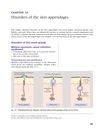
 The document concludes that proper recognition and treatment of skin appendage disorders are important for management.
 January 2016 in “Journal of The Korean Medical Association”
 The document says how to diagnose and treat hair loss from alopecia areata, but there's no cure and treatments vary.
 January 2015 in “Journal of evolution of medical and dental sciences”
 Topical tacrolimus is effective and safe for treating alopecia areata.
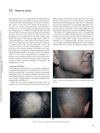 April 2012 in “Informa Healthcare eBooks”
 Alopecia areata is a common autoimmune condition causing varying hair loss, diagnosed by specific patterns of inflammation around hair follicles, with several treatment options available.
 September 2003 in “Clinics in Family Practice”
 Different hair diseases affect people during childbearing years, with treatments ranging from medication to psychological support.
 May 2003 in “Facial Plastic Surgery Clinics of North America”
 Hair loss can be treated with medications like minoxidil and finasteride or surgery, but treatment effectiveness varies by alopecia type and accurate diagnosis is important.