 42 citations
,
November 2004 in “Paediatric Respiratory Reviews”
42 citations
,
November 2004 in “Paediatric Respiratory Reviews” Children generally have milder SARS symptoms than adults, with good outcomes and no deaths reported, but long-term effects are unclear.
 14 citations
,
April 2019 in “The Ukrainian Biochemical Journal”
14 citations
,
April 2019 in “The Ukrainian Biochemical Journal” A simple method was developed to prepare concentrated platelet-rich plasma for use in healing and tissue repair.
 March 2019 in “Journal der Deutschen Dermatologischen Gesellschaft”
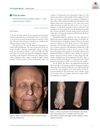
 Rothmund-Thomson syndrome type 2 can cause chronic, poorly healing wounds.
Loss of the p53 gene alone causes tumors, and losing both p53 and Rb genes speeds up aggressive skin cancer.
 33 citations
,
May 2006 in “Journal of Investigative Dermatology”
33 citations
,
May 2006 in “Journal of Investigative Dermatology” PTHrP and its receptor can control blood vessel growth and hair development in mouse skin.
 March 2026 in “Journal of Ovarian Research”
 PRP may help improve ovarian function, but more research is needed for consistent results.
 2 citations
,
June 2020 in “Research Square (Research Square)”
2 citations
,
June 2020 in “Research Square (Research Square)” A prostate cancer drug can lower the levels of a protein that the coronavirus uses to enter lung cells.
July 2026 in “Journal of Enzyme Inhibition and Medicinal Chemistry” Improved CRBN ligands make protein degraders more effective and drug-like.
PTHrP is important for bone formation and may be targeted for osteoporosis treatment and longevity therapies.
The conclusion is that a treatment called cp-asiAR can reduce hair loss and promote hair growth, making it a potential new therapy for androgenetic alopecia.
46 citations
,
July 2010 in “Advances in Therapy” SPET-085 effectively inhibits an enzyme linked to prostate issues, similar to finasteride.
April 2020 in “The FASEB Journal” Loss of Rap1 protein speeds up heart aging in mice.
November 2025 in “OPAL (Open@LaTrobe) (La Trobe University)” A new method helps find proteins in hair to identify fetal growth issues.
3 citations
,
November 2016 in “Journal of Pakistan Association of Dermatology” PRP is a safe and effective treatment for limited alopecia areata.
December 2022 in “Plastic and Reconstructive Surgery” PRPF is a safer and more effective treatment for hair loss than PRP.

PRP therapy safely stimulates hair growth, especially for early hair loss, with noticeable results after several sessions.
 November 2022 in “Journal of Investigative Dermatology”
 Blocking mTORC1 activity could increase hair pigmentation and potentially reverse greying.
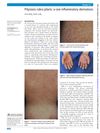 February 2018 in “BMJ case reports”
 An 18-year-old woman was diagnosed with a rare skin condition called Pityriasis rubra pilaris.
July 2022 in “Journal of Investigative Dermatology” TRPS1 loss in balding scalp areas contributes to hair loss in androgenic alopecia.
1 citations
,
November 2024 in “Revista Foco” PRP effectively and safely reduces wrinkles and rejuvenates skin.
November 2025 in “SKIN The Journal of Cutaneous Medicine” Ritlecitinib is generally safe for adolescents with alopecia areata over 5 years.
 December 2022 in “Acta Ophthalmologica”
 Dutasteride potentially improves cell survival and reduces retinal damage in retinitis pigmentosa.
 January 2020 in “bioRxiv (Cold Spring Harbor Laboratory)”
 Certain genetic variants in ERN1, TACR3, and SPPL2C are linked to when Alzheimer's disease starts.
 January 2018 in “Journal of dermatological research”
 The document suggests a clinical trial to accurately determine if PRP is an effective treatment for a common type of hair loss in men.
8 citations
,
June 2004 in “Journal of Investigative Dermatology” Certain peptides can prevent hair loss in young rats caused by a cancer drug.
October 2014 in “Cancer research” Blocking mTORC1 reduces skin tumor growth in mice.
January 2016 in “Zurich Open Repository and Archive (University of Zurich)” Dietary L-serine supplementation can reduce symptoms of HSAN1 by lowering harmful 1-deoxySL levels.
5 citations
,
June 2011 in “InTech eBooks” High S100B protein levels indicate poor survival in advanced melanoma.
1 citations
,
February 2025 in “Journal of Dairy Science” The SLICK1 allele in Holstein heifers affects hair and immune traits without altering prolactin signaling.
 35 citations
,
January 2013 in “The Journal of experimental medicine/The journal of experimental medicine”
35 citations
,
January 2013 in “The Journal of experimental medicine/The journal of experimental medicine” CD98hc's role in skin health decreases with age.