 256 citations
,
October 2013 in “Nature Communications”
256 citations
,
October 2013 in “Nature Communications” Bioengineered lacrimal glands can restore tear production and protect eyes.
 253 citations
,
March 1994 in “Developmental dynamics”
253 citations
,
March 1994 in “Developmental dynamics” Apoptosis is essential for human skin development and forming a functional epidermis.
 252 citations
,
February 2018 in “npj Regenerative Medicine”
252 citations
,
February 2018 in “npj Regenerative Medicine” Understanding different species' regeneration can improve mammalian healing.
 248 citations
,
November 2011 in “The EMBO Journal”
248 citations
,
November 2011 in “The EMBO Journal” Wnt1/βcatenin signaling is crucial for heart repair after injury.
 248 citations
,
December 2011 in “Journal of Neuroscience”
248 citations
,
December 2011 in “Journal of Neuroscience” Neurosteroids are crucial for stress response, and targeting specific receptors may help treat certain disorders.
 245 citations
,
January 2018 in “Bone Research”
245 citations
,
January 2018 in “Bone Research” TGF-β is crucial for tissue repair and can cause diseases if not properly regulated.
 245 citations
,
January 1998 in “Genes & Development”
245 citations
,
January 1998 in “Genes & Development” Hoxc13 gene is essential for hair, nail, and papilla development.
 237 citations
,
February 2016 in “Science Translational Medicine”
237 citations
,
February 2016 in “Science Translational Medicine” The timing of when the gene Bmal1 is active affects aging and survival, with its absence during development, not adulthood, leading to premature aging.
 233 citations
,
February 2018 in “Polymers”
233 citations
,
February 2018 in “Polymers” Chitin and chitosan are useful in cosmetics for oral care, haircare, and skincare, including UV protection and strength improvement.
 232 citations
,
June 2012 in “Cold Spring Harbor Perspectives in Biology”
232 citations
,
June 2012 in “Cold Spring Harbor Perspectives in Biology” Wnt signaling helps heal injuries and could lead to new treatments.
 227 citations
,
January 1998 in “Journal of Endocrinology”
227 citations
,
January 1998 in “Journal of Endocrinology” Cells from balding scalps have more androgen receptors than cells from non-balding scalps.
 218 citations
,
April 2012 in “British Journal of Dermatology”
218 citations
,
April 2012 in “British Journal of Dermatology” Guidelines suggest various treatments for alopecia areata, but leaving it untreated is also an option as 80% cases may recover on their own.
 212 citations
,
September 2015 in “Journal of Investigative Dermatology”
212 citations
,
September 2015 in “Journal of Investigative Dermatology” The document provides a method to classify human hair growth stages using a model with human scalp on mice, aiming to standardize hair research.
 208 citations
,
January 2013 in “Lab on a Chip”
208 citations
,
January 2013 in “Lab on a Chip” The Multi-Organ-Chip improves the growth and quality of skin and hair in the lab, potentially replacing animal testing.
 205 citations
,
April 2013 in “British Journal of Dermatology”
205 citations
,
April 2013 in “British Journal of Dermatology” Platelet-rich plasma treatment significantly increased hair regrowth and decreased discomfort in alopecia patients, making it a potentially better and safer treatment option.
 205 citations
,
April 2005 in “Journal of Investigative Dermatology”
205 citations
,
April 2005 in “Journal of Investigative Dermatology” Scientists have found a way to create hair follicles from skin cells of newborn mice, which can grow and cycle naturally when injected into adult mouse skin.
 202 citations
,
August 2017 in “Nature cell biology”
202 citations
,
August 2017 in “Nature cell biology” Lactate production is important for activating hair growth stem cells.
 202 citations
,
August 2007 in “Biomaterials”
202 citations
,
August 2007 in “Biomaterials” Artificial skin development has challenges, but new materials and understanding cell behavior could improve tissue repair. Also, certain growth factors and hydrogel technology show promise for advanced skin replacement therapies.
 193 citations
,
February 2015 in “Nature Communications”
193 citations
,
February 2015 in “Nature Communications” Fungi-produced compounds can change plant root growth.
 187 citations
,
December 2005 in “Experimental Dermatology”
187 citations
,
December 2005 in “Experimental Dermatology” Estrogens can improve skin aging but carry risks; more research is needed on safer treatments.
 184 citations
,
December 2018 in “Nature Communications”
184 citations
,
December 2018 in “Nature Communications” Researchers created human hair follicles using a new method that could help treat hair loss.
 184 citations
,
September 2006 in “PLoS Genetics”
184 citations
,
September 2006 in “PLoS Genetics” The Apc gene is crucial for normal skin and thymus development.
 179 citations
,
April 2012 in “Nature Communications”
179 citations
,
April 2012 in “Nature Communications” Regenerated fully functional hair follicles using stem cells, with potential for hair regrowth therapy.
 175 citations
,
December 2014 in “PLoS Biology”
175 citations
,
December 2014 in “PLoS Biology” Macrophages help activate hair follicle stem cells, affecting hair growth and skin repair.
 174 citations
,
November 2016 in “Cell stem cell”
174 citations
,
November 2016 in “Cell stem cell” Different types of skin cells have unique genetic markers that affect how likely they are to spread cancer.
 174 citations
,
April 2005 in “The American journal of pathology (Print)”
174 citations
,
April 2005 in “The American journal of pathology (Print)” Capsaicin, found in chili peppers, can slow down hair growth by affecting skin cells and hair follicles.
 169 citations
,
June 2010 in “Molecular & cellular proteomics”
169 citations
,
June 2010 in “Molecular & cellular proteomics” Pectin biosynthesis is essential for the growth of cotton fibers and Arabidopsis root hairs.
 165 citations
,
February 2014 in “Phytotherapy Research”
165 citations
,
February 2014 in “Phytotherapy Research” Myrtle has various health benefits and potential for medicine development.
 162 citations
,
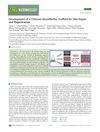
July 2011 in “Biomacromolecules”
162 citations
,
July 2011 in “Biomacromolecules” Chitosan nanofiber scaffolds improve skin healing and are promising for wound treatment.
 160 citations
,
April 2012 in “Journal of Cellular and Molecular Medicine”
160 citations
,
April 2012 in “Journal of Cellular and Molecular Medicine” Telocytes might help with skin repair and regeneration.