8 citations
,
March 2001 in “PubMed” A man developed recurring scalp inflammation and hair loss after a head injury.
1 citations
,
January 2024 in “Surgical & Cosmetic Dermatology” Botulinum toxin A helped a patient recover from dissecting folliculitis when antibiotics failed.
 20 citations
,
March 2023 in “Drug Delivery and Translational Research”
20 citations
,
March 2023 in “Drug Delivery and Translational Research” The new gel effectively treats MRSA-infected wounds for longer.
 3 citations
,
January 2024 in “Cureus”
3 citations
,
January 2024 in “Cureus” Folliculitis decalvans was successfully treated with doxycycline and ozenoxacin.
3 citations
,
January 2018 Bacterial skin diseases in camelids are often caused by moisture, trauma, and infections.
 April 2018 in “Journal of Investigative Dermatology”
 Blocking α-toxin helps heal Staphylococcus aureus-infected wounds faster in both normal and diabetic mice, with different effects on their immune responses.

Steatocystomas are harmless skin cysts that can vary in size and may sometimes cause itching or pain.
 January 2025 in “Annals of Dermatology”
 PCA patients have more harmful bacteria and antibiotic resistance, needing specific testing for treatment.
Isotretinoin effectively improved severe pityriasis rubra pilaris with complications.
December 2013 in “American journal of transplantation” The patient improved after antiviral treatment for a viral infection.
 8 citations
,
April 2015 in “Transboundary and Emerging Diseases”
8 citations
,
April 2015 in “Transboundary and Emerging Diseases” A hospital outbreak of catheter infections in calves was caused by a bacteria from a beef herd, leading to longer hospital stays, more drug use, and calf deaths.
2 citations
,
November 2025 in “International Journal of Molecular Sciences” Balancing good and harmful microbes is key to healing chronic wounds.
13 citations
,
June 2011 in “PubMed” The patient improved significantly after treatment, with only one small scar remaining.
29 citations
,
January 2005 in “Journal of Long-Term Effects of Medical Implants” Nonbullous impetigo is the most common bacterial skin infection in children, often needing treatment to prevent complications.
April 2023 in “Journal of Investigative Dermatology” Staphylococcus epidermidis affects hair growth and metabolism, suggesting it could help manage hair growth issues.

Enterococcus faecalis delays wound healing by disrupting cell functions and creating an anti-inflammatory environment.
1 citations
,
August 2022 in “American Journal of Tropical Medicine and Hygiene” Scalp abscesses can occur after hair loss treatments and may be caused by Mycobacterium abscessus.
365 citations
,
November 2018 in “Journal of Allergy and Clinical Immunology” People with atopic dermatitis have different skin bacteria, and targeting these bacteria might help treat the condition.
 April 2019 in “Journal of the Dermatology Nurses’ Association”
 A 37-year-old man with hair loss and skin issues was successfully treated with oral antibiotics, highlighting the need for early treatment. Long-term care includes low-dose antibiotics and avoiding caps and wigs.
 5 citations
,
July 2018 in “The Egyptian Journal of Hospital Medicine”
5 citations
,
July 2018 in “The Egyptian Journal of Hospital Medicine” The conclusion is that antibiotics are not the best acne treatment and early treatment is important to prevent scarring, especially for those with a family history of acne.
1 citations
,
April 2022 in “Frontiers in Microbiology” Amputation stump skin disease worsens life quality, especially in men during summer, and long prosthesis use increases fungal infection risk.
9 citations
,
January 2004 in “Journal of dermatological treatment” Rifampicin effectively treated tufted hair folliculitis with no relapse after one year.
10 citations
,
May 1991 in “Journal of the American Academy of Dermatology” 2 citations
,
December 2023 in “International journal of molecular sciences” Wound healing is greatly affected by the types of bacteria present, which can either help or hinder the process.
October 2010 in “EUR Research Repository (Erasmus University Rotterdam)” A fungal skin infection was successfully treated with medication and compression therapy.
 June 2025 in “SAS Journal of Medicine”
 Early diagnosis of tufted hair is crucial for managing folliculitis decalvans, a chronic scalp condition.
 14 citations
,
November 1987 in “Journal of The American Academy of Dermatology”
14 citations
,
November 1987 in “Journal of The American Academy of Dermatology” A woman developed a severe skin reaction called toxic epidermal necrolysis after taking the antibiotic cephalexin.
 14 citations
,
September 2009 in “International Journal of Dermatology”
14 citations
,
September 2009 in “International Journal of Dermatology” DCPA is a chronic leg infection often related to Staphylococcus aureus, affecting mostly young men in India.
 1 citations
,
June 2018 in “The Journal of Dermatology”
1 citations
,
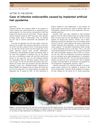
June 2018 in “The Journal of Dermatology” A man got heart infection from scalp infection caused by artificial hair implants.
 66 citations
,
October 1984 in “Annual Review of Microbiology”
66 citations
,
October 1984 in “Annual Review of Microbiology” Toxic Shock Syndrome cases increased due to new factors, but decreased with public health measures and changes in tampon use.