 April 2025 in “Al-Rafidain Journal of Medical Sciences ( ISSN 2789-3219 )”
 Cuscuta reflexa extract may help treat benign prostatic hyperplasia by reducing inflammation and oxidative stress.
 March 2025 in “International Journal of Pharmaceutical Research and Applications”
 A multidisciplinary approach is key to delaying aging and preventing age-related diseases.
 February 2025 in “Theranostics”
 3D bioprinting with special hydrogels can create artificial skin that heals wounds and regrows hair in mice.
 January 2025 in “Repository of the Academy's Library (Library of the Hungarian Academy of Sciences)”
 Nucleic acids trigger chemokine production in skin cells, affecting skin inflammation.
 January 2025 in “Universidad de Córdoba Insitutional Repository (Universidad de Córdoba)”
 An imbalanced scalp microbiome may worsen alopecia areata severity and inflammation, but treatment can partially restore balance.
 December 2024 in “Journal of Population Therapeutics and Clinical Pharmacology”
 Psoriasis worsens in winter in India due to less sunlight and dry skin, needing personalized treatment.
Hit15 shows promise as a COVID-19 treatment by reducing virus infection and inflammation.
 October 2024 in “Journal of Education Health and Sport”
 Alopecia areata treatment should be personalized, using topical or systemic therapies based on severity, with promising options like JAK inhibitors needing more research.
 August 2024 in “Qucosa (Saxon State and University Library Dresden)”
 White fat tissue in the skin helps control inflammation by affecting certain immune cells.
 July 2024 in “Journal of Dermatology Research Reviews & Reports”
 Stem cell therapy shows promise for treating hair loss by promoting hair growth.
 April 2024 in “Bioscience trends”
 Higher levels of certain DNAs in blood may indicate hair follicle damage in alopecia areata patients.
 April 2024 in “Journal of cancer research and clinical oncology”
 Tissue-derived extracellular vesicles are crucial for cancer diagnosis, prognosis, and treatment.
 March 2024 in “PLoS medicine”
 Physical activity, height, and smoking affect prostate cancer risk.
 February 2024 in “Sohag Medical Journal”
 Various local treatments for alopecia areata show promise, but individualized plans and more research are needed.
 January 2024 in “Biological & clinical sciences research journal”
 Apigenin, found in plants and vegetables, has many health benefits, including anti-inflammatory, antioxidant, and anticancer effects.
Dutasteride is more effective and better tolerated than finasteride for hair loss treatment.
 January 2024 in “International Journal of Dermatology Venereology and Leprosy Sciences”
 Tofacitinib may be safe and effective for treating certain skin conditions in children.
 December 2023 in “bioRxiv (Cold Spring Harbor Laboratory)”
 Aged individuals heal wounds less effectively due to specific immune cell issues.
 December 2023 in “bioRxiv (Cold Spring Harbor Laboratory)”
 Different types of inactive melanocyte stem cells exist with unique characteristics and potential to develop into other cells.
 December 2023 in “EPRA international journal of multidisciplinary research”
 Alopecia areata causes sudden hair loss, has genetic links, and can be managed but not cured.
 November 2023 in “Frontiers in pharmacology”
 Drug repositioning offers hope for new, affordable treatments for a genetic skin disorder called ARCI.
 October 2023 in “Biomedical science and engineering”
 Innovative methods are reducing animal testing and improving biomedical research.
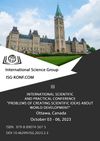
The conference emphasized innovative solutions for global challenges, including disaster architecture, education, health, and economic impacts.
Continuous research and innovative strategies are essential for sustainable development.
 July 2023 in “The Egyptian Journal of Hospital Medicine ”
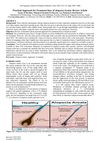
 The conclusion is that emotional support and a variety of treatments are important for alopecia areata, but more research is needed.

There are many treatments for common hair loss, but more trials are needed to decide which are best.
 April 2023 in “Medizinische Genetik”
 New research has found 14 genes linked to the risk of developing alopecia areata, improving understanding and treatment options.
 January 2023 in “bioRxiv (Cold Spring Harbor Laboratory)”
 Newly born mesenchymal cells quickly spread out in response to tissue tension during early development.
 December 2022 in “International Journal of Advanced Research in Science Communication and Technology”
 Plant-based medicines can effectively prevent and treat cancer with fewer side effects.
 November 2022 in “CARDIOMETRY”
 A group has developed therapies that show promise for treating cancer and various other conditions.