 September 2023 in “Dermatology and therapy”
 Ritlecitinib effectively improves hair growth in alopecia areata patients, regardless of hair loss pattern.
 February 2024 in “Future science OA”
 Loss of the Y chromosome and UTY gene activity increases cancer risk in men.
June 2025 in “Journal of Kufa for Chemical Sciences” 3βHSD2 is not useful for diagnosing PCOS.
2 citations
,
June 2023 in “Clinical and Experimental Neuroimmunology” Thymoma may link myasthenia gravis, nail dystrophy, and alopecia areata.
April 2011 in “www.virtualization.info” Early diagnosis of trachyonychia improves treatment and reduces psychological and cosmetic issues.
2 citations
,
September 2024 in “PLoS ONE” Bendamustine combined with tucidinostat may effectively treat adult T-cell leukemia.
 August 2016 in “Journal of Investigative Dermatology”
  June 2026 in “Journal of health economics and outcomes research”
 Ritlecitinib is more effective and cheaper than baricitinib for treating severe alopecia areata.
February 2026 in “International Journal of Dermatology” Ritlecitinib shows promise in improving hair regrowth in adolescents with alopecia areata.
 1 citations
,
May 2025 in “International Journal of Impotence Research”
1 citations
,
May 2025 in “International Journal of Impotence Research” Older age and low testosterone increase the risk of kidney stones in men.
5 citations
,
July 1996 in “Journal of Cutaneous Medicine and Surgery” TTD patients don't have a higher skin cancer risk because their main issue is with transcription, not DNA repair.
13 citations
,
July 2012 in “International Journal of Trichology” TTD symptoms vary widely, requiring thorough evaluations.
January 2026 in “Molecules” A new perming method is less damaging to hair and works as well as traditional methods.
 47 citations
,
April 2012 in “The Plant Journal”
47 citations
,
April 2012 in “The Plant Journal” Phosphorylation of certain parts of the PIN3 protein is crucial for its role in plant root growth and response to gravity.
 4 citations
,
March 2018 in “Journal of labelled compounds & radiopharmaceuticals”
4 citations
,
March 2018 in “Journal of labelled compounds & radiopharmaceuticals” A new compound was effective for imaging prostate cancer in rats.
June 2026 in “The Journal of Sexual Medicine” Rare seminoma found in a 33-year-old woman with atypical genitalia and no Y chromosome.
12 citations
,
June 2016 in “Clinical and experimental dermatology” A new genetic mutation in the TRPV3 gene causes Olmsted-like syndrome in a Mongolian family.
 December 2013 in “Appetite”
 A defective gene causes hair loss and taste insensitivity in BTBR mice.
11 citations
,
December 2002 in “Controlled Clinical Trials” Simple methods using DHT levels effectively assess compliance.
179 citations
,
May 1982 in “The Journal of clinical investigation/The journal of clinical investigation” High levels of 3 alpha-diol glucuronide in the blood are a marker of increased androgen action in women with excessive hair growth of unknown cause.
 September 2025 in “JAAD International”
 Thrice-weekly dutasteride improved hair density and thickness more than twice-weekly, but not hair count compared to daily finasteride.
227 citations
,
April 2023 in “The Lancet” Ritlecitinib effectively treats alopecia areata and is well-tolerated.
October 2012 in “Sax's Dangerous Properties of Industrial Materials”  January 2025 in “Journal of the European Academy of Dermatology and Venereology”
 Trichophyton mentagrophytes genotype VII is a sexually transmitted fungus causing skin issues, mainly among men who have sex with men in Europe, and requires quick treatment.
 1 citations
,
July 2025 in “SKIN The Journal of Cutaneous Medicine”
1 citations
,
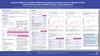
July 2025 in “SKIN The Journal of Cutaneous Medicine” Ritlecitinib is effective and safe for long-term treatment of alopecia areata.
May 2020 in “The Journal of Urology”  September 2022 in “Piretc”
 The document's conclusion cannot be provided because the document is not accessible or understandable.
4 citations
,
March 2025 in “The Journal of Dermatology” Ritlecitinib is effective and safe for hair regrowth in Asian patients with alopecia areata.
 February 2025 in “PubMed”
 CS12192 effectively treats alopecia areata with better safety than current options.
July 2023 in “Zenodo (CERN European Organization for Nuclear Research)”