4 citations
,
November 1968 in “Textile research journal” Hair fibers may have a unique, non-protein sheath not previously identified.
October 2020 in “Tierärztliche Praxis. Ausgabe Grosstiere, Nutztiere” Cows moving from tie-stalls to free-stalls had fewer leg injuries but more stress and heel horn erosions.
January 2025 in “Journal of Medicinal Food” Soybean extract may help hair growth in testosterone-related hair loss.
June 2010 in “Melanoma research” LDE225 is a promising skin-applied treatment for basal cell carcinoma with good skin penetration and effectiveness.
Restolin Hair Supplement may help hair growth but lacks FDA approval and clinical trial evidence.
20 citations
,
July 1988 in “Clinics in dermatology” Thioglycolate lotions are the most popular method for permanent waving and hair straightening.
75 citations
,
August 2006 in “International Journal of Pharmaceutics” The eucalyptus oil system improved skin delivery of hormones, but safety concerns remain.
129 citations
,
January 2004 in “Journal of medicinal chemistry” Researchers developed new compounds that target the androgen receptor effectively with fewer side effects.
1 citations
,
January 2019 in “Archives of Clinical and Medical Case Reports” Changing hair's surface and structure can help protect its natural oils from being washed away.
36 citations
,
July 2017 in “Journal of controlled release” A new method allows for controlled, long-lasting delivery of retinoic acid through the skin with fewer side effects.
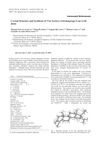
January 2004 in “Analytical Sciences: X-ray Structure Analysis Online” The document explains how to make a compound called 3.BETA.-Benzoyloxy-4-pregnen-16.ALPHA.,17.ALPHA.-epoxy-6,20-dione and describes its crystal structure.
30 citations
,
December 1999 in “Journal of Investigative Dermatology Symposium Proceedings” Steroids, particularly estrogens and 5α-reductase inhibitors, affect blood vessel-related hair growth processes in hair follicle cells.
252 citations
,
January 1991 in “Electron Microscopy Reviews” 43 citations
,
January 2016 in “Oxidative medicine and cellular longevity” THSG from a Chinese plant helps with aging and related diseases.
28 citations
,
September 2021 in “EMBO reports” Osthole inhibits the TRPV3 channel by binding to specific sites, potentially aiding drug development for skin diseases and cancers.
9 citations
,
April 2019 in “International Journal of Molecular Sciences” Kojyl cinnamate ester derivatives can promote hair growth by increasing adiponectin production in fat tissues.
12 citations
,
July 2017 in “International Journal of Cosmetic Science” N‐AOHPA is a promising alternative to traditional surfactants for better hair conditioning.
39 citations
,
January 1979 in “Journal of the Society of Cosmetic Scientists of Korea” Surfactants can protect or harm hair, skin, and nails, depending on their type and use.
42 citations
,
August 1987 in “Archives of Dermatology” Squaric acid dibutylester led to complete hair regrowth in 28.5% of patients with alopecia areata.
January 2024 in “International Journal of Cosmetic Science” A new method using 1,4-n-butylene dimaleate effectively repairs and strengthens damaged hair.
76 citations
,
January 2017 in “World Journal of Stem Cells” Fat tissue cells are a promising option for healing various diseases, but more research is needed to ensure they are safe and effective.
September 2011 in “Clinical Biochemistry” Glycoconjugates help heal hair follicles during skin repair.
1 citations
,
October 2018 in “InTech eBooks” Ethosomes are a promising method for treating hair loss by delivering drugs directly to the scalp.
January 2024 in “Biology of sex differences” Dihydrotestosterone makes arteries stiffer in female mice by reducing estrogen receptor expression.
2 citations
,
September 2023 in “Foods” Microcapsules and effervescent tablets make insect lipids easier to consume.
24 citations
,
November 2015 in “Experimental Cell Research” Sebum from sebocytes is important for skin health and linked to conditions like acne and hair loss.
1 citations
,
June 2014 in “Vìsnik farmacìï” A medicinal cosmetic product for treating Androgenetic Alopecia was developed using plant-based substances, Saw palmetto and Japanese Sophora, with pumpkin seed oil and stabilizers like Carbopol, sodium alginate, xanthan gum, Tween-20 and cetyl alcohol.
The research found that nanoparticles coated with chitosan improved the skin penetration of the drug finasteride.
August 2023 in “Journal of controlled release” STAR particles can improve the effectiveness of topical hair growth treatments without causing skin irritation.
A new method allows for controlled, long-lasting delivery of retinoic acid through the skin with less inflammation.