 24 citations
,
March 2018 in “Pigment Cell & Melanoma Research”
24 citations
,
March 2018 in “Pigment Cell & Melanoma Research” The environment around melanocyte stem cells is key for hair regeneration and color, with certain injuries affecting hair color and potential treatments for pigmentation disorders.
 14 citations
,
July 2019 in “Experimental and Molecular Medicine”
14 citations
,
July 2019 in “Experimental and Molecular Medicine” Nanog gene boosts stem cells, helps hair growth, and may treat hair loss.
 13 citations
,
January 2018 in “Cellular Physiology and Biochemistry”
13 citations
,
January 2018 in “Cellular Physiology and Biochemistry” Fat-derived stem cells can help protect and repair skin stem cells from aging caused by UV light.
 13 citations
,
December 2014 in “Stem Cells”
13 citations
,
December 2014 in “Stem Cells” Hair and skin can regenerate without bulge stem cells due to other compensating cells.
 10 citations
,
July 2021 in “Archiv für Pathologische Anatomie und Physiologie und für Klinische Medicin”
10 citations
,
July 2021 in “Archiv für Pathologische Anatomie und Physiologie und für Klinische Medicin” LRIG1 is linked to better survival in Merkel cell carcinoma.
 10 citations
,
November 2019 in “Cold Spring Harbor Perspectives in Biology”
10 citations
,
November 2019 in “Cold Spring Harbor Perspectives in Biology” Stem cells are more dynamic and adaptable than previously believed.
 7 citations
,
July 2020 in “Pigment cell & melanoma research”
7 citations
,
July 2020 in “Pigment cell & melanoma research” RT1640 treatment reverses gray hair and promotes hair growth in mice.
 2 citations
,
May 2023 in “bioRxiv (Cold Spring Harbor Laboratory)”
2 citations
,
May 2023 in “bioRxiv (Cold Spring Harbor Laboratory)” Stem cells help remove dead cells to keep tissues healthy by balancing cell replacement and clearance.
 May 2026 in “Frontiers in Cell and Developmental Biology”
 Collagen networks play a key role in hair loss and follicle miniaturization.
 April 2024 in “Cell death and differentiation”
 Cell death shapes skin stem cell environments, affecting inflammation, repair, and cancer.
 October 2023 in “bioRxiv (Cold Spring Harbor Laboratory)”
 Blocking both main energy pathways can stop hair follicle stem cell-induced skin cancer growth.
 April 2017 in “Journal of Investigative Dermatology”
 Scientists can control how skin stem cells divide by using different treatments.
 34 citations
,
June 2008 in “In vitro cellular & developmental biology. Animal”
34 citations
,
June 2008 in “In vitro cellular & developmental biology. Animal” Scientists created a long-lasting stem cell line from human hair that can turn into different skin and hair cell types.
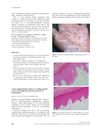 24 citations
,
September 2008 in “Clinical and experimental dermatology”
24 citations
,
September 2008 in “Clinical and experimental dermatology” Repigmentation in vitiligo may come from melanocyte stem cells in the skin.
 106 citations
,
November 2014 in “Cell Stem Cell”
106 citations
,
November 2014 in “Cell Stem Cell” New single-cell analysis techniques are improving our understanding of stem cells and could help in treating diseases.
 139 citations
,
August 2018 in “Development”
139 citations
,
August 2018 in “Development” The niche environment controls stem cell behavior and plasticity, which is important for tissue health and repair.
 82 citations
,
March 2016 in “Cell”
82 citations
,
March 2016 in “Cell” The conclusion is that tissue structure is key for stem cell communication and maintaining healthy tissues.
 18 citations
,
April 2022 in “Frontiers in bioengineering and biotechnology”
18 citations
,
April 2022 in “Frontiers in bioengineering and biotechnology” Gelatin microspheres with stem cells speed up healing in diabetic wounds.
 773 citations
,
August 2017 in “International Journal of Molecular Sciences”
773 citations
,
August 2017 in “International Journal of Molecular Sciences” The secretions of mesenchymal stem cells could be used for healing without using the cells themselves.
 305 citations
,
June 2012 in “Nature”
305 citations
,
June 2012 in “Nature” Hair regeneration needs dynamic cell behavior and mesenchyme presence for stem cell activation.
 202 citations
,
August 2017 in “Nature cell biology”
202 citations
,
August 2017 in “Nature cell biology” Lactate production is important for activating hair growth stem cells.
 106 citations
,
October 2016 in “Cell Stem Cell”
106 citations
,
October 2016 in “Cell Stem Cell” PDGFA/AKT signaling is important for the growth and maintenance of certain skin fat cells.
 80 citations
,
April 2018 in “Trends in Molecular Medicine”
80 citations
,
April 2018 in “Trends in Molecular Medicine” Lichen Planopilaris and Frontal Fibrosing Alopecia may help us understand hair follicle stem cell disorders and suggest new treatments.
 77 citations
,
March 2021 in “Nature”
77 citations
,
March 2021 in “Nature” Stress hormone corticosterone blocks a growth factor to slow down hair stem cell activity and hair growth.
 77 citations
,
July 2020 in “Cell”
77 citations
,
July 2020 in “Cell” Muscles and nerves that cause goosebumps also help control hair growth.
 74 citations
,
September 2006 in “Cell Cycle”
74 citations
,
September 2006 in “Cell Cycle” The HR protein's role as a repressor is essential for controlling hair growth.
 42 citations
,
February 2017 in “Scientific Reports”
42 citations
,
February 2017 in “Scientific Reports” Researchers found a way to create cells from stem cells that act like human cells important for hair growth and could be used for hair regeneration treatments.
 42 citations
,
May 2016 in “Annual Review of Cell and Developmental Biology”
42 citations
,
May 2016 in “Annual Review of Cell and Developmental Biology” Fat cells are important for tissue repair and stem cell support in various body parts.
 34 citations
,
April 2018 in “EMBO journal”
34 citations
,
April 2018 in “EMBO journal” The protein SLC1A3 is important for activating skin stem cells and is necessary for normal hair and skin growth in mice.
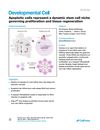 25 citations
,
June 2021 in “Developmental Cell”
25 citations
,
June 2021 in “Developmental Cell” Dying cells can help with faster healing and new hair growth by releasing a growth-promoting molecule.