 February 2025 in “Biomolecules”
 Melatonin can help or hinder hair growth depending on the dose.
 April 2023 in “The journal of investigative dermatology/Journal of investigative dermatology”
 Estetrol may help prevent hair loss and promote hair growth in women.
 2 citations
,
January 2022 in “Stem cell biology and regenerative medicine”
2 citations
,
January 2022 in “Stem cell biology and regenerative medicine” The book "Hair Follicle Regeneration" discusses the potential of regenerating human hair follicles or activating dormant ones as a possible cure for baldness, and the promising role of new technologies like 3D printing in this field.
46 citations
,
September 2023 in “Cell Reports” Sebaceous glands can regenerate after injury using stem cells from hair follicles.
 7 citations
,
January 2020 in “Nature”
7 citations
,
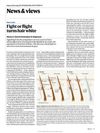
January 2020 in “Nature” Stress turns hair white by depleting color-giving cells in hair follicles through a specific neurotransmitter related to the body's stress response.
 6 citations
,
April 2010 in “Cellular Reprogramming”
6 citations
,
April 2010 in “Cellular Reprogramming” Pig skin cells can turn into mesodermal cells but lose their ability to become neural cells.
 January 2026 in “Stem Cell Reviews and Reports”
 Hair graying may help prevent cancer by protecting stem cells.
 15 citations
,
September 2007 in “Cell & tissue research/Cell and tissue research”
15 citations
,
September 2007 in “Cell & tissue research/Cell and tissue research” Embryonic and adult stem cells are valuable for improving skin grafts and cell therapy.
 137 citations
,
April 2015 in “Nature Reviews Molecular Cell Biology”
137 citations
,
April 2015 in “Nature Reviews Molecular Cell Biology” Different types of stem cells with unique roles exist in blood, skin, and intestines, and this variety is important for tissue repair.
 135 citations
,
December 2013 in “Seminars in Cell & Developmental Biology”
135 citations
,
December 2013 in “Seminars in Cell & Developmental Biology” Stem cells in the hair follicle are regulated by their surrounding environment, which is important for hair growth.
 63 citations
,
April 2010 in “Development”
63 citations
,
April 2010 in “Development” Compartmentalized organization might be crucial for stem cells to effectively respond to growth or injury.
 56 citations
,
May 2017 in “Nature Cell Biology”
56 citations
,
May 2017 in “Nature Cell Biology” Hair can regrow after certain stem cells are lost because other stem cells can take over their role.
 31 citations
,
May 2015 in “Stem Cell Reports”
31 citations
,
May 2015 in “Stem Cell Reports” Stem cells and their surrounding environment in hair follicles work closely together, affecting hair growth and having implications for cancer and tissue regeneration.
 13 citations
,
February 2010 in “Stem Cell Reviews and Reports”
13 citations
,
February 2010 in “Stem Cell Reviews and Reports” Stem cells compete for space using cell adhesion, and mutations can affect their competitive success, with implications for tissue health and disease.
 January 2006 in “Yearbook of Dermatology and Dermatologic Surgery”
 Hair graying is caused by the loss of pigment cells due to poor maintenance of stem cells in the hair follicle.
 688 citations
,
June 2007 in “Cell Stem Cell”
688 citations
,
June 2007 in “Cell Stem Cell” Removing the ATR gene in adult mice causes rapid aging and stem cell loss.
 254 citations
,
January 2012 in “Nature Reviews Molecular Cell Biology”
254 citations
,
January 2012 in “Nature Reviews Molecular Cell Biology” Stem cell offspring help control their parent stem cells, affecting tissue health, healing, and cancer.
 205 citations
,
August 2007 in “Experimental Cell Research”
205 citations
,
August 2007 in “Experimental Cell Research” Stem cell niches are crucial for regulating stem cell renewal and differentiation, and understanding them can help in developing regenerative therapies.
 129 citations
,
May 2015 in “Cell Stem Cell”
129 citations
,
May 2015 in “Cell Stem Cell” Different types of stem cells exist within individual skin layers, and they can adapt to damage, transplantation, or tumor growth. These cells are regulated by their environment and genetic factors. Tumor growth is driven by expanding, genetically altered cells, not long-lived mutant stem cells. There's evidence of cancer stem cells in skin tumors. Other cells, bacteria, and genetic factors help maintain balance and contribute to disease progression. A method for growing mini organs from single cells has been developed.
 124 citations
,
February 2018 in “Nature Reviews Genetics”
124 citations
,
February 2018 in “Nature Reviews Genetics” Stem cell plasticity is crucial for wound healing but can also contribute to cancer development.
 55 citations
,
March 2012 in “Journal of Investigative Dermatology”
55 citations
,
March 2012 in “Journal of Investigative Dermatology” Research on epidermal stem cells has advanced significantly, showing promise for improved clinical therapies.
 51 citations
,
September 2020 in “Cell Metabolism”
51 citations
,
September 2020 in “Cell Metabolism” Glutamine metabolism affects hair stem cell maintenance and their ability to change back to stem cells.
 50 citations
,
December 2013 in “Stem Cells”
50 citations
,
December 2013 in “Stem Cells” Stem cell niches are adaptable and key for tissue maintenance and repair.
 36 citations
,
September 2009 in “Journal of Cellular and Molecular Medicine”
36 citations
,
September 2009 in “Journal of Cellular and Molecular Medicine” New treatments targeting skin stem cells show promise for skin repair, anti-aging, and cancer therapy.
 26 citations
,
July 2016 in “The journal of investigative dermatology/Journal of investigative dermatology”
26 citations
,
July 2016 in “The journal of investigative dermatology/Journal of investigative dermatology” The protein Par3 is crucial for healthy skin, affecting the skin barrier, cell differentiation, and stem cell maintenance.
 24 citations
,
May 2016 in “Stem Cell Reviews and Reports”
24 citations
,
May 2016 in “Stem Cell Reviews and Reports” The document concludes that understanding how adult stem and progenitor cells move is crucial for tissue repair and developing cell therapies.
 19 citations
,
July 2018 in “Mechanisms of Ageing and Development”
19 citations
,
July 2018 in “Mechanisms of Ageing and Development” Eating less can slow aging and help keep stem cells healthy by cleaning out damaged cell parts.
 17 citations
,
March 2012 in “The Journal of Pathology”
17 citations
,
March 2012 in “The Journal of Pathology” In vivo lineage labelling is better than in vitro methods for identifying and understanding stem cells.
 16 citations
,
September 2016 in “Experimental Dermatology”
16 citations
,
September 2016 in “Experimental Dermatology” Two-photon microscopy effectively tracks live stem cell activity in mouse skin with minimal harm and clear images.
 13 citations
,
December 2014 in “Stem Cells”
13 citations
,
December 2014 in “Stem Cells” Hair and skin can regenerate without bulge stem cells due to other compensating cells.