 December 2023 in “International journal of multidisciplinary research and analysis”
 SH-MSCs gel reduced IL-6 and increased TGF-β, suggesting it could treat alopecia.
 May 2023 in “Elsevier eBooks”
 Stem cell-based therapies show promise for treating various medical conditions.
22 citations
,
November 2023 in “Clinical Cosmetic and Investigational Dermatology” Stem cell-derived therapies can help rejuvenate skin by improving wrinkles, elasticity, and pigmentation.
 19 citations
,
July 2011 in “Microscopy and Microanalysis”
19 citations
,
July 2011 in “Microscopy and Microanalysis” The hair follicle bulge is an important area for adult stem cells involved in hair growth and repair, with potential for medical use needing more research.
 September 2025 in “Digital Commons - RU (Rockefeller University)”
 Nfib in hair follicle stem cells boosts melanocyte stem cell growth and differentiation.
238 citations
,
April 2012 in “Cell stem cell” Targeting and modifying the stem cell niche can improve regenerative therapies.
 150 citations
,
December 2012 in “EMBO Reports”
150 citations
,
December 2012 in “EMBO Reports” Stem cell self-renewal is complex and needs more research for full understanding.
 132 citations
,
January 2017 in “International Journal of Molecular Sciences”
132 citations
,
January 2017 in “International Journal of Molecular Sciences” Fat-derived stem cells show promise for skin repair and reducing aging signs but need more research for consistent results.
 91 citations
,
December 2010 in “Stem Cells”
91 citations
,
December 2010 in “Stem Cells” Wnt signaling helps control how brain stem cells divide and is important for brain repair after injury.
 11 citations
,
July 2016 in “Current Opinion in Cell Biology”
11 citations
,
July 2016 in “Current Opinion in Cell Biology” New techniques have enhanced our understanding of how stem cells function and the role of mutations in aging tissues, which may influence future cancer therapies.
 3 citations
,
May 2019 in “Cytotherapy”
3 citations
,
May 2019 in “Cytotherapy” ATIR101 improves survival in stem cell transplant patients; Australian stem cell treatment decisions are influenced by regulation changes.
 26 citations
,
July 2012 in “Biochimica et Biophysica Acta (BBA) - General Subjects”
26 citations
,
July 2012 in “Biochimica et Biophysica Acta (BBA) - General Subjects” The review found that different stem cell types in the skin are crucial for repair and could help treat skin diseases and cancer.
 21 citations
,
October 2009 in “Biochemical Engineering Journal”
21 citations
,
October 2009 in “Biochemical Engineering Journal” Stem cell therapy is a promising approach for hair regrowth despite potential side effects.
 6 citations
,
September 2007 in “PubMed”
6 citations
,
September 2007 in “PubMed” Stem cell niches regulate the number and function of stem cells in the body.
January 2025 in “Health engineering.” Combining stem cells and organoids could improve skin regeneration treatments.
 333 citations
,
February 2010 in “Cell Stem Cell”
333 citations
,
February 2010 in “Cell Stem Cell” Stem cell niches are crucial for regulating stem cell behavior and tissue health, and their decline can impact aging and cancer.
 149 citations
,
July 2014 in “Cold Spring Harbor Perspectives in Medicine”
149 citations
,
July 2014 in “Cold Spring Harbor Perspectives in Medicine” The dermal papilla is crucial for hair growth and health, and understanding it could lead to new hair loss treatments.
64 citations
,
January 2009 in “The International journal of developmental biology” Hair follicle stem cells are controlled by their surrounding environment.
 42 citations
,
February 2016 in “Science”
42 citations
,
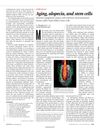
February 2016 in “Science” The document concludes that both internal stem cell factors and external influences like the environment and hormones affect hair loss and aging, with potential treatments focusing on these areas.
33 citations
,
March 2018 in “Trends in cell biology” Metabolism plays a key role in determining stem cell fate.
25 citations
,
February 2024 in “Biomaterials” Stem cell-derived organoids can improve skin healing.
 17 citations
,
December 2014 in “Cell Stem Cell”
17 citations
,
December 2014 in “Cell Stem Cell” Intravital imaging helps us better understand stem cells in their natural environment and could improve knowledge of organ regeneration and cancer development.
12 citations
,
March 2021 in “Regenerative Engineering and Translational Medicine” Exosomes from stem cells might help treat hair loss.
8 citations
,
January 2014 in “Journal of Stem Cell Research & Therapy” Stem cell therapy improves healing and reduces pain in cutaneous radiation syndrome.
7 citations
,
May 2022 in “Frontiers in Cell and Developmental Biology” Epigenetic and metabolic changes affect stem cell function and aging in skin.
May 2026 in “Science Advances” Caloric stress and differentiation increase IRES translation, affecting stem cell function and potential therapies.
 April 2026 in “Microsystems & Nanoengineering”
 HA-gel-dex hydrogels help heal wounds and regenerate tissue effectively.
April 2026 in “Journal of Cosmetic Dermatology” Exosomes from umbilical cord stem cells help protect hair color and health under stress.
 March 2026 in “Preprints.org”
 The combined stem cell secretome in the skin care product effectively reduces inflammation and promotes tissue regeneration.
February 2025 in “Biochemistry” Stem cell therapy shows promise for treating skin disorders.