Stem cells can help heal diabetic wounds better.
January 2025 in “Stem Cells International” Epigenetic changes in skin cells contribute to aging, but targeting these changes may offer new antiaging treatments.
 December 2024 in “Highlights in Science Engineering and Technology”
 Stem cells show promise for hair regrowth, but challenges remain.
November 2024 in “Journal of Investigative Dermatology” Paclitaxel chemotherapy causes premature aging and damage to hair follicles, potentially leading to permanent hair loss.
 November 2024 in “Cells Tissues Organs”
 Stem cells from umbilical cord blood are more effective than minoxidil for treating hair loss.
 August 2024 in “Receptors”
 Vitamin D receptor is crucial for skin wound healing.
 August 2024 in “Dermatological Reviews”
 Stem cells, PRP, and exosomes show promise in treating skin conditions but face regulatory and safety challenges.
 June 2024 in “The American journal of psychiatry”
 Schizophrenia risk genes may affect early brain development, contributing to the disease.
June 2024 in “Regenerative Therapy” Exosomes from stem cells may help rejuvenate skin and regrow hair, but more research is needed.
June 2024 in “Regenerative Therapy” iPSCs show promise for hair regeneration but need more research to improve reliability and effectiveness.
 April 2024 in “Cell death and differentiation”
 Cell death shapes skin stem cell environments, affecting inflammation, repair, and cancer.
April 2024 in “Biomolecules” Exosomal miRNAs from stem cells can help improve skin health and delay aging.
 March 2024 in “Journal of Cosmetic Dermatology”
 Laser-pretreated blood for hair loss treatment was more effective and increased stem cells.
 February 2024 in “World journal of stem cells”
 Adipose-derived stem cells can help repair and improve eye tissues and appearance.
 January 2024 in “International wound journal”
 The analysis shows growing research on stem cells for wound healing, with the US and China leading, and suggests focusing on how stem cells help in wound healing.
January 2024 in “Journal of developmental biology” Abdominal skin heals faster than dorsal skin because it has more stem cells.
January 2024 in “Animals” Circular RNA ERCC6 helps activate stem cells important for cashmere goat hair growth by interacting with specific molecules in an m6A modification-dependent way.
 January 2024 in “Journal of cellular immunology”
 Hair follicle stem cells are important for maintaining healthy skin and interact with many signals.
 November 2023 in “Linköping University medical dissertations”
 Keratinocytes and adipose-derived stem cells can effectively heal difficult skin wounds.
 November 2023 in “PubMed”
 Combining stem cell-conditioned media with anti-androgen drugs can improve hair growth in male pattern baldness.
 September 2023 in “Frontiers in cell and developmental biology”
 Vav2 changes how hair follicle stem cells' genes work as they age, which might improve regeneration but also raise cancer risk.

Umbilical cord blood is a valuable source of stem cells for medical treatments, but its use is less common than other transplants, and there are ethical issues to consider.
 July 2023 in “Stem Cells Translational Medicine”
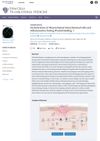
 Mesenchymal Stem/Stromal Cells (MSCs) help in wound healing and tissue regeneration, but can also contribute to tumor growth. They show promise in treating chronic wounds and certain burns, but their full healing mechanisms and potential challenges need further exploration.
July 2023 in “Journal of personalized medicine” Injecting a person's own fat stem cells into their skin can make it look younger and improve double eyelids for over a year.

Sonic hedgehog helps hair follicle stem cells grow and can effectively regenerate hair follicles.
 May 2023 in “Research Square (Research Square)”
 Blocking the HEDGEHOG-GLI1 pathway can reduce keloid growth and may be a potential treatment.
 May 2023 in “International Journal of Molecular Sciences”
 Mesenchymal stem cells could help treat radiation-induced bladder damage but more research is needed to overcome current limitations.
 May 2023 in “Research Square (Research Square)”
 Shi-Bi-Man activates hair follicle stem cells and promotes hair growth by changing lactic acid metabolism and other cellular processes.
 April 2023 in “Dermatology practical & conceptual”
 Lenalidomide helps hair follicle stem cells turn into melanocytes, which may improve repigmentation in vitiligo.
 April 2023 in “Journal of Investigative Dermatology”
 Melatonin may help prevent hair loss caused by the chemotherapy drug paclitaxel.